Definition: CBD cream for muscle pain is a topical product applied directly to areas of the body that experience soreness after physical activity. Instead of being ingested, the cream is applied to the skin to provide localized topical support.
Science Behind It: CBD interacts with the body’s endocannabinoid system, which plays a role in maintaining balance across many physiological processes. When CBD is applied topically, it interacts primarily with receptors found in the skin rather than entering the bloodstream. Because of this localized interaction, CBD cream for sore muscles is often used after workouts or physical activity as part of a recovery routine.
Examples:
- Post-Leg Day Recovery: Applying CBD cream for muscle pain to the quads or hamstrings after leg day can help support recovery following intense lower-body workouts.
- Upper Body Training Support: Using CBD for workout recovery on the shoulders and upper back may help address muscle tension after strength training sessions.
- Evening Recovery Routine: Incorporating a CBD muscle recovery cream into an evening self-care routine can help the body unwind after physically demanding workdays.
Interesting Fact: As interest in plant-based wellness continues to grow, CBD muscle recovery products have gained attention among athletes, fitness enthusiasts, and active individuals looking for topical options that can be incorporated into post-exercise recovery habits.
Key Takeaways
- Targeted Support: CBD cream for muscle pain is applied directly to specific areas for localized post-workout care.
- Routine Integration: CBD for workout recovery fits easily into daily wellness habits alongside gentle stretching and proper hydration.
- Formulas Inspired By Nature: Plant-derived CBD muscle recovery products combine hemp-based CBD with other botanical ingredients for balanced topical support.
Muscle soreness is a natural part of an active life. When you challenge your body through strength training, cardio, long physical shifts, or a new workout, small amounts of stress are placed on muscle fibers. As the body responds and repairs, tightness often follows. This is a normal part of how muscles adapt and grow stronger over time.
CBD cream for muscle pain is a topical product designed to be applied directly to those overworked areas, such as the legs, shoulders, lower back, or wherever you feel it most. Unlike ingestible CBD, a topical cream works at the skin level, interacting with receptors in the applied area rather than circulating through the body. This localized approach makes it a practical option for people looking to incorporate plant-based body care into their post-workout or end-of-day routine. When paired with hydration, stretching, and rest, it can become a simple, consistent part of a well-rounded recovery strategy.
At Earthly Body, we bring decades of experience in plant-based body care and hemp-derived wellness products. Our formulations reflect our commitment to ingredient transparency, responsible sourcing, and performance-driven results designed for everyday use. Here, we’ll walk through how CBD cream for muscle pain works, what the research suggests about topical CBD, and how to build it into your recovery routine.
What Causes Post-Workout Soreness?
Delayed onset muscle soreness (DOMS) occurs when physical activity places stress on muscle fibers. During exercise, particularly resistance training or unfamiliar movements, small amounts of microscopic damage occur in muscle tissue. As the body responds and repairs, you may experience tightness, tenderness, or stiffness typically within the first 24 hours of activity, with discomfort typically peaking at 24 to 72 hours (Hotfiel et al., 2018). This is a normal part of the adaptation process.
How CBD For Muscle Pain Works On Overworked Muscles
CBD creams are applied directly to the skin over specific areas such as the legs, shoulders, or lower back. Unlike ingestible CBD products, topical CBD does not enter the bloodstream. Instead, it interacts with receptors in the skin at the site of application. This localized approach makes CBD cream for sore muscles an appealing option for those who want focused support exactly where everyday tension is present.
The Body’s Endocannabinoid System And Topical CBD
The body contains an endocannabinoid system (ECS), which is a network of receptors involved in maintaining internal balance. Research suggests that the ECS plays a role in a range of physiological processes, and that cannabinoid receptors are present not only throughout the body but also in the skin (Bíró et al., 2009). When CBD is applied topically, it interacts with these receptors locally rather than systemically. This makes CBD for muscle pain a targeted option, distinct from ingestible or inhaled formats. To understand more about how this process works on a cellular level, see our guide on how CBD interacts with the endocannabinoid system.
Why Targeted Application Matters For Active Lifestyles
Recovery is often about precision. After strength training, long runs, or high-intensity workouts, certain muscle groups may need extra attention. Using CBD for muscle pain topically allows you to concentrate on those areas without adding complex steps to your routine. When paired with stretching, hydration, and rest, CBD muscle recovery can become a seamless part of post-workout care.
How CBD For Workout Recovery Supports Daily Movement
Recovery plays a direct role in how you feel and move from one training session to the next. Adding CBD for workout recovery to your routine can support consistency and everyday comfort between workouts. Here’s how it fits in:
- Targeted Muscle Support: CBD cream for muscle pain can be applied directly to overworked or tense areas to provide focused coverage where it’s needed.
- Easy Routine Integration: This type of topical fits wonderfully into post-workout or post-shower routines without requiring extra steps or complicated preparation.
- Complements Recovery Practices: Using a topical cream can work alongside stretching, foam rolling, and proper hydration as part of a well-rounded recovery routine.
- Supports Active Lifestyles: Many active individuals use CBD creams to help manage recurring daily tension that develops in specific muscle groups after physical activity.
- Plant-Based Topical Option: A CBD topical can also serve as a plant-based alternative for those who prefer wellness products with clearly labeled, ingredient-transparent formulations.
Choosing The Right CBD Cream For Muscle Pain
When selecting a CBD cream for muscle pain, a few key factors are worth considering. For a more detailed breakdown of what to look for before purchasing, our dedicated CBD cream buying guide is a helpful resource.
Labeled CBD Content And Ingredient Transparency
Look for clearly listed CBD milligrams per container and a transparent ingredient list. Products that are third-party tested offer an additional layer of confidence that the labeled potency is accurate. All Earthly Body CBD Daily products are third-party tested, 100% vegan, cruelty-free, and THC-free.
Texture And Format
Rich creams are well-suited for covering larger areas like the thighs, calves, or back while also providing nourishing hydration for the skin. Lighter serums or roll-ons may absorb more quickly and work well for smaller, targeted areas. Choosing a format that feels comfortable in your routine makes it easier to stay consistent.
Why CBD Cream For Sore Muscles Is A Popular Choice After Intense Training
Intense workouts can leave specific muscle groups feeling tired. CBD cream for sore muscles offers a practical, plant-based option for localized topical support that many active individuals have incorporated alongside other recovery practices.
Focused Support For High-Impact Areas
Heavy lifts, long runs, cycling sessions, or high-intensity classes often target the same muscle groups repeatedly. Applying CBD cream directly to the quads, hamstrings, shoulders, or back allows for targeted, precise application. For a deeper look at how touch and topical care can complement recovery, we recommend looking into thebenefits of a CBD massage.
A Plant-Based Addition To CBD Muscle Recovery
At Earthly Body, our topicals are formulated with hemp-derived CBD and complementary botanical ingredients that align with active lifestyles. Our approach to CBD muscle recovery supports both skin nourishment and post-workout body care in one step. Used consistently, CBD cream for sore muscles can become part of a balanced recovery plan that also includes mobility work, hydration, and rest.
Earthly Body CBD Daily Options For Post-Workout Care
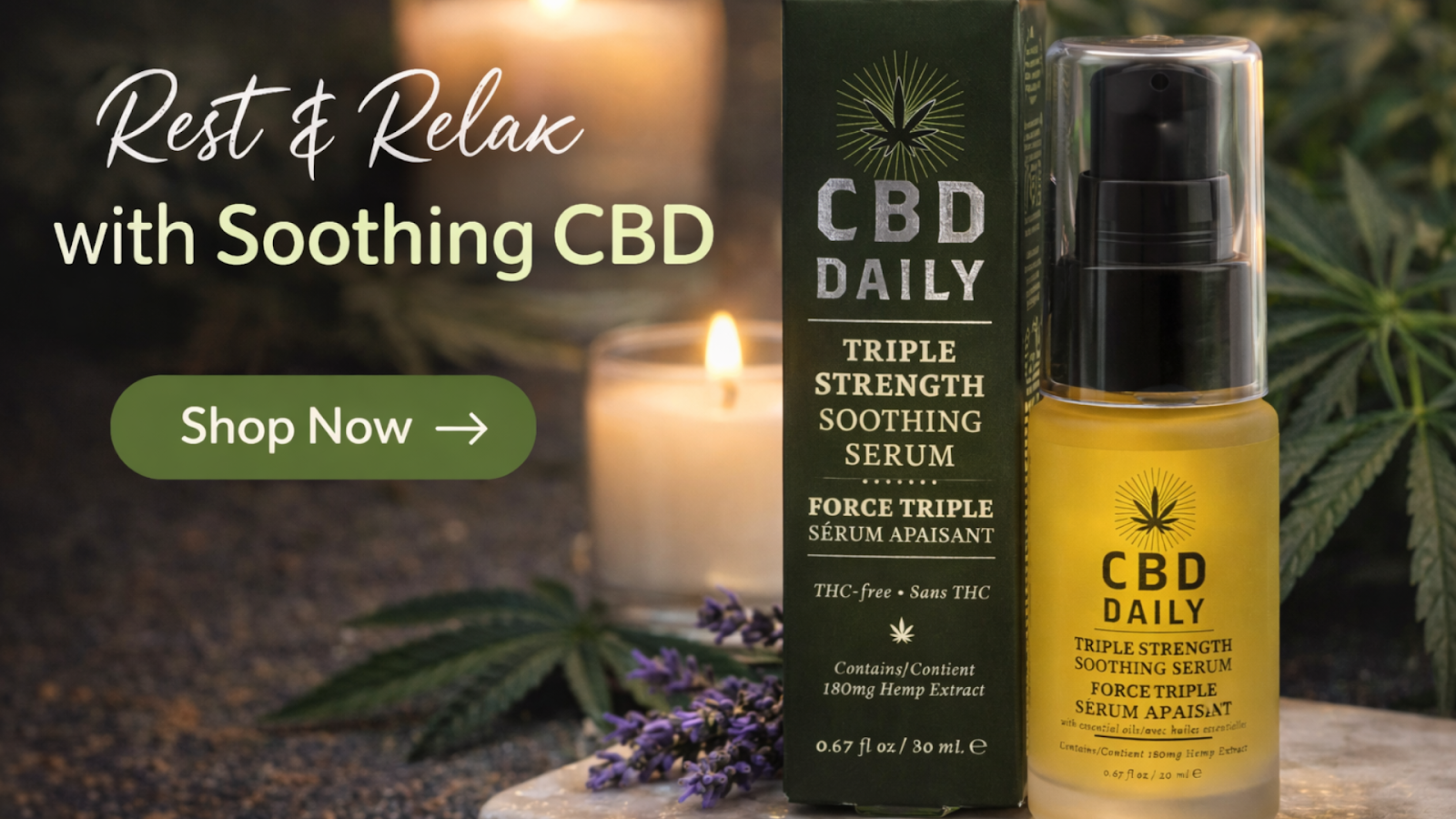
If you’re researching plant-based options for your recovery routine, our CBD Daily line offers a range of formats and strengths.
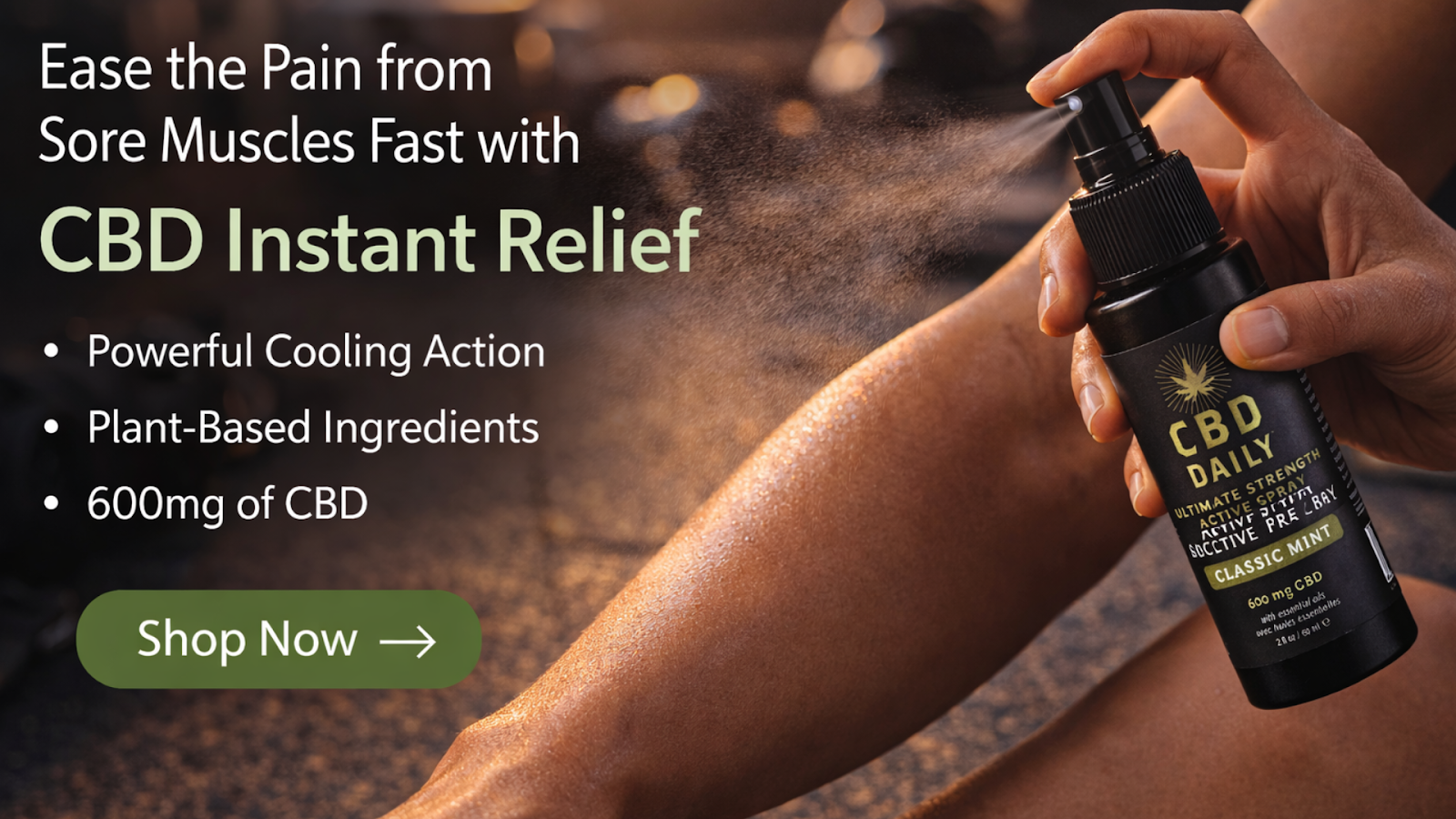
- CBD Daily Ultimate Strength Rapid Relief Roll-On: This convenient roll-on format delivers targeted, fast-absorbing comfort for on-the-go application. If you’re looking to tackle everyday tension or soreness wherever you go, this mess-free roll-on provides 600 mg of hemp-derived CBD and a refreshing essential oil blend containing menthol plus peppermint.
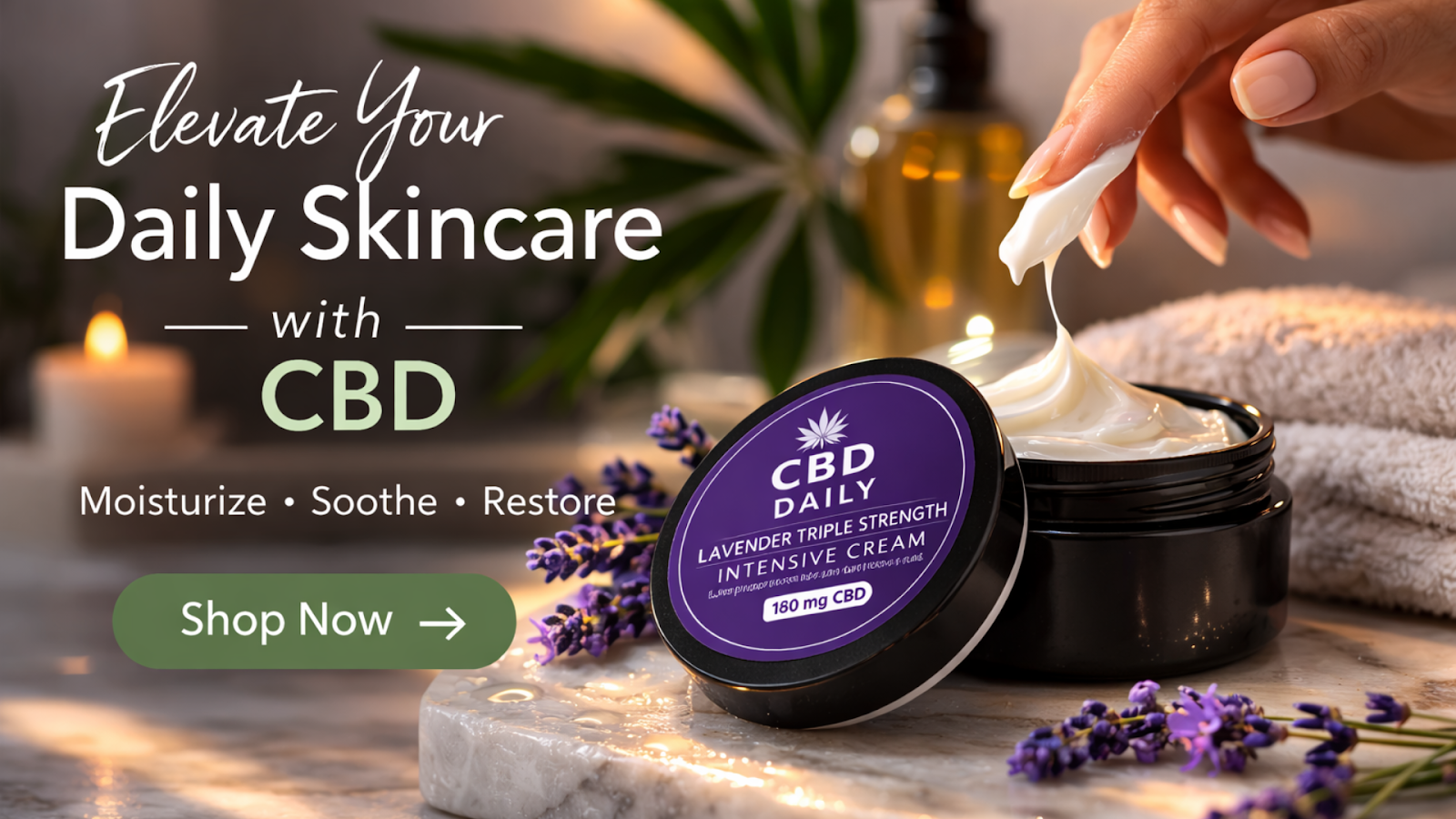
- CBD Daily Intensive Cream Ultimate Strength: For home use, this rich, creamy formula is enriched with lavender oil and shea butter to keep your skin supple and moisturized. It provides the same soothing sensation, plus it’s packed with high-potency 100% natural CBD.
- CBD Daily Intensive Cream Triple Strength: Available in three sizes (0.5 oz / 54 mg CBD, 1.7 oz / 180 mg CBD, 8 oz / 864 mg CBD) and two equally pleasant fragrances, this is a trusted everyday option for those looking for a reliable daily-use cream.
All of the above are 100% vegan, PETA-Certified Cruelty-Free, THC-free, and third-party tested. For more on the best options for specific areas like the back and neck, visit our guide to the best CBD cream for back and neck pain.
Building A Consistent CBD Muscle Recovery Routine
Consistency is the foundation of any effective recovery plan. Applying CBD cream for sore muscles shortly after workouts or at the end of physically demanding days can help make CBD muscle recovery an expected part of your routine. Here’s a few simple habits to build around it:
- Start With Clean Skin: Apply the cream to dry skin and massage it thoroughly into the target area to support even absorption.
- Focus On High-Strain Areas: Direct the application to areas that commonly experience repeated strain, such as the legs, shoulders, or lower back.
- Pair With Recovery Practices: Using the cream alongside stretching or foam rolling can help create a more complete recovery routine.
- Support Recovery With Hydration: Follow your recovery session with proper hydration and adequate rest to help the body recover after physical activity.
- Use Consistently: Apply the cream regularly rather than waiting until soreness peaks, as consistent use helps maintain a steady recovery routine.
Over time, integrating these steps into your schedule supports steady movement, performance, and everyday comfort without overcomplicating your wellness routine.
Frequently Asked Questions About CBD Cream For Muscle Pain
What is CBD cream for muscle pain used for?
CBD cream for muscle pain is a topical product applied directly to areas experiencing post-exercise tension or fatigue. It is commonly used as part of a recovery routine to support comfort in specific muscle groups after physical activity.
Can CBD cream for sore muscles be used before a workout?
Some individuals apply CBD cream for sore muscles before exercise as part of their warm-up routine. Always follow product label instructions and assess how your skin responds.
How often should I apply CBD cream for muscle pain?
Application frequency depends on personal preference and activity level. Many people apply after workouts or once daily to areas that experience repeated strain.
Is CBD muscle recovery suitable for beginners?
Topical CBD can usually be incorporated into a broader recovery routine by individuals at all fitness levels. As with any new body care product, reviewing the ingredient list and performing a patch test is a good starting point.
Can I use CBD for workout recovery every day?
Yes, CBD for workout recovery can be used as part of a consistent daily routine, especially for those with active lifestyles. Regular use fits great into post-shower or evening self-care practices.
Does CBD cream for sore muscles absorb quickly?
Absorption time varies by formulation. Lighter roll-ons and serums typically absorb faster, while richer creams may take slightly longer and provide additional skin hydration.
Can CBD muscle recovery products be used alongside other recovery methods?
Yes. CBD muscle recovery topicals are often used alongside stretching, massage, and proper nutrition. They are designed to complement an overall recovery strategy, not replace foundational wellness habits.
How do I choose the right strength for my CBD cream for muscle pain?
Strength selection depends on personal preference and activity level. Reviewing labeled CBD content and usage directions can help you find a good fit for your routine.
Sources:
- Hotfiel, T., Freiwald, J., Hoppe, M., Lutter, C., Forst, R., Grim, C., Bloch, W., Hüttel, M., & Heiß, R. (2018). Advances in delayed-onset muscle soreness (DOMS): Part I: Pathogenesis and diagnostics. Sportverletzung · Sportschaden, 32(4), 243–250. https://doi.org/10.1055/a-0753-1884
- Bíró, T., Tóth, B. I., Haskó, G., Paus, R., & Pacher, P. (2009). The endocannabinoid system of the skin in health and disease: Novel perspectives and therapeutic opportunities. Trends in Pharmacological Sciences, 30(8), 411–420.https://doi.org/10.1016/j.tips.2009.05.004
Disclaimer: The information provided in this article is for educational and informational purposes only and is not intended to constitute medical advice. The statements made about products or ingredients have not been evaluated by the U.S. Food and Drug Administration. Cosmetic products are not intended to diagnose, treat, cure, or prevent any disease, and individual results may vary. Always read product labels and ingredient lists carefully, and consult a qualified healthcare professional before using any product if you have concerns, sensitivities, or medical conditions. This article does not replace professional medical advice, diagnosis, or treatment.

