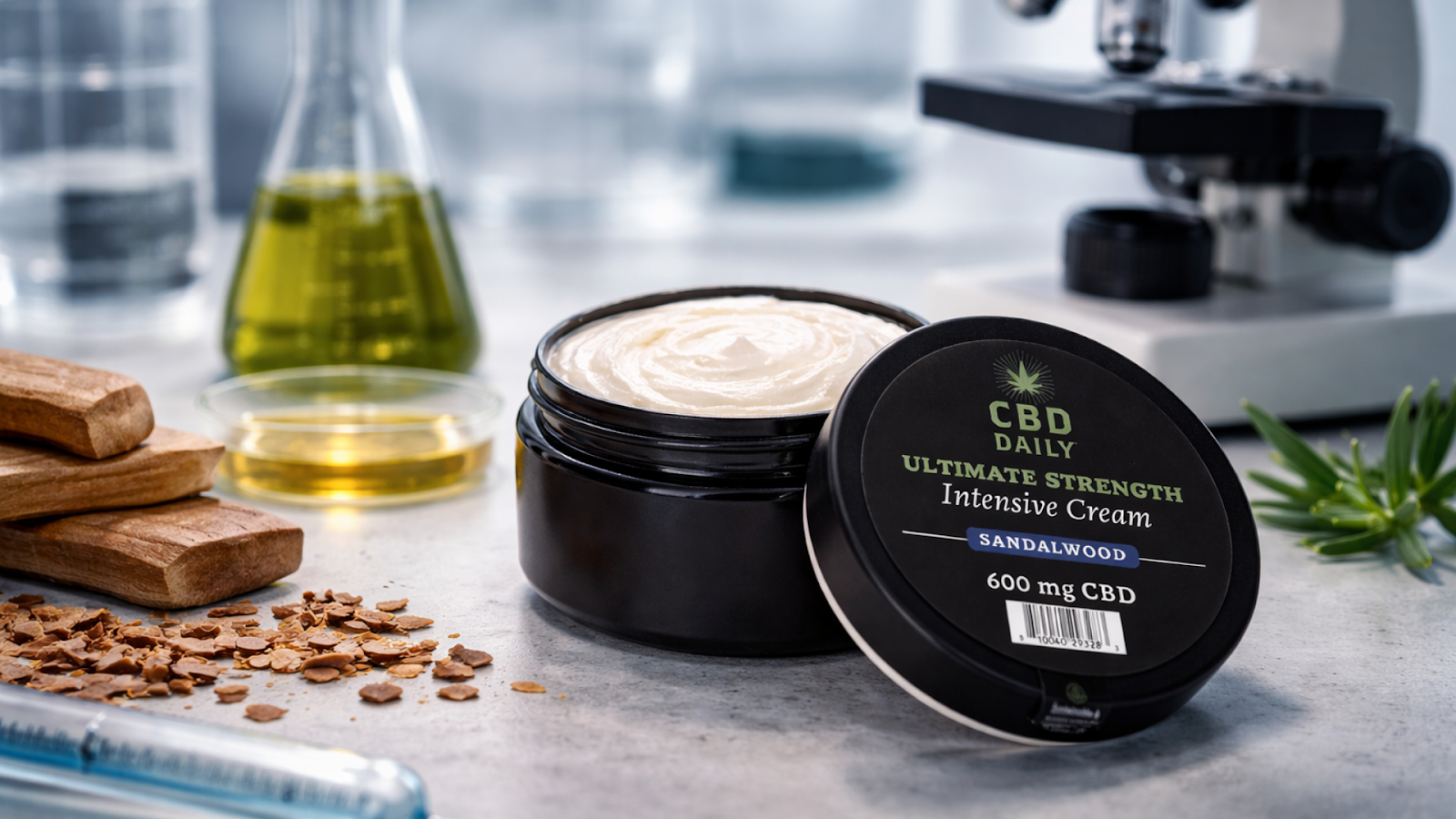
Definition: CBD cream is a topical product applied directly to the skin that may support localized muscle and joint comfort. Because it is used on specific areas of the body, such as the shoulders, knees, or lower back, it is commonly incorporated into body care or recovery routines after physical activity.
Science Behind It: CBD interacts with the body’s endocannabinoid system, which helps regulate balance across many biological processes. When CBD is applied topically, it interacts primarily with receptors located in the skin rather than entering the bloodstream.
Examples:
- Post-Activity Use: Applying CBD cream to sore shoulders or the lower back after a long day of physical activity or desk work can help provide relief.
- Exercise Recovery: Using CBD cream on the knees, calves, or wrists after workouts or repetitive movements can provide a soothing sensation.
- Routine Body Care: Incorporating a topical CBD product into a regular muscle recovery or evening self-care routine can be a relaxing part of your day.
Interesting Fact: Unlike ingestible CBD products, topical CBD creams are designed to stay localized where they are applied. This allows people to focus the application on specific areas, like the shoulders, knees, or lower back, without affecting the rest of the body.
Key Takeaways
- Topical application: CBD cream is applied directly to the skin and interacts with receptors locally rather than systemically.
- Endocannabinoid system: The body’s ECS plays a role in a range of physiological processes; CBD engages with receptors present in the skin.
- Emerging research: Studies are ongoing, and most current evidence comes from preclinical research. Topical CBD is not a medical treatment.
- Practical use: CBD cream is best understood as a plant-based body care product that can complement recovery routines alongside hydration, rest, and movement.
CBD cream is a topical product infused with cannabidiol (CBD), a naturally occurring compound derived from the hemp plant. Unlike THC, CBD is non-psychoactive, meaning it does not produce a “high.” When applied to the skin, CBD interacts with receptors in the applied area rather than entering the bloodstream, making it a localized option distinct from ingestible or inhaled CBD formats.
Interest in CBD topicals has grown steadily alongside broader interest in plant-based wellness. Many people reach for CBD cream as part of a self-care routine focused on targeted comfort, applying it to areas like the lower back, knees, or shoulders after physical activity or a long day. But a reasonable question follows: Does CBD cream work for pain, and what does the science say?
The honest answer is nuanced. Research into topical CBD is still developing, and most studies to date have been conducted on animals or in early-stage human trials. What the existing science does suggest is that CBD interacts with the body’s endocannabinoid system (ECS) in ways that may support localized comfort. At Earthly Body, we believe in giving you the clearest, most accurate picture of what CBD cream is, how it works, and how to use it responsibly as part of a balanced routine.
How Does CBD Cream Work?
If you’ve been wondering, “Does CBD cream work?” It helps to start with where it goes and where it doesn’t. When you apply a topical CBD product to your skin, most of the CBD does not penetrate deeply enough to reach the bloodstream in any meaningful amount. Instead, it interacts with cannabinoid receptors in the skin itself.
The Skin’s Endocannabinoid System And Topical CBD
The skin is home to a localized version of the body’s endocannabinoid system, including CB1 and CB2 receptors found in epidermal keratinocytes, sensory nerve fibers, and other skin structures (Bíró et al., 2009). CBD binds to and influences these receptors at the site of application, which is why topical CBD is often described as a localized rather than systemic option. Many CBD creams also include complementary ingredients, such as essential oils or shea butter, that contribute their own moisturizing and sensory effects. The overall experience of using a CBD cream often reflects the combined properties of the full formula, not CBD alone.
Why Knowing CBD Basics Matters
Because CBD skincare is still a developing area of research, many people start by learning the fundamentals before browsing specific products. If you’re interested in expanding your understanding of the topic, you might enjoy learning 5 facts about CBD you may not know, which highlights lesser-known aspects of how CBD interacts with the body, its use cases for animals, and more.
How Does CBD Cream Work For Pain? The Science Behind CBD Pain Cream
The question of how CBD cream works specifically in the context of discomfort comes down to the endocannabinoid system and its role in the skin’s response to physical stress.
The Endocannabinoid System And Pain
The endocannabinoid system is a network of receptors, enzymes, and signaling molecules found throughout the body. Research suggests it plays an important role in regulating inflammation and sensory signaling, including processes related to pain and itch (Bíró et al., 2009).
Cannabinoid receptors, particularly CB2, are found in immune cells and other tissues, and studies suggest these receptors help modulate immune activity and inflammatory signaling in the skin (Bíró et al., 2009). Because the skin contains both immune cells and sensory nerve endings, the ECS is thought to influence how the body responds to inflammatory and sensory stimuli. For a deeper dive into how the ECS functions, see our article on the endocannabinoid system: a bridge between body and mind.
How Does Topical CBD Reduce Pain?
When applied to the skin, CBD can interact with components of the endocannabinoid system. Preclinical research provides some insight into this process. In one animal study, transdermal CBD application was associated with reductions in inflammatory markers and improvements in behavioral indicators of discomfort in a rat arthritis model (Hammell et al., 2016). This particular study observed dose-dependent decreases in joint swelling, inflammation, and pain-related behaviors (Hammell et al., 2016).
While these findings are promising, it is important to note that animal studies do not automatically translate to equivalent effects in humans, and more robust clinical research is still needed. Current evidence suggests that topical cannabinoids may influence inflammatory and sensory signaling in the skin, but the full mechanisms are still being looked into.
How Long Does CBD Cream Take To Work?
So, how long does it take for CBD cream to work? The answer depends on a few variables: the formulation, the amount applied, the area of the body, and individual skin characteristics. Most topical CBD products begin to interact with skin receptors relatively quickly after application, typically within minutes of being massaged into clean, dry skin. Sensory effects from complementary ingredients like menthol or peppermint oil (common in CBD creams) may be noticeable almost immediately.
However, the effects of CBD itself at a deeper level are often subtler and more difficult to pinpoint precisely. It may take consistent, repeated application over time rather than a single use. In practical terms, this is why regular incorporation into a daily routine tends to produce a more reliable experience than occasional, one-off use.
As a general guideline, allow at least 15–30 minutes after application before assessing the initial experience, and plan to use the product consistently for several days before drawing conclusions about how it fits into your routine.
How To Use CBD Cream As Part Of A Balanced Routine
If you decide to incorporate CBD cream into your self-care habits, a few practical tips can help you get the most from it:
- Start With Clean Skin: Apply the cream to clean, dry skin to support optimal absorption and even coverage.
- Massage Thoroughly: Work the product into the target area with steady pressure to support absorption and enhance the sensory experience.
- Use Consistently: Regular application tends to provide a more reliable experience than sporadic use.
- Pair With Supportive Habits: Combine use with stretching, proper hydration, and adequate rest as part of a balanced recovery routine.
- Adjust As Needed: Begin with a small amount and increase gradually based on how your skin responds.
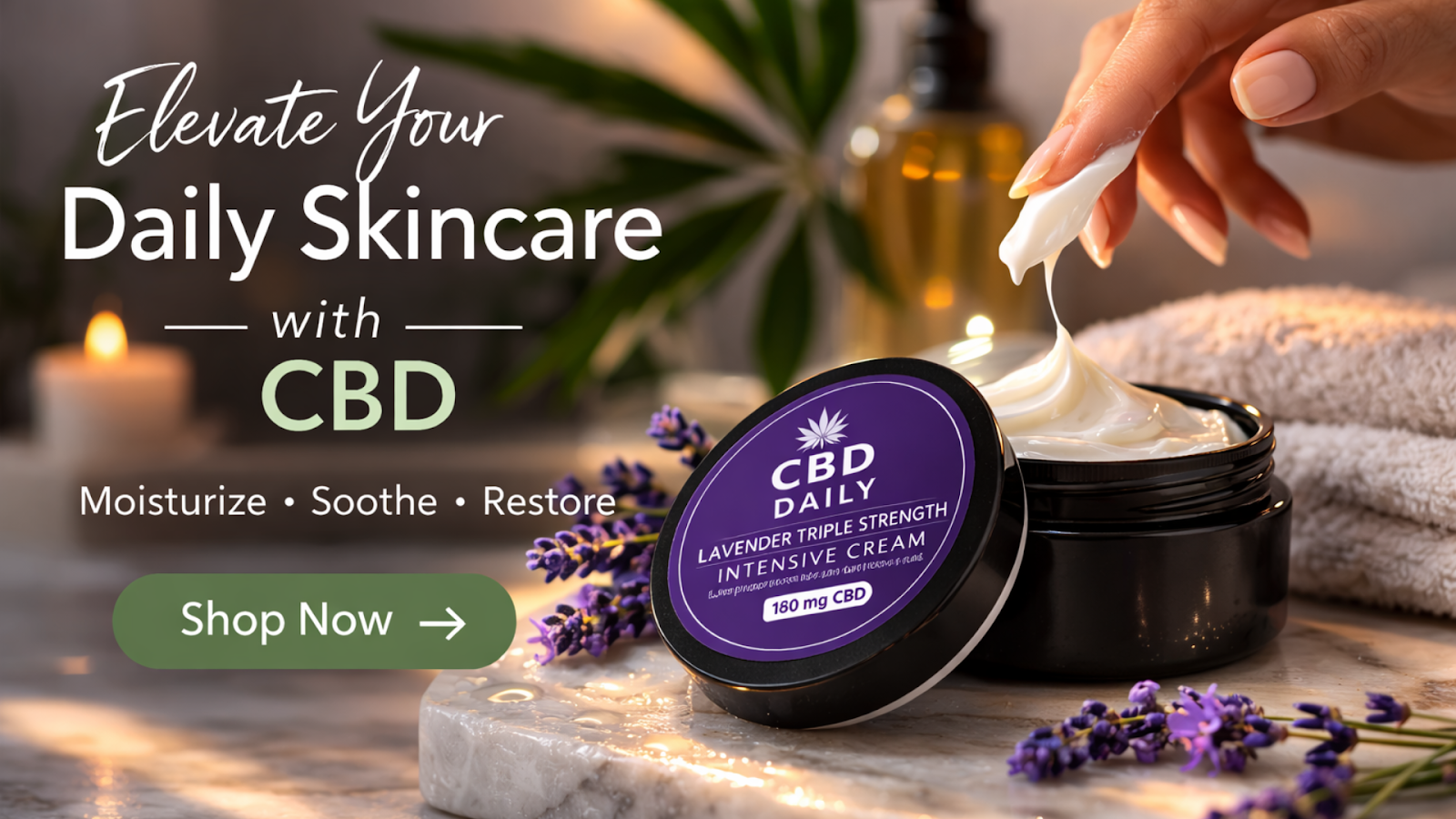
For those looking for a topical option that fits easily into a daily routine, our CBD Daily Intensive Cream combines hemp-derived CBD with lavender oil and shea butter in a rich, skin-conditioning formula. It’s THC-free, 100% vegan, PETA-certified cruelty-free, and third-party tested for accurate potency, making it a dependable choice for plant-based body care.
Does CBD Cream Really Work? Setting Realistic Expectations
This is perhaps the most important question to address honestly. Cosmetic and wellness topicals, including CBD creams, are intended to support everyday body care routines, not to replace medical treatment. That said, many people report finding CBD cream a useful addition to their self-care practices, particularly for post-workout recovery or everyday muscle and joint comfort. This experience is consistent with what the science suggests: that topical CBD engages with the skin’s ECS receptors in ways that may complement the body’s response to physical activity and stress.
The benefits of topical CBD are best understood as supportive, plant-based body care rather than clinical intervention. If you are managing a medical condition or taking prescription medications, always consult a qualified healthcare professional before adding any new topical product to your routine.
What Are The Side Effects Of CBD Cream For Pain?
For most people, topical CBD is well tolerated. Because it does not enter the bloodstream in significant amounts, the side effects commonly associated with ingestible CBD, such as drowsiness or changes in appetite, are not typically a concern with topical use. That said, as with any topical product, individual skin reactions are possible. Some people may experience mild skin irritation or redness, particularly if sensitive to any of the formula’s botanical or fragrance ingredients.
To minimize the likelihood of a reaction, perform a patch test before full application: apply a small amount to the inside of your wrist or elbow, wait 24 hours, and check for any irritation. Additionally, always review the full ingredient list, especially if you have known sensitivities to botanical ingredients.
Frequently Asked Questions About Whether CBD Cream Works For Pain
Does CBD cream work for pain?
CBD cream is a topical wellness product, not a medical treatment. It interacts with cannabinoid receptors in the skin and may complement everyday body care routines, but it is not intended to diagnose, treat, or cure any condition.
How does CBD cream work differently from ingestible CBD?
Topical CBD stays at the skin level and does not enter the bloodstream in meaningful amounts. This makes it a localized option, whereas ingestible CBD has a systemic effect throughout the body.
How long does it take for CBD cream to work?
Initial sensory effects from complementary ingredients, such as a soothing feeling from peppermint essential oil, may be noticeable within minutes. CBD’s interaction with skin receptors typically builds with consistent use over time. Allowing 15–30 minutes after each application is a reasonable starting point for assessing the experience.
What are the side effects of CBD cream?
Topical CBD is generally well-tolerated. Some individuals may experience mild skin irritation. A patch test is recommended before full application, especially for those with sensitive skin or botanical allergies.
Does CBD cream really work, or is it a placebo?
Individual experiences vary. CBD cream is best approached as a supportive body care product rather than a guaranteed outcome with universal experiences.
Will CBD cream show up on a drug test?
Products that are THC-free, such as all of Earthly Body’s CBD cream formulations, should not trigger a positive result on a standard drug test. However, if this is a concern, consulting the product’s third-party test results and speaking with a healthcare professional is advisable.
Can I use CBD cream with other skincare products?
Yes. Apply CBD cream to clean skin first and allow it to absorb before layering additional products such as body oil or lotion.
Is CBD cream safe for daily use?
For most people, yes. Daily topical use is common and generally well tolerated. Always follow the product label’s directions and consult a healthcare professional if you have any concerns.
Sources:
- Bíró, T., Tóth, B. I., Haskó, G., Paus, R., & Pacher, P. (2009). The endocannabinoid system of the skin in health and disease: novel perspectives and therapeutic opportunities. Trends in pharmacological sciences, 30(8), 411–420. https://doi.org/10.1016/j.tips.2009.05.004
- Hammell, D. C., Zhang, L. P., Ma, F., Abshire, S. M., McIlwrath, S. L., Stinchcomb, A. L., & Westlund, K. N. (2016). Transdermal cannabidiol reduces inflammation and pain-related behaviours in a rat model of arthritis. European Journal of Pain, 20(6), 936–948.https://doi.org/10.1002/ejp.818
Disclaimer: The information provided in this article is for educational and informational purposes only and is not intended to constitute medical advice. The statements made about products or ingredients have not been evaluated by the U.S. Food and Drug Administration. Cosmetic products are not intended to diagnose, treat, cure, or prevent any disease, and individual results may vary. Always read product labels and ingredient lists carefully, and consult a qualified healthcare professional before using any product if you have concerns, sensitivities, or medical conditions. This article does not replace professional medical advice, diagnosis, or treatment.