Key Takeaways:
- Targeted Upper Body Care: A quality CBD cream for shoulder stiffness supports focused topical application to areas that carry daily tension and tightness.
- Hemp-Derived Formula: CBD Daily creams are 100% natural, THC-free, third-party tested, and enriched with skin-conditioning botanicals.
- Routine-Ready: CBD Daily Intensive Cream fits naturally into post-activity, desk-recovery, and wind-down routines for the shoulders and upper back.
The shoulders absorb tension from long hours at the desk, physical activity, and repetitive movements, yet focused upper-body care is often the last thing people fit into their routine. CBD Daily, a brand by Earthly Body, has developed hemp-infused topical body care since 1996, built around therapeutic relief, soothing sensation, and skin-conditioning moisturization.
This article examines what makes a quality CBD cream for shoulder stiffness and what to look for when choosing a product.
Understanding Shoulder Stiffness And Topical Body Care
Shoulder tension builds gradually and often goes unaddressed until it becomes genuinely disruptive. The right topical body care product supports a consistent routine that keeps up with that daily accumulation.
Why The Shoulder Area Accumulates Tension
Long hours at a desk, overhead lifting, and repetitive motion all contribute to the tension and tightness that builds over time, since OSHA notes that awkward postures at a workstation can strain the shoulder and neck muscles. A CBD topical for joints and surrounding muscles applied consistently to the shoulders addresses that accumulation with targeted, localized care.
What Topical CBD Application Looks Like For Upper Body Areas
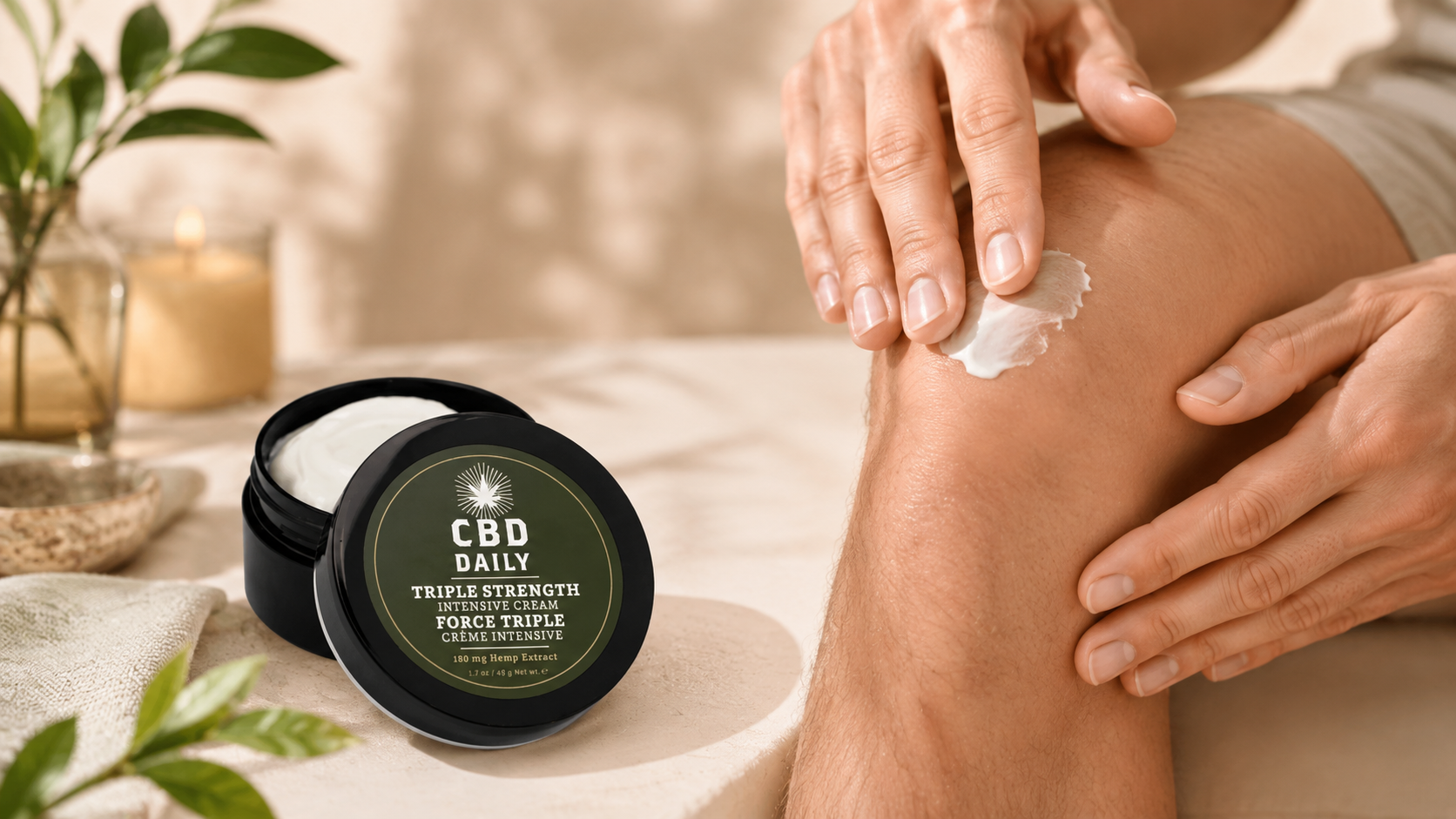
A topical CBD cream is applied directly to the skin over the shoulder or upper back and massaged in with gentle pressure. Unlike ingestible CBD formats, a topical works at the surface level, interacting with receptors in the skin at the site of application for focused support without affecting the rest of the body.
The Difference Between Cooling Sensation And Therapeutic Relief
CBD Daily Intensive Cream delivers both a cooling sensory experience and therapeutic relief. The cooling feel from essential oils is immediate and refreshing, while therapeutic relief reflects the broader soothing experience the hemp-derived CBD formula is built to deliver.
Ingredients And Formulas That Support The Shoulders
Not all topical CBD creams are built around the same standards. A few key ingredients make a real difference in how a product performs for upper-body application.
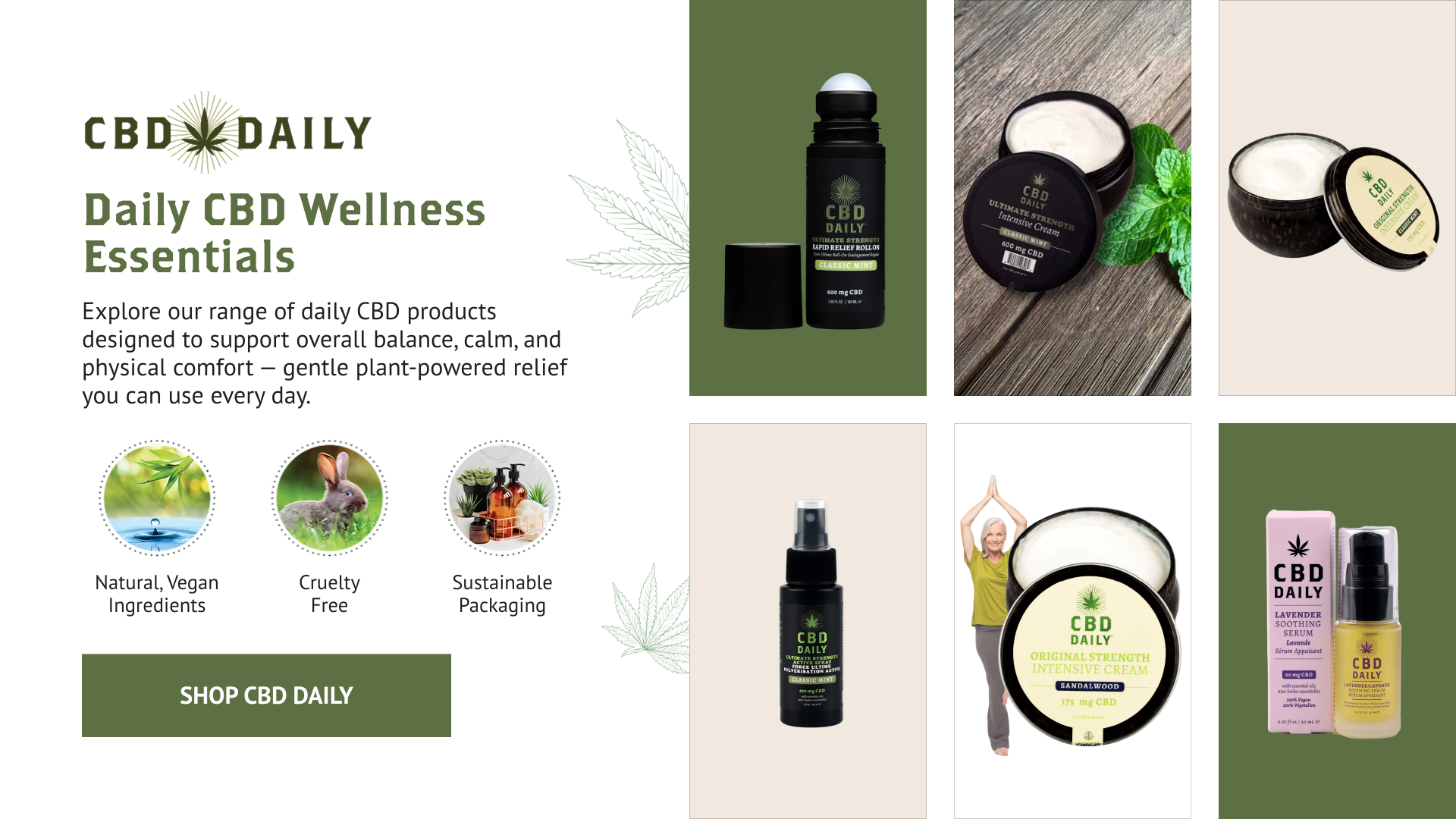
- Hemp-Derived CBD: All CBD Daily products use 100% natural, THC-free hemp-derived CBD, third-party tested for accurate potency.
- Lavender Oil: A naturally derived essential oil in CBD Daily Intensive Cream that contributes to the sensory experience and skin conditioning.
- Shea Butter: A rich moisturizing ingredient that supports skin hydration and helps the cream absorb comfortably without residue.
- Proprietary Essential Oil Blend: A blend of essential oils that contributes to the cooling sensory feel and overall texture of the formula.
How Shoppers Research CBD Topicals For Shoulder Discomfort
Understanding what people search for when exploring CBD cream for tight shoulders helps clarify what they are looking for and how CBD Daily addresses those needs.
What “CBD For Rotator Cuff” Searches Actually Mean
Many shoppers search for “CBD for rotator cuff” when comparing topical CBD body care options for the shoulder, since the rotator cuff is a group of tendons that can be a common source of shoulder pain. CBD Daily Intensive Cream is designed for therapeutic relief, soothing sensation, massage, moisturization, and targeted application to areas like the shoulders, joints, and upper back. For persistent or unexplained shoulder symptoms, consulting a qualified healthcare professional is always the right first step. Best CBD Creams for Back, Neck, Knees, and More covers the full range of upper- and lower-body applications.
Comparing Textures: Cream vs. Spray For The Upper Back
A rich cream applied with deliberate pressure works well for the front of the shoulder and upper trap. For harder-to-reach spots, a spray format like CBD Daily Active Spray offers a 360-degree sprayer for quick, targeted application. CBD Cream for Muscle Pain outlines how different formats fit into post-activity routines across body areas.
Mobility, Range Of Motion, And Post-activity Routines
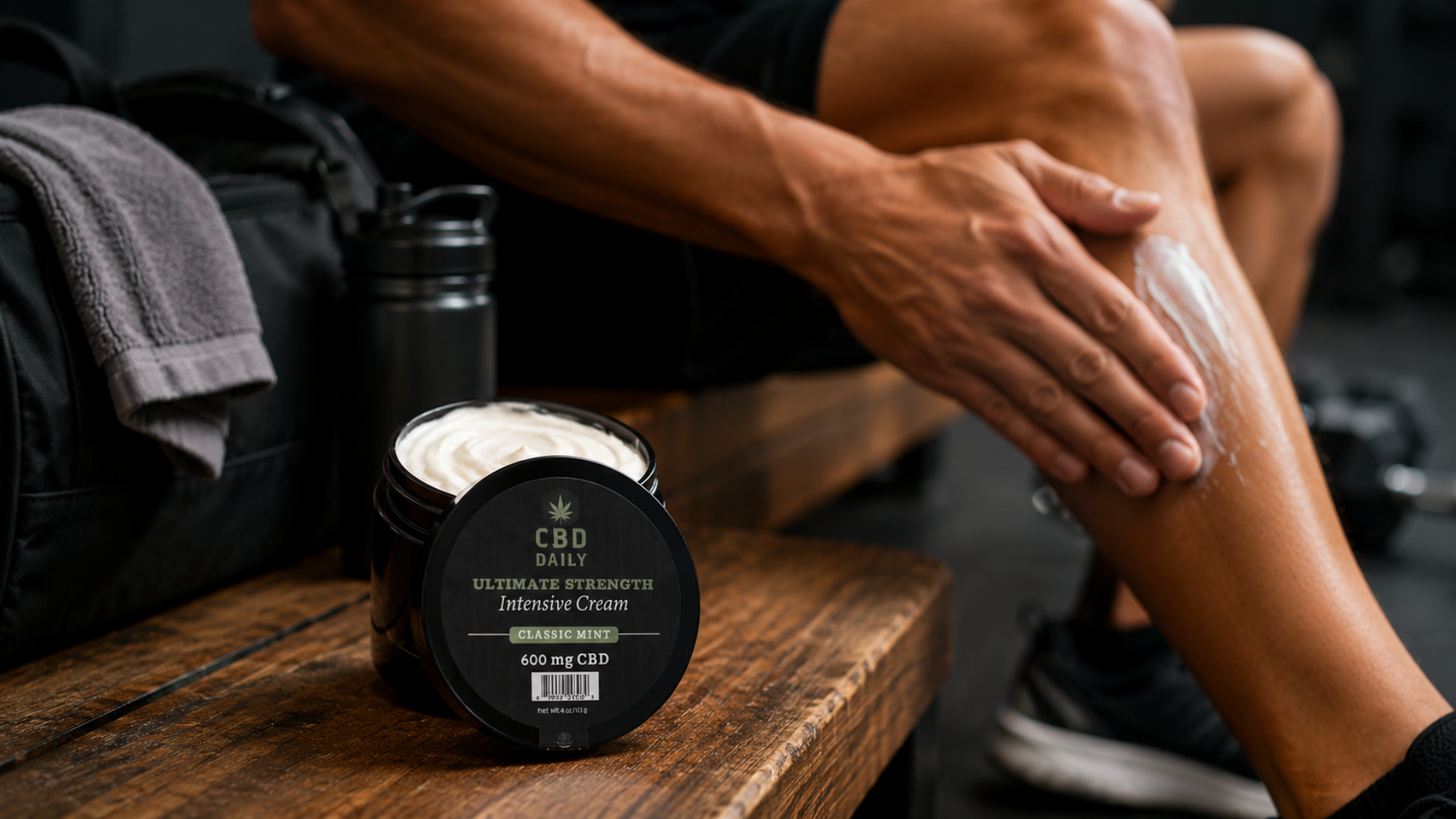
Many people searching for CBD cream for mobility are looking for a topical that fits into an active lifestyle routine. Applied after overhead training, swimming, or any movement-heavy session, CBD Daily Intensive Cream delivers a cooling, soothing experience that complements stretching and rest.
What To Check Before Buying A CBD Topical Cream
A quality topical CBD cream should carry clear CBD milligram labeling, a transparent ingredient list, third-party testing, and a texture that absorbs comfortably for repeated daily use. Our piece on whether CBD Cream Does or Doesn’t Work for Pain offers a grounded look at what topical CBD realistically delivers and how to evaluate products before purchasing.
CBD Daily’s Approach To Targeted Upper Body Care
CBD Daily has been formulating hemp-derived topical body care trusted by professional athletes and beauty professionals since 1996, with a focus on consistent quality and transparent ingredients.
Strength Options Across The CBD Daily Lineup
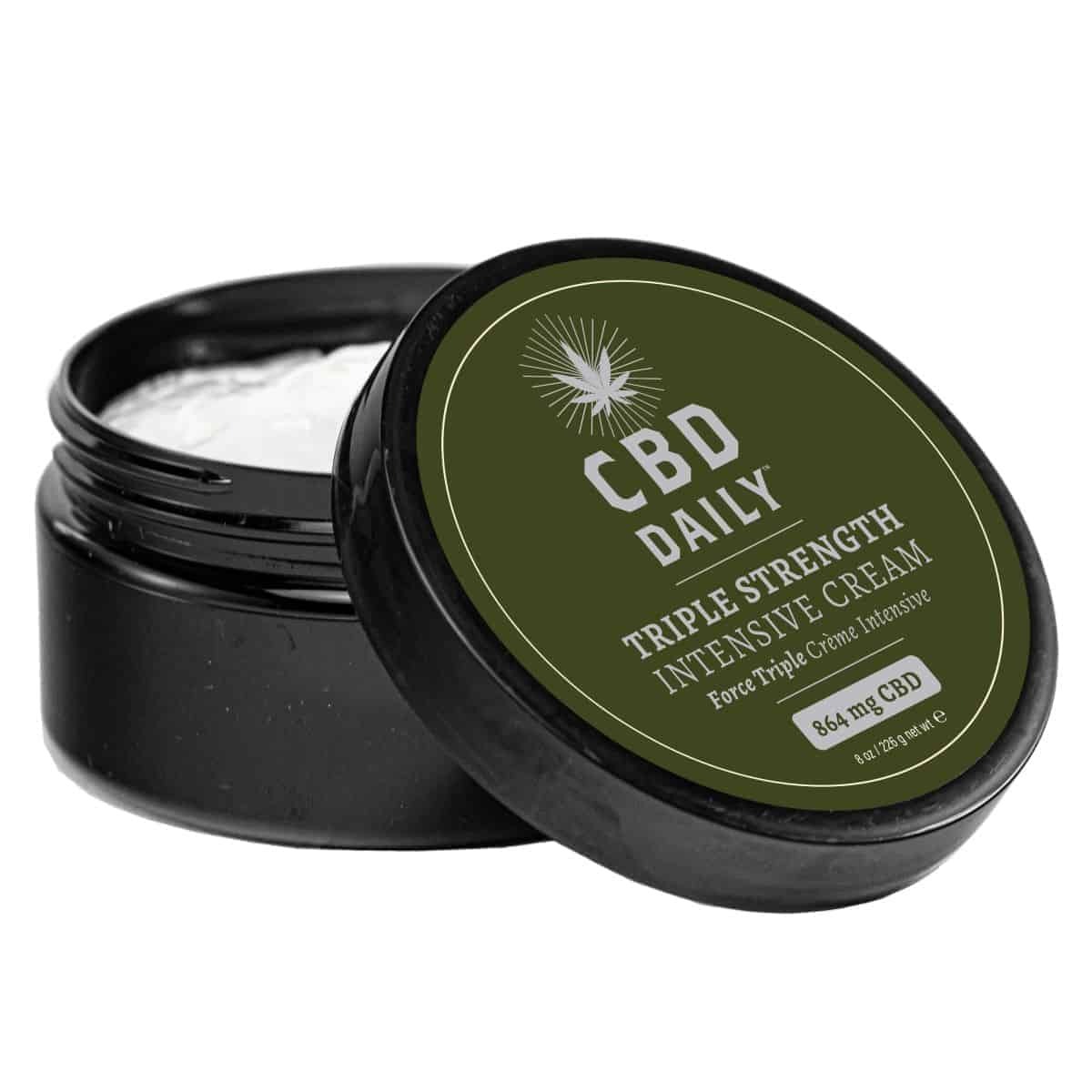
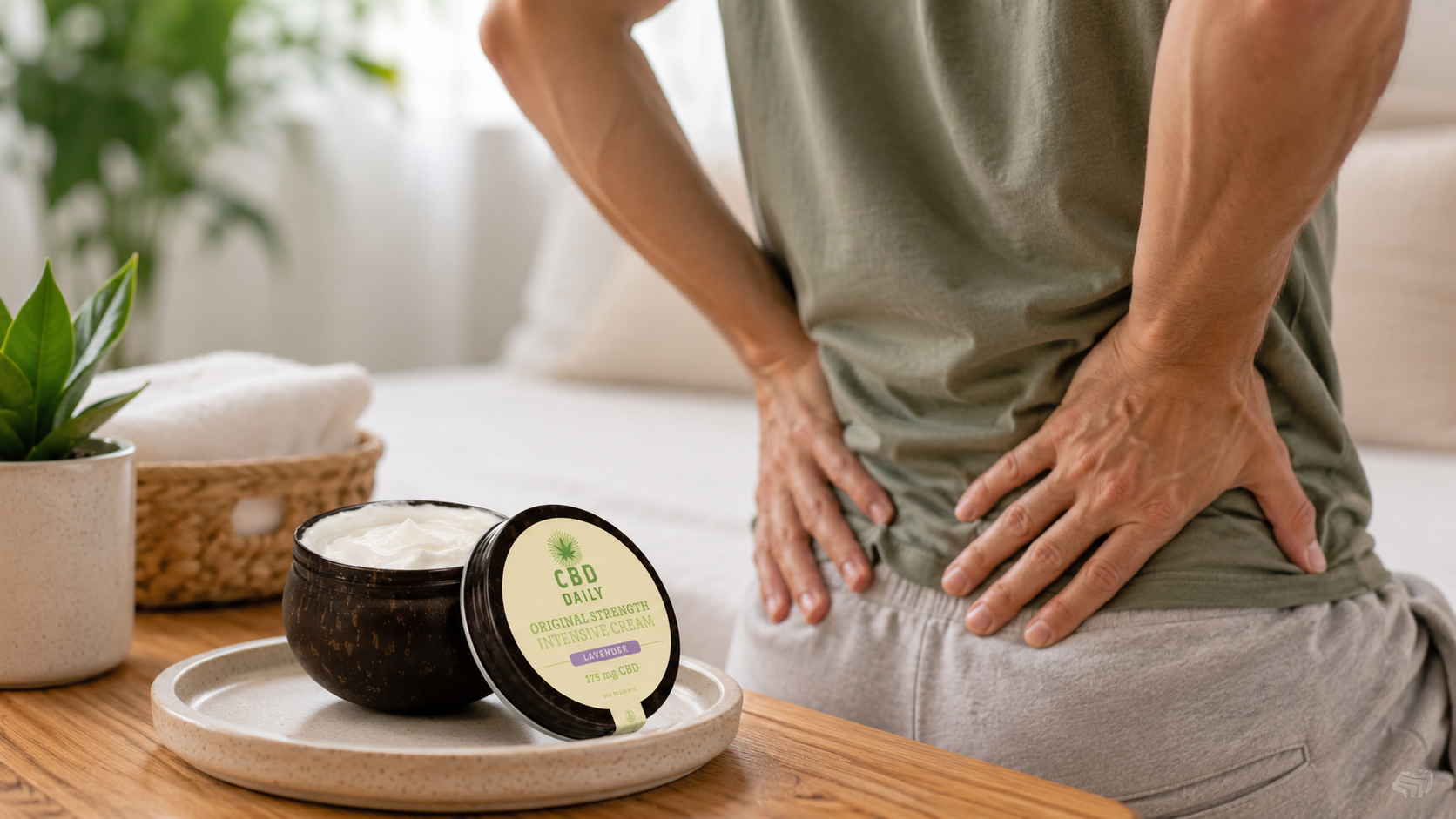
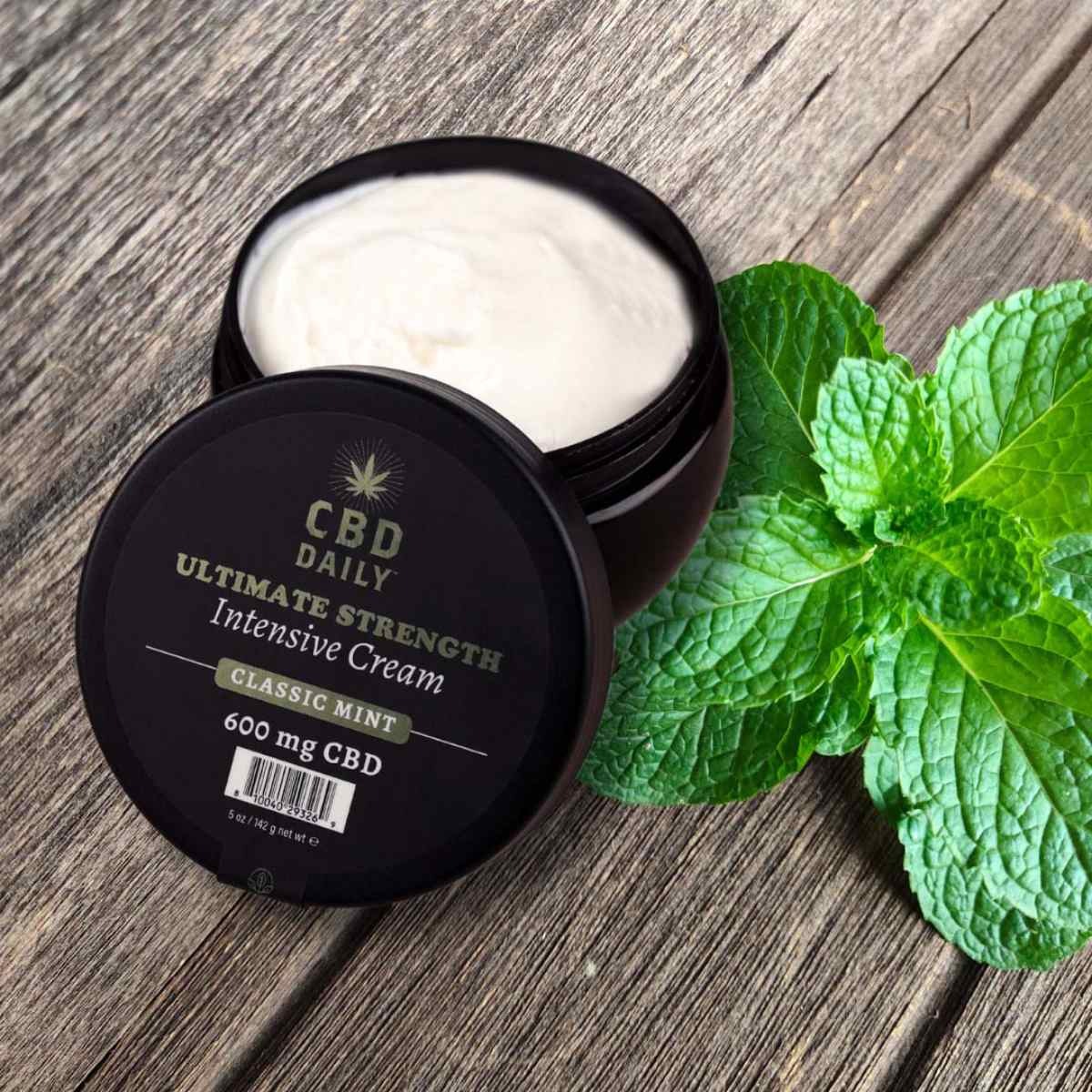
CBD Daily Intensive Cream is available in Original Strength at 175 mg and Ultimate Strength at 600 mg, with the latter delivering a more concentrated formula suited to regular physical activity and CBD cream for upper back and shoulder application.
How To Apply CBD Cream To The Shoulders And Upper Back
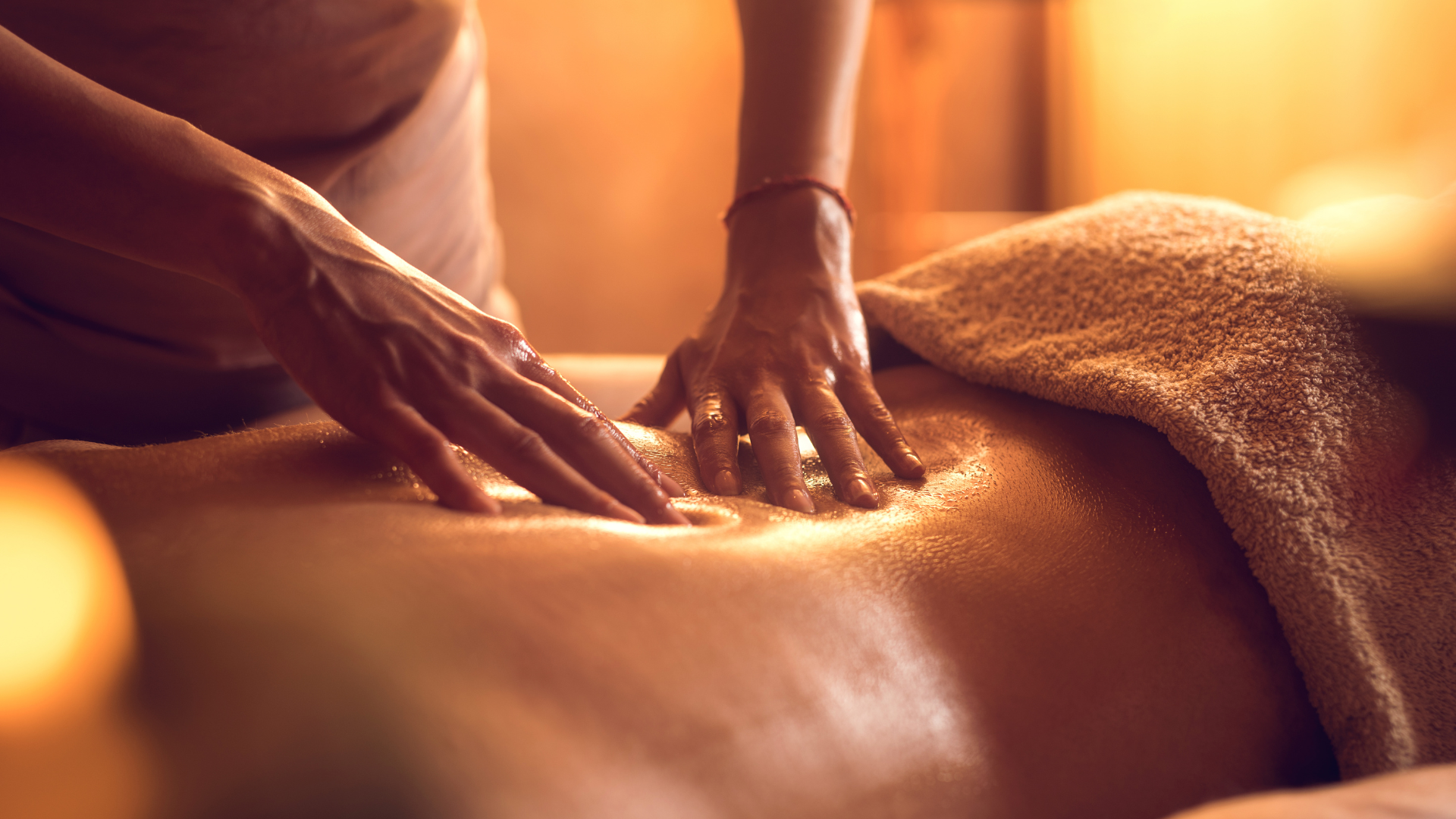
Apply a generous amount directly to the shoulder or upper trap, massage in with slow, deliberate pressure, and build the habit into an after-shower or pre-bed routine for consistency.
Scent Choices And Sensory Experience
CBD Daily Intensive Cream is available in Classic Mint, Grapefruit Mint, Lavender, and Sandalwood. Classic Mint and Grapefruit Mint deliver an invigorating cooling feel, while Lavender and Sandalwood offer a calmer sensory experience suited to evening wind-down routines.
Final Thoughts
The shoulders carry more daily tension than most people stop to address. CBD Daily’s hemp-derived topical creams deliver therapeutic relief, a soothing sensation, and deep moisturization to the upper-body areas that experience the most strain. Adding CBD Daily Intensive Cream to a daily shoulder routine is a simple, consistent step toward upper body care that keeps pace with the demands of the day. Explore the full CBD Daily lineup and find the strength and scent that fits your routine.
Frequently Asked Questions About CBD Cream For Shoulder Stiffness
What is CBD cream for shoulder stiffness used for?
It is applied topically to support soothing sensation, targeted relief, and moisturization around the shoulder area.
Is CBD Daily Intensive Cream safe for daily use on the shoulders?
Yes, all CBD Daily creams are vegan, cruelty-free, THC-free, and third-party tested for consistent daily use.
How much CBD is in CBD Daily Ultimate Strength Intensive Cream?
The Ultimate Strength formula contains 600 mg of 100% natural hemp-derived CBD per container.
Can CBD cream for tight shoulders be used after overhead training?
Yes, it fits naturally into post-activity routines alongside stretching, hydration, and rest.
Does CBD Daily make products without psychoactive ingredients?
All CBD Daily products are THC-free and non-psychoactive, made with 100% natural hemp-derived CBD.
What scents does CBD Daily Intensive Cream come in?
It is available in Classic Mint, Grapefruit Mint, Lavender, and Sandalwood fragrances.
Disclaimer: CBD Daily products are hemp-derived topical body care products designed for therapeutic relief, soothing sensation, massage, moisturization, cooling sensory feel, targeted application, and everyday or post-activity routines. They are not intended to diagnose, treat, cure, or prevent any medical condition. Consult a qualified healthcare professional for persistent or unexplained symptoms.