Free shipping on orders $40+ • FREE samples at checkout

No shipping to AK & HI

Posted on Leave a comment

Active Recovery Workouts: Light Movement That Helps You Bounce Back

Person stretching beside CBD cream during an active recovery workout.

Key Takeaways

  • Active Recovery Benefits: Light movement may help support flexibility, circulation, and post-workout routines.
  • Recovery Workout Options: Walking, yoga, stretching, and low-impact cardio are simple ways to stay active during recovery days.
  • Wellness Support: Hydration, rest, mobility work, and self-care habits all contribute to better post-workout recovery and balance.

Recovery is an important part of maintaining an active lifestyle. After intense workouts, the body needs time to recharge, which is why many people include active recovery workouts in their routines. Gentle movement like walking, stretching, yoga, or light cycling can help support flexibility, mobility, and overall comfort while encouraging balanced wellness habits.

At Earthly Body, we believe wellness routines should support both movement and recovery through plant-forward self-care and mindful daily practices. Our body care and wellness products are designed to fit naturally into active lifestyles while supporting comfort and balance.

We will discuss active recovery workouts, recovery workout ideas, and ways to support post-workout recovery and body care routines.

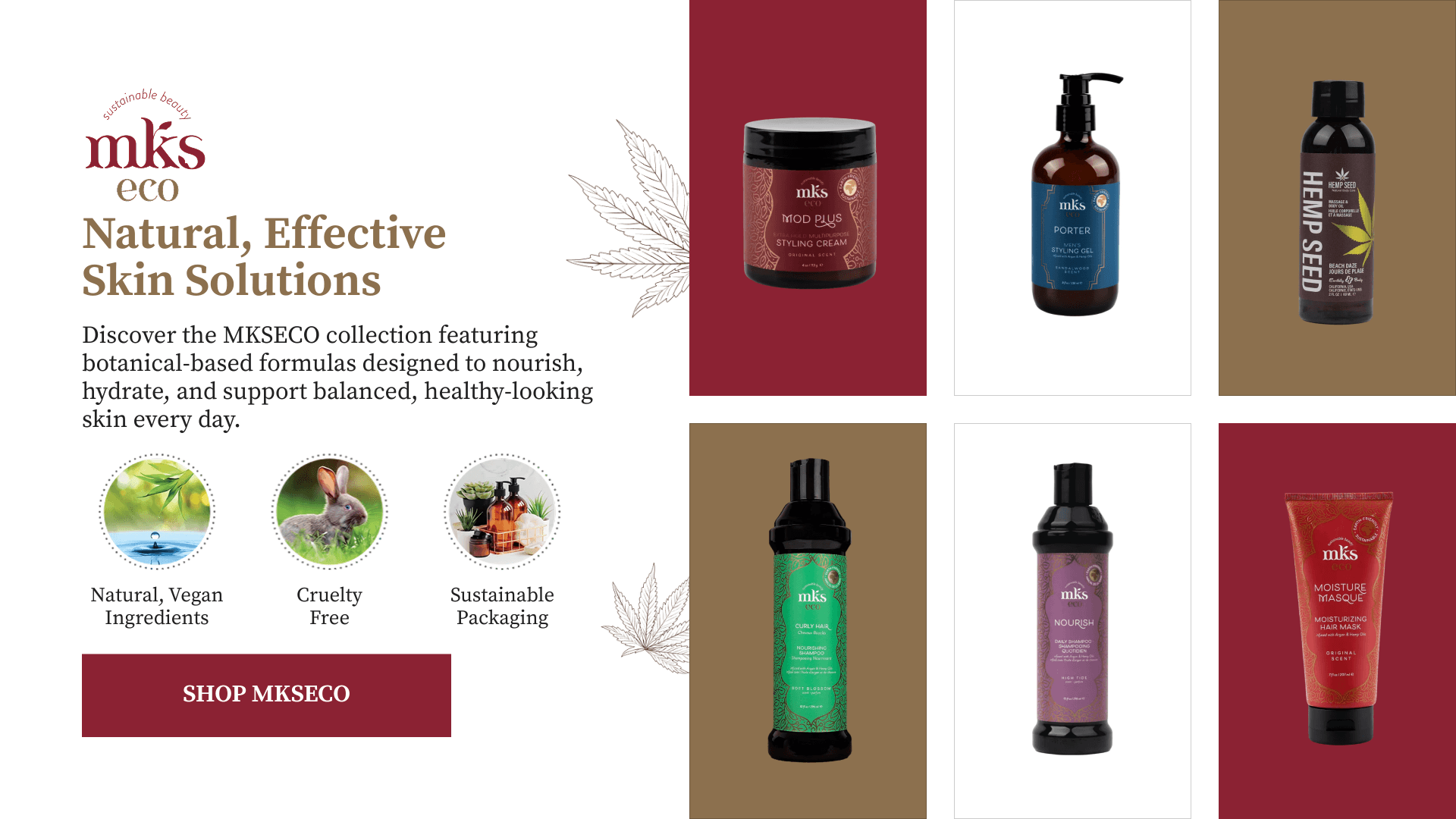
Shop Natural, Effective Skin Solutions

What Is an Active Recovery Workout and Why Does It Matter?

An active recovery workout focuses on low-intensity movement during rest days or after intense exercise. Activities like walking, stretching, yoga, swimming, and light cycling help support circulation, flexibility, and mobility without placing added strain on the body.

While rest is important, gentle movement can also help the body recharge by easing tightness and supporting overall comfort after workouts. Active recovery is not meant to replace regular training. Instead, it helps create balance through mindful movement, hydration, stretching, and consistent wellness habits.

How Active Recovery Supports Post-Workout Body Care

Recovery is an important part of maintaining an active lifestyle, especially after challenging workouts. An active recovery workout encourages gentle movement that supports flexibility and mobility while giving the body a break from high-intensity exercise.

Improved Circulation and Mobility

Low-impact movement encourages blood flow throughout the body, which may help transport oxygen and nutrients to tired muscles. Activities like walking or light stretching can also help improve flexibility and reduce feelings of tightness after exercise.

Mobility work is especially valuable for people who spend long periods sitting after workouts. Gentle movement can help the body transition more comfortably between training days while supporting flexibility and range of motion.

Reduced Feelings of Post-activity tightness

Post-workout tightness after exercise is common, especially after strength training or high-intensity cardio sessions. A lighter recovery workout may help the body feel more relaxed compared to remaining inactive for long periods.

Slow movement patterns such as yoga flows, easy cycling, or swimming can help the body stay loose while giving muscles time to recover naturally. Recovery days can also create an opportunity to focus on breathing, stretching, and mindful movement instead of performance goals.

Best Recovery Workout Ideas for Rest Days and Gentle Movement

Recovery days do not need to feel restrictive or repetitive. There are many simple ways to stay active while allowing the body time to recharge between more demanding workouts.

Walking and Light Cardio

Walking remains one of the most accessible forms of active recovery. A relaxed walk outdoors or on a treadmill can help maintain movement without placing heavy demands on the body. Light cardio sessions such as easy cycling or slow-paced elliptical workouts can also support circulation while keeping intensity levels manageable.

The goal is to keep movement comfortable. Recovery workouts should leave the body feeling refreshed instead of exhausted.

Stretching and Yoga Sessions

Stretching routines and yoga sessions can support flexibility while helping the body unwind physically and mentally. Dynamic stretching may help improve mobility, while slower yoga practices can encourage relaxation and gentle movement.

These sessions also create time to reconnect with routine-focused wellness habits. Many people pair stretching or yoga with hydration, foam rolling, or nourishing body care products as part of a calming post-workout routine. Earthly Body supports everyday wellness through plant-forward personal care designed to fit naturally into self-care routines.

The Benefits of Light Movement for Better Post Workout Recovery

Post-workout recovery is about giving the body time and support to recharge after physical activity. Light movement can play a valuable role in helping people maintain consistency without feeling overly fatigued between workouts.

Helps Maintain Consistency

Taking complete rest days may feel necessary after intense exercise, but too much inactivity can sometimes leave the body feeling stiff or sluggish. Gentle movement can help maintain momentum within a fitness routine while still supporting recovery needs.

For many people, active recovery workouts create a balanced approach that feels easier to sustain long-term. Instead of viewing recovery as inactivity, it becomes part of a healthy movement routine.

Supports Wellness Habits

Recovery is not limited to physical movement alone. Hydration, sleep, stretching, stress management, and mindful self-care all contribute to the recovery process. Adding light movement to these habits can help create a more complete wellness routine.

Simple activities such as walking outdoors, practicing yoga, or taking time for mobility work can support both physical and mental relaxation after demanding training sessions.

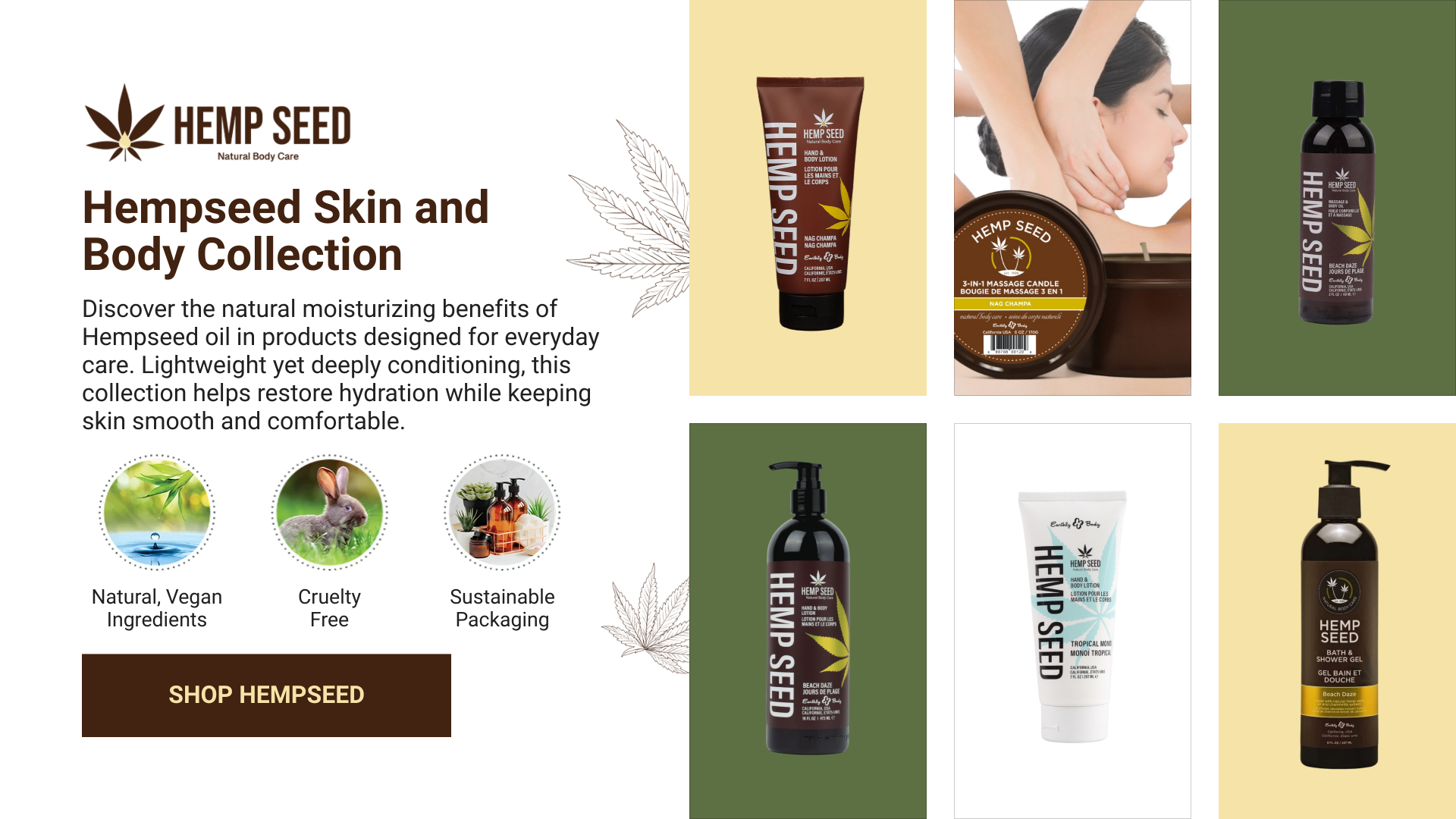
Hemp Seed Skin And Body Collection

Common Mistakes That Can Slow Recovery After Workouts

Recovery habits can influence how the body feels between workouts. Certain mistakes may make post-activity tightness or fatigue feel more noticeable over time.

  • Skipping recovery days entirely and training intensely every day without allowing the body enough time to recharge
  • Approaching recovery workouts like high-performance training sessions instead of keeping movement light and manageable
  • Ignoring hydration needs after exercise, especially after long or high-intensity workouts
  • Overlooking the importance of stretching and mobility work during post-workout recovery routines
  • Getting inconsistent sleep, which may affect energy levels and overall recovery support
  • Staying inactive for long periods after strenuous exercise, instead of incorporating gentle movement

How to Add an Active Recovery Workout to Your Weekly Fitness Plan

Adding recovery workouts to a weekly schedule does not require major changes. Most people benefit from one or two lower-intensity days each week, depending on their activity level and workout style. Gentle movement can be especially helpful after strength training sessions, long runs, or high-intensity interval workouts.

An active recovery workout should feel noticeably easier than a regular training day. Walking, stretching, yoga, and light cycling are all practical options because they encourage movement without placing additional stress on tired muscles. The focus should remain on comfort, flexibility, and maintaining mobility rather than performance.

Scheduling recovery days ahead of time may also help prevent overtraining. By viewing recovery as part of a complete wellness routine instead of an afterthought, people can create a more balanced relationship with exercise and self-care.

Recovery Workout Techniques That Support Comfort and Mobility

A balanced recovery routine often combines movement with supportive wellness habits. Foam rolling, stretching, hydration, and mindful rest can all complement light exercise during recovery days. Some people also enjoy warm baths, massage tools, or body care products, such as CBD creams and lotions, designed to support relaxation after physical activity.

Recovery techniques do not need to feel complicated to be effective. Consistency often matters more than intensity. Small habits practiced regularly can help the body feel more prepared for future workouts while encouraging a healthier balance between movement and rest.

Plant-based personal care products may also become part of a calming post-workout routine. Moisturizing body care, massage oils, and self-care rituals can help create a more relaxing recovery experience while supporting everyday wellness habits.

Self-Care Tips That Support Post Workout Recovery and Long-Term Wellness

Post-workout recovery is about more than easing post-activity tightness after exercise. It is also about creating routines that support wellness and sustainable movement habits over time. Prioritizing recovery may help people stay more consistent with exercise while feeling better between training sessions.

Combining light movement with hydration, stretching, balanced nutrition, and restorative self-care practices can help create an approach to fitness. An active recovery workout offers a practical way to stay moving while giving the body space to recharge naturally. By making recovery part of a regular wellness routine, people can support physical comfort and everyday balance in a way that feels approachable and realistic.

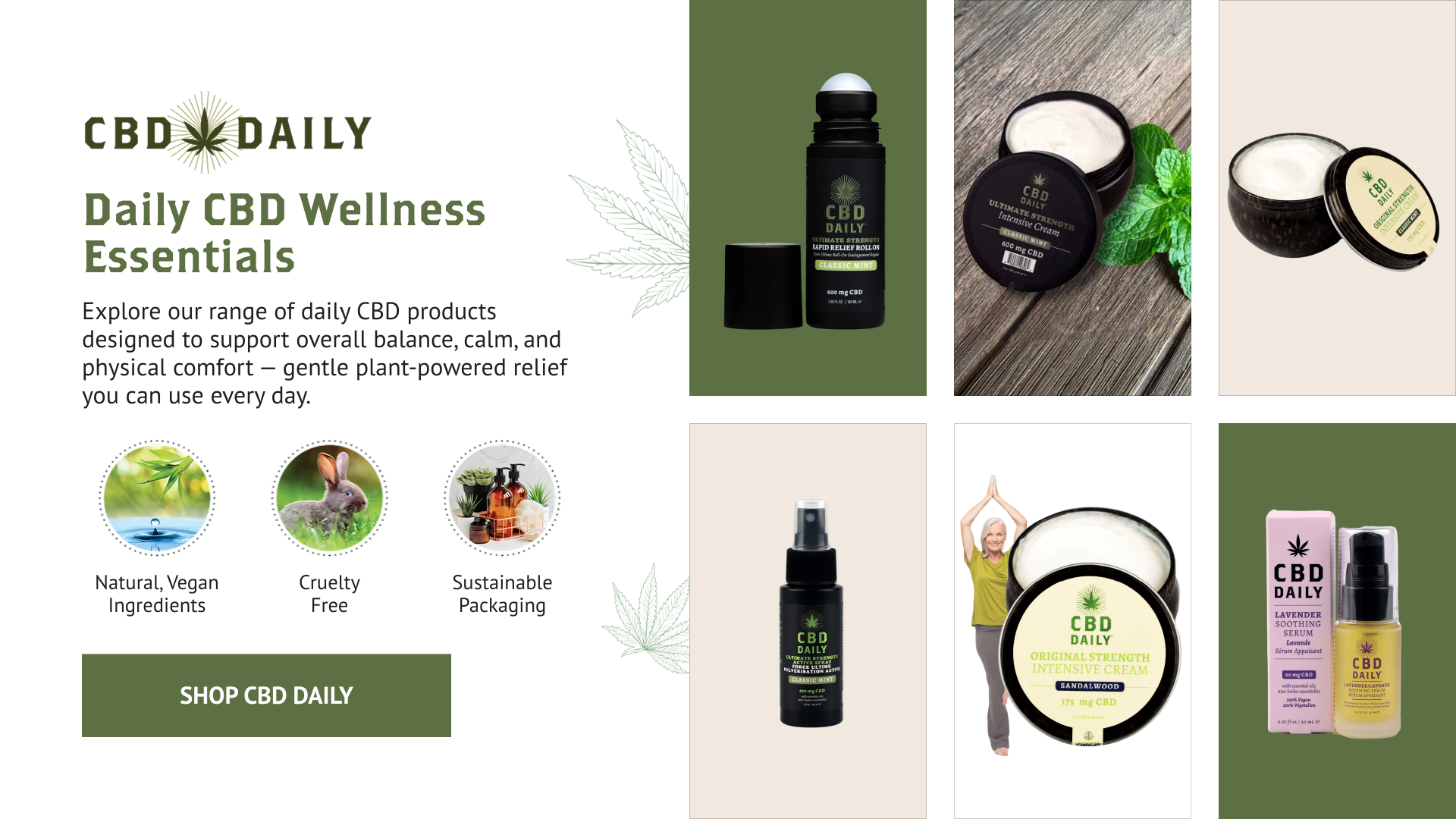
Daily CBD Wellness Essentials

Final Thoughts

Recovery is an important part of maintaining a balanced fitness routine, and staying active during rest days can help support overall wellness. An active recovery workout encourages gentle movement that helps the body recharge while promoting flexibility, mobility, and relaxation. By combining light exercise with hydration, stretching, and mindful self-care habits, it becomes easier to create a sustainable routine that supports both movement and recovery over time.

Frequently Asked Questions About Active Recovery Workouts

What is the difference between active recovery and complete rest?

Active recovery involves gentle movement like walking or stretching, while complete rest means avoiding physical activity entirely. Both can support post-activity routines, depending on workout intensity and energy levels.

How long should an active recovery workout last?

Most active recovery workouts last between 20 and 45 minutes. The goal is to keep movement light and comfortable without creating additional fatigue.

Can beginners benefit from recovery workouts?

Yes. Recovery workouts can help beginners ease into fitness routines while supporting mobility, flexibility, and consistent movement habits.

Is yoga considered an active recovery workout?

Yes. Gentle yoga sessions are commonly used for active recovery because they support flexibility, mobility, and relaxation without high physical strain.

Should you do active recovery after every workout?

Not necessarily. Active recovery is often most helpful after intense training sessions or on scheduled rest days within a weekly fitness routine.

Can active recovery workouts help with flexibility?

Light movement, stretching, and mobility exercises may help improve flexibility over time while supporting overall movement quality.

What should you avoid during a recovery workout?

Avoid high-intensity training, heavy lifting, or pushing to exhaustion during recovery workouts. The focus should remain on gentle movement and comfort.

Are recovery workouts helpful for runners?

Many runners use active recovery workouts like walking, stretching, or light cycling to stay mobile between training sessions and support post-workout recovery.

Can hydration affect post-workout body care after workout sessions?

Hydration plays an important role in overall wellness and recovery. Drinking enough water may help support comfort and physical performance after exercise.

What are the signs that your body may need more recovery time?

Persistent post-activity tightness, fatigue, reduced motivation, or difficulty completing workouts may indicate the need for additional rest and recovery support.

Disclaimer: The information provided in this article is for educational and informational purposes only and is not intended to constitute medical advice. The statements made about products or ingredients have not been evaluated by the U.S. Food and Drug Administration. Cosmetic products are not intended to diagnose, treat, cure, or prevent any disease, and individual results may vary. Always read product labels and ingredient lists carefully, and consult a qualified healthcare professional before using any product if you have concerns, sensitivities, or medical conditions. This article does not replace professional medical advice, diagnosis, or treatment.

Posted on Leave a comment

Sore Muscles After a Workout? A Complete Recovery Guide

Post-workout muscle recovery with CBD body cream

Key Takeaways

  • Recovery Support: Hydration, balanced meals, stretching, and rest may help support post-workout body care after exercise.
  • Wellness Habits: Consistent sleep, mobility work, and active recovery days can help reduce post-workout comfort.
  • Plant-Based Self-Care: Hemp seed oil and botanical body care products can complement relaxing post-workout routines.

Tired muscles after workout sessions can happen to anyone, from beginners trying a new fitness routine to experienced athletes increasing workout intensity. Post-workout tightness is a natural response to physical activity and may leave the body feeling tight, tender, or fatigued for a few days after exercise. Recovery habits such as hydration, stretching, rest, balanced nutrition, and supportive self-care routines may help the body feel more comfortable after activity.

Earthly Body has spent decades creating plant-based wellness and body care products designed for everyday self-care. With a focus on botanical ingredients, ingredient transparency, and wellness-focused formulations, the brand continues to support balanced lifestyles through approachable body care solutions.

This guide covers what causes post-workout tightness after workout sessions, what helps tired muscles after workout recovery, and simple ways to support post-workout wellness naturally.

Shop Natural, Effective Skin Solutions

What Causes Muscle soreness After Workout Sessions?

Sore muscles after workout sessions are a common response to physical activity, especially after trying a new routine or increasing exercise intensity. This tightness often develops several hours after movement and may last for a few days while the body recovers. Strength training, running, cycling, interval workouts, and recreational sports can all place temporary stress on muscles, leading to stiffness and tenderness during recovery.

Soreness can feel different from person to person. Some people notice mild tightness, while others experience reduced flexibility or fatigue in specific muscle groups. Recovery habits such as hydration, balanced nutrition, stretching, and proper rest may influence how long soreness lasts and how comfortable the body feels afterward.

Lifestyle factors also play a role in recovery. Inadequate sleep, limited water intake, or skipping recovery days may leave muscles feeling more fatigued after physical activity. Giving the body time to recover is an important part of maintaining an active and balanced wellness routine.

How Long Do Sore Muscles After Workouts Last?

Sore or tired muscles after workout sessions usually improve within a few days, although recovery time may vary based on fitness level, workout intensity, and overall wellness habits. Mild post-activity tightness may fade within one or two days, while more demanding workouts can create tightness that lingers slightly longer.

Why Certain Exercises Feel More Intense

Exercises that challenge the body in unfamiliar ways often lead to more noticeable post-activity tightness. Strength training, hiking, long-distance running, and workouts that include repetitive lowering movements may create additional stress on muscle tissue. People returning to exercise after time away may also experience stronger soreness while the body adjusts to increased movement.

Recovery Habits That Support Comfort

Gentle stretching, hydration, and light movement may help support post-activity routines after exercise. Walking, yoga, and mobility exercises can encourage circulation and help muscles feel less stiff. Many people also find that consistent sleep and balanced meals along with CBD creams and lotions help the body feel more restored after physically demanding activities.

What Helps Support Sore Muscles After A Workout?

A balanced recovery routine may help the body feel more comfortable after exercise. Hydration, nutritious meals, and supportive wellness practices can all contribute to post-workout body care and overall well-being after physical activity.

Hydration and Nutrient Support

Water supports many functions within the body, including muscle function and recovery. Drinking enough fluids throughout the day may help replenish the body after exercise, particularly after workouts that involve heavy sweating. Nutrient-rich meals containing protein, healthy fats, fruits, vegetables, and complex carbohydrates can also support post-activity routines.

Gentle Movement and Mobility Work

Light movement is often more comfortable than remaining completely inactive after strenuous exercise. Stretching, walking, foam rolling, and yoga may help reduce feelings of tightness while encouraging flexibility and mobility. These activities can fit naturally into a post-workout recovery routine without placing additional strain on tired muscles.

How To Support Sore Muscles After A Workout Naturally

Natural recovery practices can help support comfort after physical activity. Many people incorporate stretching, massage, warm baths, and body care products into their routines as part of a balanced approach to post-workout recovery.

Warm Baths and Massage Techniques

Warm baths may help create a calming recovery experience after exercise. Massage tools, foam rollers, and body oils are also commonly used to support relaxation after workouts. Plant-based ingredients such as hemp seed oil and botanical extracts are often included in body care products designed to nourish the skin while complementing self-care routines.

Rest and Consistent Recovery Practices

Sleep plays an important role in recovery because the body uses this time to repair and restore itself after daily activity. Allowing time between intense workouts may help reduce lingering tightness and support long-term wellness habits. Consistent recovery habits such as mobility work, massage, and proper sleep paired with our triple strength CBD daily intensive cream can also help support active lifestyles and everyday wellness over time.

Daily CBD Wellness Essentials

The Best Foods for Muscle soreness After Workout Recovery

Balanced nutrition may support post-workout routines after exercise and help muscles feel replenished following physical activity. Adding nutrient-rich foods to meals and snacks can become part of a supportive wellness routine.

  • Protein-rich foods like eggs, fish, beans, tofu, and yogurt may support post-workout recovery.
  • Fruits such as berries, oranges, bananas, and cherries contain nutrients commonly included in routine-focused diets.
  • Leafy greens and colorful vegetables provide vitamins and minerals that support overall wellness.
  • Whole grains, including oats, quinoa, and brown rice, may help restore energy after exercise.
  • Nuts, seeds, and avocado contain healthy fats that fit well into balanced post-workout meals.
  • Water and electrolyte-rich beverages may support hydration after sweating during workouts.

Stretching Tips That Help Support Sore Muscles After A Workout

Stretching can support flexibility and mobility after physical activity while helping muscles feel more relaxed during recovery. Slow, controlled movements may help reduce feelings of stiffness following exercise. Gentle stretches focused on the legs, back, shoulders, and hips can easily become part of a post-workout wellness routine.

It may also help to avoid forcing deep stretches while muscles feel tender. Light movement combined with steady breathing can create a more comfortable recovery experience. Some people pair stretching with foam rolling or massage techniques to support circulation and flexibility after workouts.

Can Rest and Sleep Help Sore Muscles After a Workout?

Rest days are an important part of maintaining a balanced fitness routine. Muscles need time to recover between workouts, especially after strength training or high-intensity exercise. Taking time to rest does not reduce progress. Recovery periods may actually support consistency and long-term performance by giving the body time to recharge.

Sleep also contributes to the recovery process. Consistent sleep habits may help the body feel more restored after exercise and daily stress. Creating a relaxing evening routine, reducing screen time before bed, and maintaining a comfortable sleep environment may all help support better rest and overall wellness.

Plant-Based Recovery Options for Muscle soreness After Workout

Plant-based body care products can complement post-workout wellness routines by supporting relaxation and skin nourishment after activity. Hemp seed oil, botanical extracts, and moisturizing ingredients are commonly used in self-care products designed for everyday recovery routines. Our guide to learning more about CBD could help you decide if plant-based products are right for you.

Simple recovery habits such as stretching, hydration, rest, and light movement may help reduce feelings of stiffness after exercise. Alternating intense workouts with lighter activities like yoga, walking, or swimming can also support a more balanced fitness routine. Consistent recovery practices often play an important role in maintaining long-term comfort, flexibility, and overall wellness. These routines support balanced post-workout wellness every day.

Hemp Seed Skin And Body Collection

Final Thoughts

Post-workout tightness after workout sessions is a normal part of staying active, especially when challenging the body in new ways. Supporting recovery through hydration, balanced nutrition, stretching, rest, and consistent self-care habits may help the body feel more comfortable after exercise. A balanced wellness routine that includes recovery time can make it easier to stay active, maintain flexibility, and support overall well-being over time.

Frequently Asked Questions About Sore Muscles After a Workout

Why do tired muscles feel worse on the second day after a workout?

Post-workout tightness often becomes more noticeable 24 to 48 hours after exercise because the body is responding to physical stress placed on the muscles during activity. This delayed post-activity tightness is common after challenging or unfamiliar workouts.

Can you work out while muscles are still sore?

Light or moderate activity may still feel manageable when post-activity tightness is mild. Many people choose lower-intensity movement, stretching, or walking while allowing heavily worked muscle groups additional recovery time.

Does drinking more water help tired muscles after workout sessions?

Hydration may support overall recovery and muscle function after exercise. Drinking enough water throughout the day can help replenish fluids lost during physical activity.

Are cold showers helpful for post-workout tightness after workout routines?

Some people use cold showers or cool compresses after exercise because they may help the body feel refreshed following intense physical activity. Preferences for warm or cool recovery methods can vary from person to person.

What foods should be avoided when recovering from tired muscles?

Highly processed foods and excessive sugary snacks may not provide the same nutritional support as balanced meals containing protein, healthy fats, fruits, vegetables, and whole grains.

Is it normal to feel sore after every workout?

Mild post-activity tightness can happen occasionally, especially after increasing workout intensity or trying new exercises. However, constant post-activity tightness may suggest the body needs more recovery time or adjustments to exercise routines.

Can stretching before workouts reduce post-workout tightness?

Dynamic warm-ups and gentle mobility exercises before workouts may help prepare the body for movement. Warming up properly can support flexibility and overall workout comfort.

How do body care products fit into post-workout recovery?

Body care products are often used as part of self-care routines after exercise. Massage oils, lotions, and moisturizing products with plant-based ingredients may help support relaxation and skin nourishment.

Does sleep affect post-workout tightness after workout sessions?

Sleep plays an important role in recovery because the body restores and repairs itself during rest. Consistent sleep habits may help support overall wellness after physical activity.

Can beginners experience more post-workout tightness after workout routines?

People new to exercise or returning after a break may notice stronger soreness because the body is adjusting to increased movement and physical activity levels.

Disclaimer: The information provided in this article is for educational and informational purposes only and is not intended to constitute medical advice. The statements made about products or ingredients have not been evaluated by the U.S. Food and Drug Administration. Cosmetic products are not intended to diagnose, treat, cure, or prevent any disease, and individual results may vary. Always read product labels and ingredient lists carefully, and consult a qualified healthcare professional before using any product if you have concerns, sensitivities, or medical conditions. This article does not replace professional medical advice, diagnosis, or treatment.

Posted on Leave a comment

How to Support Sore Muscles Overnight: Evening Recovery Routine

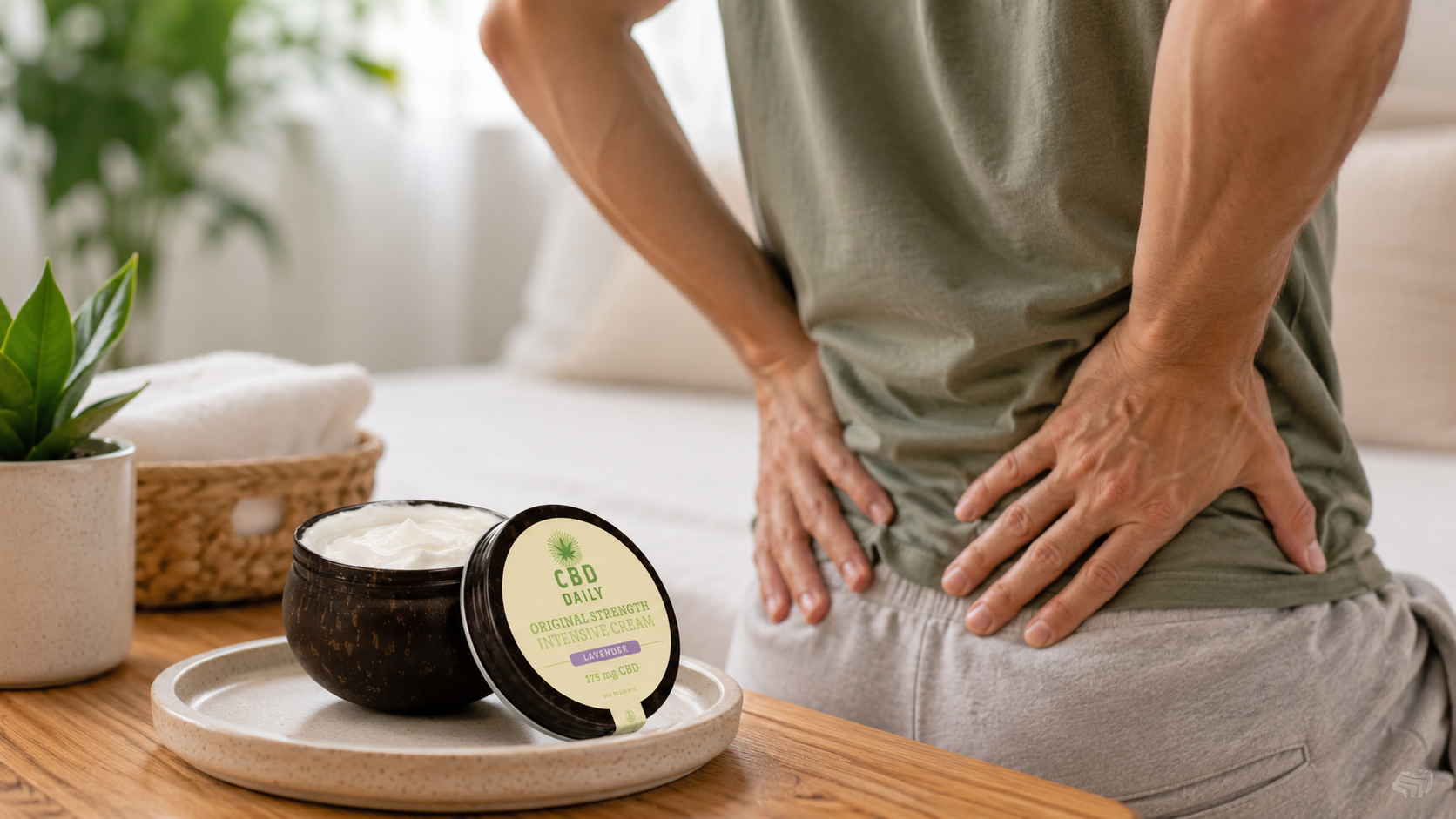
CBD cream beside a bed for an overnight sore muscle recovery routine

Key Takeaways

  • Recovery Habits: Consistent hydration, stretching, and sleep routines may help support overnight post-workout body care and comfort.
  • Evening Relaxation: Warm baths, gentle movement, and calming body care habits can help the body unwind after physical activity.
  • Daily Wellness Support: Balanced nutrition and regular recovery routines may help reduce muscle tightness and support long-term mobility.

Post-workout tightness can happen after workouts, physically demanding schedules, travel, or even everyday activities that place extra strain on the body. While tired muscles are common, they can still make it difficult to relax and feel comfortable at the end of the day. Building a simple evening recovery routine may help support relaxation before bed while encouraging the body to recover overnight. Gentle stretching, hydration, balanced meals, warm baths, and calming body care habits can all become part of a more supportive nighttime routine for overall wellness and comfort.

At Earthly Body, plant-based wellness and body care products are designed to support everyday self-care routines. With naturally derived ingredients, cruelty free formulations, and decades of experience in body care and wellness, the brand continues to create products that fit naturally into active lifestyles and evening recovery habits.

This guide covers how to support tired muscles overnight with simple recovery habits, relaxation techniques, and wellness focused evening routines.

Support Sore Muscles Overnight With an Evening Recovery Routine

Tired muscles can make it difficult to settle into a comfortable evening, especially after demanding workouts, long shifts, travel, or unfamiliar physical activity. Post-workout tightness is a normal response to movement and exercise, but a consistent nighttime routine may help support relaxation and comfort before bed. Gentle stretching, hydration, balanced meals, and calming body care habits can all encourage the body to wind down naturally after a physically active day.

Plant-based wellness routines have become increasingly popular because they fit easily into everyday schedules while supporting self-care and recovery. Instead of waiting until post-activity tightness becomes overwhelming, many people find it helpful to create a simple recovery routine that encourages relaxation each night. Consistency often matters more than intensity when supporting overnight recovery and preparing the body for the next day.

How to Support Sore Muscles After a Long Day or Workout

Post-workout tightness often feels stronger during the evening because the body finally has time to slow down after a busy day. A thoughtful nighttime routine can help encourage relaxation while supporting overall recovery.

Focus on Gentle Movement Before Bed

Complete rest is not always the most comfortable option for tired muscles. Light movement, such as walking, stretching, or yoga, may help encourage circulation while reducing feelings of stiffness. Gentle activity allows the body to stay loose without placing additional stress on tired muscles. Slow stretching sessions before bed may also help release tension that builds throughout the day. Many people find that even a few minutes of controlled movement helps the body feel calmer and more comfortable before sleep.

Create a Calm Evening Recovery Routine

Evening recovery routines work best when they feel realistic and easy to maintain. Taking a warm shower, changing into comfortable clothing, lowering bright lights, and setting aside time to relax can help the body transition into rest mode. Recovery habits do not need to feel complicated to make a difference. Creating a calm environment encourages both physical relaxation and mental rest after demanding activity.

Muscle soreness Relief Tips to Help Your Body Recover Overnight

Post-workout body care often begins with habits that support overall wellness. Recovery is not only about resting tired muscles. It also involves hydration, nutrition, sleep quality, and relaxation throughout the evening.

Stay Hydrated Throughout the Night

Hydration plays an important role in overall muscle function and recovery. Physical activity, heat, and daily movement can all contribute to fluid loss. Drinking water consistently throughout the evening may help support comfort and reduce feelings of tightness the next day. Some people also enjoy herbal tea or electrolyte drinks as part of a relaxing nighttime routine. Staying hydrated supports overall wellness while helping the body recover from daily activity.

Support Recovery With Balanced Nutrition

Balanced meals may help support post-activity routines after physical activity. Protein rich foods are commonly included in post-workout meals because they support muscle maintenance and repair. Fruits, vegetables, healthy fats, and whole grains also provide nutrients that contribute to overall wellness. Magnesium rich foods such as spinach, bananas, nuts, and avocados are often included in recovery focused meal plans because magnesium supports normal muscle function. Pairing hydration with balanced meals can help the body feel more prepared for overnight recovery.

Sore Muscle Support Starts With Hydration And Proper Nutrition

Tired muscle support is often connected to consistent daily habits rather than one quick solution. Evening recovery routines may feel more effective when hydration, movement, nutrition, and rest become part of a balanced lifestyle.

Avoid Habits That Increase Physical Tension

Certain habits may leave the body feeling more tense before bed. Heavy meals late at night, dehydration, and excessive alcohol consumption can contribute to sluggishness or discomfort. Creating a lighter evening routine with nourishing foods and adequate hydration may help support a more comfortable recovery experience. Many people also benefit from limiting screen time before bed to encourage relaxation.

Make Recovery Part of a Weekly Routine

Recovery should not only happen after intense exercise. Adding stretching, hydration, and rest into regular weekly routines may help support long-term comfort and mobility. People with active schedules often benefit from planning recovery days that include light movement and relaxation. Building these habits consistently may help the body feel more balanced over time.

Daily CBD Wellness Essentials

Gentle Stretching Exercises for Muscle soreness Relief Before Bed

Gentle stretching before bed may help encourage relaxation while easing feelings of tightness after physical activity.

  • Stretch the calves against a wall while keeping one heel pressed toward the floor.
  • Loosen tight hamstrings with seated forward folds and slightly bent knees.
  • Release shoulder tension through slow arm circles and neck stretches.
  • Ease lower back tightness by pulling the knees gently toward the chest.
  • Stretch the hips with seated figure four stretches or gentle lunges.
  • Practice slow breathing during stretches to encourage relaxation.
  • Hold stretches steadily without bouncing or forcing movement.

How Heat Therapy And Body Care Can Support Sore Muscles

Warm showers, baths, heating pads, and warm towels may help ease feelings of stiffness while encouraging relaxation before bed. Heat therapy is often paired with calming activities such as stretching or reading as part of an evening recovery routine.

Plant-based lotions, such as our CBD daily intensive cream, massage oils, and moisturizing body care products may also help support relaxation and self-care habits. Gentle massage during application can add to a more soothing nighttime experience.

Sleep Habits That Support Sore Muscle Support and Faster Recovery

Sleep plays an important role in overnight recovery because the body performs many natural repair processes during rest. Creating a calming sleep environment may help support better recovery after physically active days. Comfortable bedding, cooler room temperatures, and reduced lighting can all help encourage relaxation before bed.

Consistent sleep schedules may also help support overall wellness and recovery. Going to bed at similar times each night encourages healthy rest habits that may improve how the body feels the next morning. Some people also prefer supportive pillows or different sleep positions to help reduce pressure on sensitive muscles. Small adjustments to the sleep environment may contribute to greater comfort overnight.

How to Support Sore Muscles Overnight With Consistent Self Care

Learning how to support tired muscles overnight often starts with supportive daily habits. While post-activity tightness may not disappear immediately, gentle stretching, hydration, balanced meals, warm baths, and calming body care routines may help encourage comfort and relaxation before bed. Consistent recovery habits such as mobility work, massage, and proper sleep paired with our triple strength CBD daily intensive cream can also help support active lifestyles and everyday wellness over time.

Natural, Effective Skin Solutions

Final Thoughts

Recovering from tired muscles overnight often comes down to consistency and simple self-care habits. Gentle stretching, hydration, balanced nutrition, restful sleep, and calming evening routines can all help support comfort after physical activity. Creating time to slow down and care for the body each night may help support long-term wellness while making recovery feel like a natural part of everyday life.

Frequently Asked Questions About How to Soothe Sore Muscles Overnight

Can tired muscles feel worse at night?

Yes, post-workout tightness may feel more noticeable at night because the body is no longer distracted by daily movement and activity. Resting muscles can make tightness easier to notice.

How long does post-workout tightness usually last?

Mild post-workout tightness often lasts between one and three days, depending on the intensity of the activity and the body’s recovery habits.

Is it better to use heat or cold for tired muscles?

Heat is commonly used to encourage relaxation and ease tightness, while cold therapy is often preferred immediately after intense activity to help cool and calm overworked areas.

Does drinking water really help post-workout tightness?

Staying hydrated supports overall muscle function and recovery. Water helps the body maintain balance after physical activity and may reduce feelings of stiffness.

Can poor sleep make post-workout tightness feel worse?

Yes, limited or interrupted sleep may affect how the body recovers overnight. Rest plays an important role in supporting overall physical recovery and wellness.

Are massages helpful for tired muscle support?

A gentle massage may help encourage relaxation and reduce tension in tired muscles. Many people include massage as part of a calming evening recovery routine.

Should you exercise while your muscles are sore?

Light activity and gentle movement may feel more comfortable than complete inactivity. Intense exercise on already strained muscles may increase tightness or discomfort.

What foods may help support post-workout body care?

Protein rich foods, fruits, vegetables, healthy fats, and magnesium rich ingredients are often included in recovery focused meal plans that support overall wellness.

Can stretching before bed help tired muscles?

Gentle stretching before bed may help improve flexibility, encourage circulation, and support relaxation after physically demanding activity.

What causes delayed post-workout tightness after exercise?

Delayed post-workout tightness often happens after new or intense physical activity that challenges the muscles more than usual. Symptoms commonly appear several hours after exercise.

Disclaimer: The information provided in this article is for educational and informational purposes only and is not intended to constitute medical advice. The statements made about products or ingredients have not been evaluated by the U.S. Food and Drug Administration. Cosmetic products are not intended to diagnose, treat, cure, or prevent any disease, and individual results may vary. Always read product labels and ingredient lists carefully, and consult a qualified healthcare professional before using any product if you have concerns, sensitivities, or medical conditions. This article does not replace professional medical advice, diagnosis, or treatment.

Posted on Leave a comment

What Shoppers Mean When They Search For CBD Cream For Arthritis And Joint Pain

Best CBD Cream For Arthritis Joint Pain

Key Takeaways

  • Product Quality: A quality CBD cream for joint-focused body care often starts with responsibly sourced hemp-derived CBD and transparent manufacturing practices.
  • Ingredient Selection: Botanical extracts, moisturizing oils, and skin-conditioning ingredients can contribute to a more well-rounded topical formula.
  • Smart Shopping: Reviewing third-party testing, ingredient labels, and formulation details helps you choose products that fit your wellness routine.

Many shoppers search for phrases like “CBD cream for arthritis and joint pain” when comparing topical CBD products for joint-focused routines. This article uses that phrase as shopper search language, not as a product claim. CBD Daily products are hemp-derived topical body care products designed for therapeutic relief, soothing sensation, massage, moisturization, cooling sensory feel, targeted application, and everyday or post-activity routines; they are not intended to diagnose, treat, cure, or prevent arthritis, joint pain, or any medical condition.

CBD creams have emerged as a popular choice, combining hemp-derived CBD with moisturizing botanicals in a format that’s simple to use and easy to incorporate into a busy schedule. At Earthly Body, we have decades of experience creating plant-based wellness, body care, and beauty products. Our commitment to ingredient transparency, high-quality formulations, and hemp-derived innovation has enabled us to develop offerings designed to support modern self-care routines.

Below, we’ll cover what shoppers may be comparing when they search for CBD cream for arthritis and joint pain, and the key topical body care factors to consider when comparing products.

Daily CBD Wellness Essentials

What To Look For In A CBD Cream For Joint-Focused Body Care

Not all CBD creams are formulated with the same standards. Here are a few key factors are worth evaluating before you commit to any product.

Quality CBD And Responsible Sourcing

First and foremost, the source of the CBD matters. Brands that share details about their hemp sourcing and manufacturing practices demonstrate a stronger commitment to transparency. At Earthly Body, all CBD Daily products use 100% natural, hemp-derived CBD that is THC-free and third-party tested for accurate potency, so you always know what you’re applying. To learn more about CBD’s perceived soothing and relaxing properties, our article on the benefits of topical CBD is a helpful resource.

Third-Party Testing And Transparent Labeling

Independent lab testing verifies cannabinoid content and provides an additional layer of confidence in a product’s quality. Clear ingredient lists are equally important. If a brand makes it easy to understand exactly what’s in their formula, that’s a good sign. If you have to dig for that information, take note.

Supporting Ingredients Beyond CBD

CBD in a topical cream is only one part of the overall product experience. A well-rounded formula typically includes moisturizing oils, botanical extracts, and skin-conditioning ingredients that make the product more enjoyable and effective to use. Common supporting ingredients worth looking for include hemp seed oil, shea butter, and essential oils that contribute to a pleasantly smooth sensory experience.

How CBD Cream Fits Into A Joint-Focused Body Care Routine

A CBD topical for joint-focused routines can fit well when it becomes part of a consistent daily habit. Our CBD Daily Intensive Cream is formulated with lavender oil and shea butter alongside hemp-derived CBD, designed for exactly this kind of everyday use. Available in multiple scents and sizes, it absorbs without leaving a residue, and the formula is 100% vegan and PETA Certified Cruelty Free. Some people apply it after a shower when the skin is warm and receptive. Others incorporate it into a post-activity or pre-bed wind-down routine. The format is flexible, so there’s no single right way, as long as you’re using it regularly.

For CBD cream for knees, hands, or other commonly used joints, applying after gentle stretching or movement can make the experience feel more intentional and complete. Massage the product in using slow, circular motions, which simultaneously supports absorption and turns the application into a small act of deliberate self-care.

Natural, Effective Skin Solutions

Comparing CBD Lotion For Joint-Focused Body Care Options

Once you’ve identified what to look for, comparing specific products comes down to a few practical considerations.

Texture And Absorption

Some creams are lightweight and absorb quickly, making them excellent for daytime use when you’re on the move. Others are richer and provide longer-lasting moisture, which some people prefer for evening routines. Think about when and where you plan to apply the product most, and let that guide your texture preference.

CBD Concentration

Products vary in strength, and CBD content is displayed differently across brands. Reviewing the total milligrams per container and the serving size gives you the clearest picture of what you’re getting. For targeted areas such as the knees or hands, a higher-concentration formula may be preferable. For daily all-over use, a lighter strength often works well. For a more specific breakdown of CBD cream options by body area, our best CBD creams for back, neck, knees, and more guide covers the full range.

Scent And Sensory Experience

This matters more than it might seem. A cream you love using is one you’ll reach for without thinking twice, and consistency is where the value of any topical wellness product really lives. Essential oil blends like lavender and mint add a sensory dimension that can make application feel like a moment of care rather than a chore. For those with sensitivities, fragrance-free or lightly scented options are worth seeking out.

Hemp Seed Skin And Body Collection

Final Thoughts

Finding a CBD cream for joint-focused body care isn’t just about picking the highest CBD count on the label. It’s about evaluating the full formula, which includes quality sourcing, transparent testing, skin-nourishing botanicals, and a texture you’ll enjoy using every day. A product that checks all of those boxes is one that can become a reliable part of your daily wellness routine.

Frequently Asked Questions About The CBD Cream For Joint-Focused Body Care

What is the difference between CBD cream and CBD balm?

CBD creams typically contain more water-based ingredients, giving them a lighter texture that absorbs relatively quickly. Balms are usually thicker and contain a higher concentration of oils and waxes, creating a richer feel that sits on the skin longer.

Can CBD cream be used on more than one area of the body?

Yes. Many topical CBD products are designed for use on various areas of the body, including the knees, shoulders, elbows, and hands. Always follow the product’s usage instructions.

How often should CBD cream be applied?

It depends on the product and your routine. Some people apply once daily; others use it multiple times throughout the day. Product instructions are the best guide.

Does the scent of a CBD cream affect its quality?

Not necessarily. Fragrance usually comes from essential oils added to the formula. Quality is better evaluated through ingredient transparency, sourcing, and third-party testing.

Can CBD cream be used alongside other skincare products?

In many cases, CBD cream can be incorporated into an existing skincare or body care routine. Reviewing product directions and ingredient lists can help determine how it fits with other products you use regularly.

Can CBD cream be used before or after physical activity?

Many people choose to apply CBD cream before or after exercise, stretching, or other physical activities as part of their personal wellness routine. Usage often depends on individual preference and product instructions.

How should CBD cream be stored?

Most CBD creams should be stored in a cool, dry place away from direct sunlight and excessive heat. Proper storage can help maintain the product’s consistency and overall quality.

Disclaimer: The information provided in this article is for educational and informational purposes only and is not intended to constitute medical advice. The statements made about products or ingredients have not been evaluated by the U.S. Food and Drug Administration. Cosmetic products are not intended to diagnose, treat, cure, or prevent any disease, and individual results may vary. Always read product labels and ingredient lists carefully, and consult a qualified healthcare professional before using any product if you have concerns, sensitivities, or medical conditions. This article does not replace professional medical advice, diagnosis, or treatment.

Posted on Leave a comment

Muscle Soreness and Post-Workout Body Care: How CBD Topicals Fit Into Your Routine

CBD Topical Cream For Muscle Soreness Relief

Key Takeaways

  • Recovery Routine: Post-workout body care is most effective when CBD topicals are paired with healthy habits like hydration, rest, and mobility work.
  • Topical Options: Creams, balms, and sprays offer different application experiences, so you can choose a format that suits your lifestyle.
  • Plant-Based Wellness: CBD topicals offer a convenient way to incorporate hemp-derived ingredients into your post-workout self-care.

Post-workout tightness typically appears several hours after physical activity and can linger for a day or two. It’s a normal response to the demands placed on the body during exercise, especially after challenging sessions, new movements, or extended time on your feet. Recovery matters because it keeps you consistent. Without it, the cumulative effect of activity without adequate rest can lead to less motivation. Most people find that a combination of hydration, nutrition, quality sleep, and mobility work does the most to support post-activity routines, and many are now adding plant-based topicals to that mix as a targeted complement to those foundational habits.

At Earthly Body, we’ve spent decades developing plant-based wellness and personal care products designed to fit seamlessly into everyday routines. Through our CBD Daily collection, we combine hemp-derived CBD with thoughtfully selected ingredients, creating topicals that reflect our commitment to quality, transparency, and accessible wellness.

Below, we’ll cover what shoppers may mean when they search for muscle soreness relief, how post-workout body care fits into an active lifestyle, and how CBD topicals may support your routine.

Natural, Effective Skin Solutions

How CBD For Post-Workout Body Care Fits Into An Active Lifestyle

CBD topicals are applied directly to the skin, making them a localized option distinct from ingestible wellness products. For those interested in adding hemp-derived ingredients to their post-workout routine, a topical is one of the most straightforward entry points. To understand more about how topical CBD works on the skin, our benefits of topical CBD guide is a helpful starting point.

What makes a CBD post-workout cream particularly appealing for active individuals is their flexibility. They can be applied after exercise as part of a cooldown, worked into an evening wind-down, or used whenever a specific area of the body needs a little extra attention. Plus, they don’t require any additional steps or major changes to an existing routine. Instead, they simply slot in alongside what you’re already doing.

Choosing Between A CBD Muscle Balm, Cream, Or Spray

One of the first decisions when researching CBD topicals for muscle soreness and post-workout body care is the format. Each option has its own texture, application style, and best-use case.

Post-Workout Cream

A post-workout cream typically has a lighter, more spreadable consistency that works well for covering broader areas like the thighs, calves, or back. It absorbs relatively quickly and layers easily under clothing, making it practical for daytime or post-shower use. Our CBD Daily Intensive Cream is a go-to in this category. Enriched with lavender oil and shea butter alongside hemp-derived CBD, it nourishes the skin while delivering a soothing sensory experience that makes application feel intentional rather than perfunctory. Better yet, it’s THC-free, 100% vegan, third-party tested, and PETA Certified Cruelty Free for your peace of mind.

CBD Muscle Balm

A CBD balm tends to have a thicker, waxier consistency suited to more targeted application. If a specific joint or muscle group needs focused attention after activity, a balm allows you to concentrate product in one area without spreading it further. Balms are also typically compact and portable, making them easy to keep in a gym bag or travel kit.

Spray

For hard-to-reach areas like the mid-back, for example, a spray format offers a hands-free, mess-free alternative. It’s one of the faster formats to apply and works well when you want to cover an area quickly and get on with your day.

Hemp Seed Skin And Body Collection

How To Find The Best Topical For Sore Muscles And Post-Workout Body Care

The best topical for sore muscles and post-workout body care is ultimately the one you’ll use consistently. A few factors can help narrow down the right fit:

  • Texture Preference: Do you prefer something that spreads easily or something with more concentrated application? Generally speaking, creams and lotions favor broader coverage, while balms suit targeted use.
  • Timing: Morning routines may call for a lighter, fast-absorbing formula, whereas evening use can accommodate something richer. Think about when you’re most likely to reach for it to guide your choice.
  • Scent: This matters more than it seems. A product with a scent you enjoy is one you’ll actually want to use. Our CBD Daily line includes options like Mint, Sandalwood, Grapefruit Mint, and Lavender.
  • Concentration: CBD content varies across products. Starting with a moderate strength and adjusting based on experience is a practical approach for those newer to CBD topicals. Browse our full CBD Creams & Lotions collection to compare options side by side.

Tips For Building A Recovery Routine That Sticks

Adding a CBD topical to your recovery habits works best when it’s built around other mindful practices rather than viewed as a standalone solution. Here are a few simple habits to build around it:

  • Apply Shortly After Activity: It’s best to put on your preferred cream while your skin is warm and your circulation is elevated, as this may support absorption.
  • Massage Thoroughly: Work the cream into the target area using slow, circular motions to support even distribution.
  • Pair With Stretching Or Mobility Work: This contributes to a more complete post-workout ritual.
  • Drink Water Before And After Application: Hydration supports skin and overall recovery, so it’s always a good rule of thumb to keep your fluid levels up.
  • Be Consistent: Like most wellness practices, regular use over time is more meaningful than occasional heavy applications.
Daily CBD Wellness Essentials

Final Thoughts

Post-workout tightness is a normal part of an active life, and a thoughtful recovery routine is one of the best ways to stay consistent with physical activity over the long-term. CBD topicals offer a plant-based, easy-to-use addition to those recovery habits, particularly for people who already value ingredient transparency and plant-forward personal care. Whether you prefer a cream, balm, or spray, the most important thing is finding a format you’ll actually use regularly.

Frequently Asked Questions About Muscle soreness Relief

Can beginners use CBD topicals for muscle soreness and post-workout body care?

Yes. CBD topicals can be incorporated into recovery routines at any fitness level. They’re applied topically and don’t produce any systemic effects, making them straightforward to try.

How often can I apply a CBD topical?

Application frequency varies by product, so always follow directions on the label. Most are suitable for daily use and can be applied after activity or as part of an evening routine.

Can I use a CBD topical before a workout?

Some people do incorporate them into a pre-workout warm-up routine. Following product directions is the best guide.

What’s the difference between a CBD cream and a CBD balm?

Creams have a lighter texture and spread easily across larger areas. Balms are thicker and better suited for targeted application on specific spots.

Are CBD topicals suitable for everyday use?

Most CBD topicals are designed for regular use and can easily fit into daily wellness practices. Many individuals apply them after exercise, during self-care routines, or whenever they want additional skin nourishment.

How should I store CBD topicals?

Store in a cool, dry place away from direct sunlight to maintain product consistency and ingredient quality over time.

How do I choose the right CBD topical for my lifestyle?

Consider factors such as application preference, texture, portability, ingredient profile, and how you plan to use the product. Choosing a format that fits seamlessly into your routine can make consistent use easier.

Disclaimer: The information provided in this article is for educational and informational purposes only and is not intended to constitute medical advice. The statements made about products or ingredients have not been evaluated by the U.S. Food and Drug Administration. Cosmetic products are not intended to diagnose, treat, cure, or prevent any disease, and individual results may vary. Always read product labels and ingredient lists carefully, and consult a qualified healthcare professional before using any product if you have concerns, sensitivities, or medical conditions. This article does not replace professional medical advice, diagnosis, or treatment.

Posted on Leave a comment

CBD Cream For Muscle Pain: How To Soothe Post-Workout Soreness Naturally

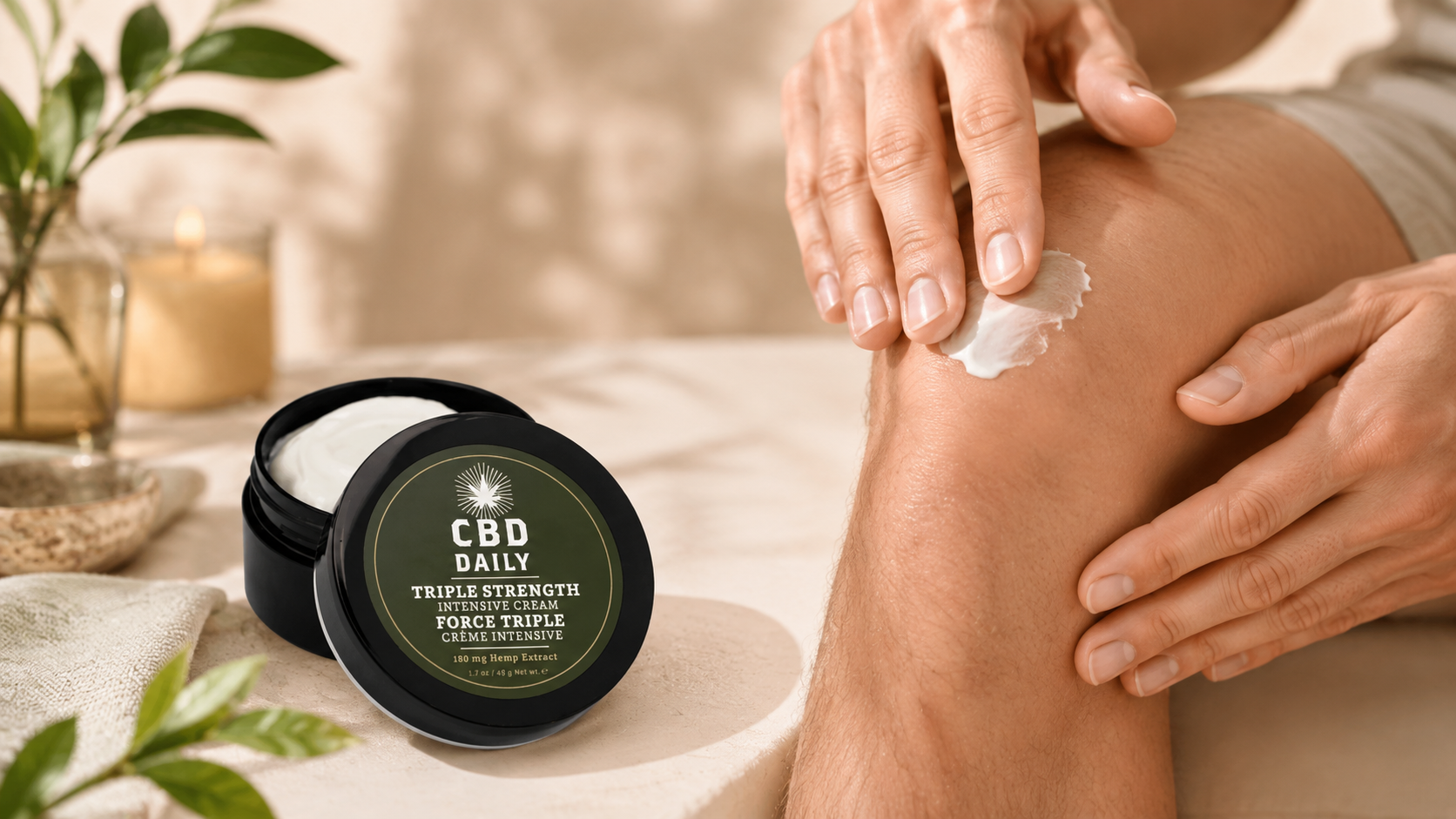
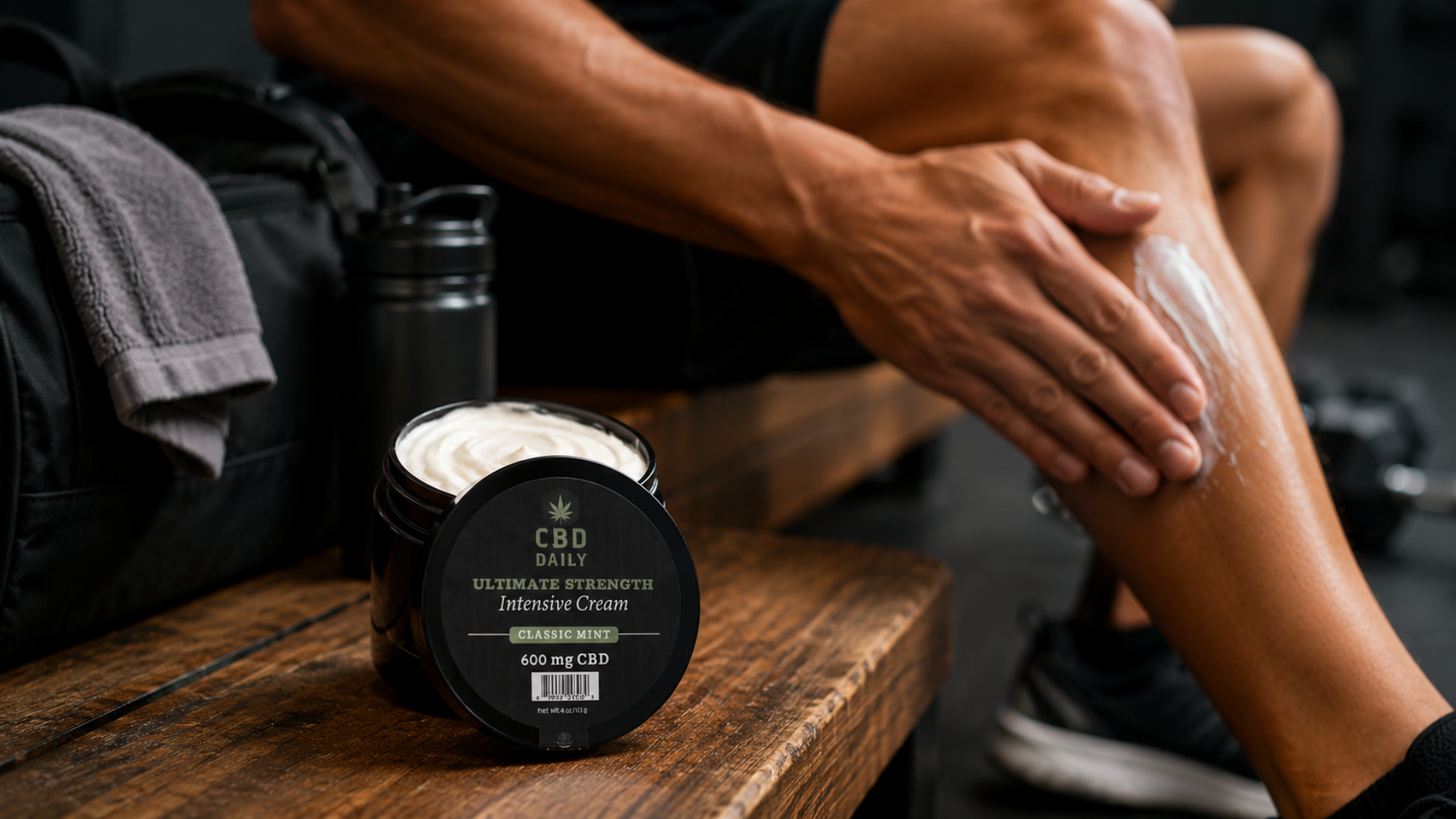
Person Applying CBD Cream For Muscle Pain On Their Calf

Definition: CBD cream for muscle pain is a topical product applied directly to areas of the body that experience soreness after physical activity. Instead of being ingested, the cream is applied to the skin to provide localized topical support.

Science Behind It: CBD interacts with the body’s endocannabinoid system, which plays a role in maintaining balance across many physiological processes. When CBD is applied topically, it interacts primarily with receptors found in the skin rather than entering the bloodstream. Because of this localized interaction, CBD cream for sore muscles is often used after workouts or physical activity as part of a recovery routine.

Examples:

  • Post-Leg Day Recovery: Applying CBD cream for muscle pain to the quads or hamstrings after leg day can help support recovery following intense lower-body workouts.
  • Upper Body Training Support: Using CBD for workout recovery on the shoulders and upper back may help address muscle tension after strength training sessions.
  • Evening Recovery Routine: Incorporating a CBD muscle recovery cream into an evening self-care routine can help the body unwind after physically demanding workdays.

Interesting Fact: As interest in plant-based wellness continues to grow, CBD muscle recovery products have gained attention among athletes, fitness enthusiasts, and active individuals looking for topical options that can be incorporated into post-exercise recovery habits.

Key Takeaways

  • Targeted Support: CBD cream for muscle pain is applied directly to specific areas for localized post-workout care.
  • Routine Integration: CBD for workout recovery fits easily into daily wellness habits alongside gentle stretching and proper hydration.
  • Formulas Inspired By Nature: Plant-derived CBD muscle recovery products combine hemp-based CBD with other botanical ingredients for balanced topical support.

Muscle soreness is a natural part of an active life. When you challenge your body through strength training, cardio, long physical shifts, or a new workout, small amounts of stress are placed on muscle fibers. As the body responds and repairs, tightness often follows. This is a normal part of how muscles adapt and grow stronger over time.

CBD cream for muscle pain is a topical product designed to be applied directly to those overworked areas, such as the legs, shoulders, lower back, or wherever you feel it most. Unlike ingestible CBD, a topical cream works at the skin level, interacting with receptors in the applied area rather than circulating through the body. This localized approach makes it a practical option for people looking to incorporate plant-based body care into their post-workout or end-of-day routine. When paired with hydration, stretching, and rest, it can become a simple, consistent part of a well-rounded recovery strategy.

At Earthly Body, we bring decades of experience in plant-based body care and hemp-derived wellness products. Our formulations reflect our commitment to ingredient transparency, responsible sourcing, and performance-driven results designed for everyday use. Here, we’ll walk through how CBD cream for muscle pain works, what the research suggests about topical CBD, and how to build it into your recovery routine.

What Causes Post-Workout Soreness?

Delayed onset muscle soreness (DOMS) occurs when physical activity places stress on muscle fibers. During exercise, particularly resistance training or unfamiliar movements, small amounts of microscopic damage occur in muscle tissue. As the body responds and repairs, you may experience tightness, tenderness, or stiffness typically within the first 24 hours of activity, with discomfort typically peaking at 24 to 72 hours (Hotfiel et al., 2018). This is a normal part of the adaptation process.

Use CBD Spray To Help Ease The Pain From Sore Muscles

How CBD For Muscle Pain Works On Overworked Muscles

CBD creams are applied directly to the skin over specific areas such as the legs, shoulders, or lower back. Unlike ingestible CBD products, topical CBD does not enter the bloodstream. Instead, it interacts with receptors in the skin at the site of application. This localized approach makes CBD cream for sore muscles an appealing option for those who want focused support exactly where everyday tension is present.

The Body’s Endocannabinoid System And Topical CBD

The body contains an endocannabinoid system (ECS), which is a network of receptors involved in maintaining internal balance. Research suggests that the ECS plays a role in a range of physiological processes, and that cannabinoid receptors are present not only throughout the body but also in the skin (Bíró et al., 2009). When CBD is applied topically, it interacts with these receptors locally rather than systemically. This makes CBD for muscle pain a targeted option, distinct from ingestible or inhaled formats. To understand more about how this process works on a cellular level, see our guide on how CBD interacts with the endocannabinoid system.

Why Targeted Application Matters For Active Lifestyles

Recovery is often about precision. After strength training, long runs, or high-intensity workouts, certain muscle groups may need extra attention. Using CBD for muscle pain topically allows you to concentrate on those areas without adding complex steps to your routine. When paired with stretching, hydration, and rest, CBD muscle recovery can become a seamless part of post-workout care.

How CBD For Workout Recovery Supports Daily Movement

Recovery plays a direct role in how you feel and move from one training session to the next. Adding CBD for workout recovery to your routine can support consistency and everyday comfort between workouts. Here’s how it fits in:

  • Targeted Muscle Support: CBD cream for muscle pain can be applied directly to overworked or tense areas to provide focused coverage where it’s needed.
  • Easy Routine Integration: This type of topical fits wonderfully into post-workout or post-shower routines without requiring extra steps or complicated preparation.
  • Complements Recovery Practices: Using a topical cream can work alongside stretching, foam rolling, and proper hydration as part of a well-rounded recovery routine.
  • Supports Active Lifestyles: Many active individuals use CBD creams to help manage recurring daily tension that develops in specific muscle groups after physical activity.
  • Plant-Based Topical Option: A CBD topical can also serve as a plant-based alternative for those who prefer wellness products with clearly labeled, ingredient-transparent formulations.
Elevate Your Skincare With CBD Cream For Muscle Pain

Choosing The Right CBD Cream For Muscle Pain

When selecting a CBD cream for muscle pain, a few key factors are worth considering. For a more detailed breakdown of what to look for before purchasing, our dedicated CBD cream buying guide is a helpful resource.

Labeled CBD Content And Ingredient Transparency

Look for clearly listed CBD milligrams per container and a transparent ingredient list. Products that are third-party tested offer an additional layer of confidence that the labeled potency is accurate. All Earthly Body CBD Daily products are third-party tested, 100% vegan, cruelty-free, and THC-free.

Texture And Format

Rich creams are well-suited for covering larger areas like the thighs, calves, or back while also providing nourishing hydration for the skin. Lighter serums or roll-ons may absorb more quickly and work well for smaller, targeted areas. Choosing a format that feels comfortable in your routine makes it easier to stay consistent.

Why CBD Cream For Sore Muscles Is A Popular Choice After Intense Training

Intense workouts can leave specific muscle groups feeling tired. CBD cream for sore muscles offers a practical, plant-based option for localized topical support that many active individuals have incorporated alongside other recovery practices.

Focused Support For High-Impact Areas

Heavy lifts, long runs, cycling sessions, or high-intensity classes often target the same muscle groups repeatedly. Applying CBD cream directly to the quads, hamstrings, shoulders, or back allows for targeted, precise application. For a deeper look at how touch and topical care can complement recovery, we recommend looking into thebenefits of a CBD massage.

A Plant-Based Addition To CBD Muscle Recovery

At Earthly Body, our topicals are formulated with hemp-derived CBD and complementary botanical ingredients that align with active lifestyles. Our approach to CBD muscle recovery supports both skin nourishment and post-workout body care in one step. Used consistently, CBD cream for sore muscles can become part of a balanced recovery plan that also includes mobility work, hydration, and rest.

Earthly Body CBD Daily Options For Post-Workout Care

If you’re researching plant-based options for your recovery routine, our CBD Daily line offers a range of formats and strengths.

  • CBD Daily Ultimate Strength Rapid Relief Roll-On: This convenient roll-on format delivers targeted, fast-absorbing comfort for on-the-go application. If you’re looking to tackle everyday tension or soreness wherever you go, this mess-free roll-on provides 600 mg of hemp-derived CBD and a refreshing essential oil blend containing menthol plus peppermint.
  • CBD Daily Intensive Cream Ultimate Strength: For home use, this rich, creamy formula is enriched with lavender oil and shea butter to keep your skin supple and moisturized. It provides the same soothing sensation, plus it’s packed with high-potency 100% natural CBD. 
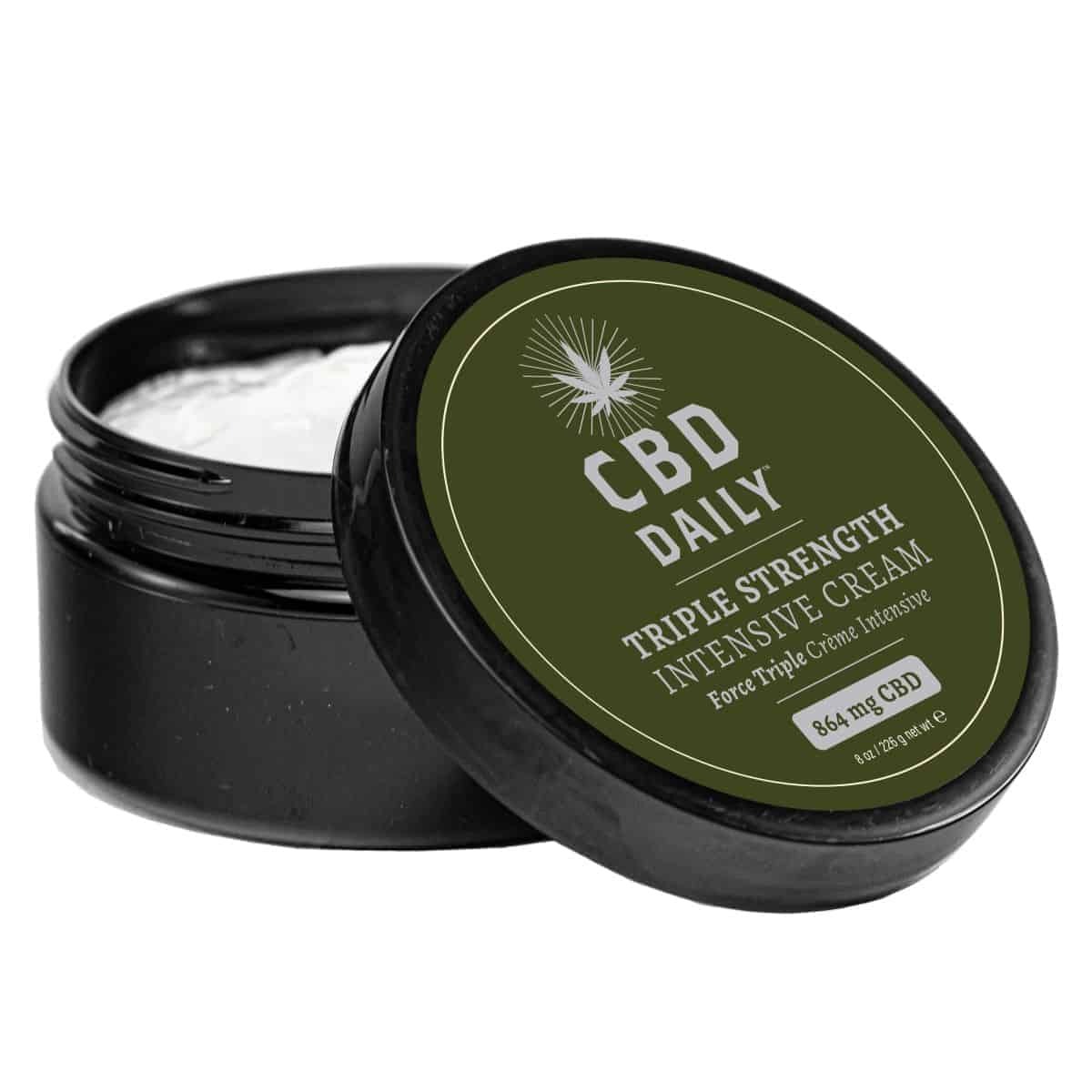
  • CBD Daily Intensive Cream Triple Strength: Available in three sizes (0.5 oz / 54 mg CBD, 1.7 oz / 180 mg CBD, 8 oz / 864 mg CBD) and two equally pleasant fragrances, this is a trusted everyday option for those looking for a reliable daily-use cream. 

All of the above are 100% vegan, PETA-Certified Cruelty-Free, THC-free, and third-party tested. For more on the best options for specific areas like the back and neck, visit our guide to the best CBD cream for back and neck pain.

Rest And Relax With Soothing CBD Serum

Building A Consistent CBD Muscle Recovery Routine

Consistency is the foundation of any effective recovery plan. Applying CBD cream for sore muscles shortly after workouts or at the end of physically demanding days can help make CBD muscle recovery an expected part of your routine. Here’s a few simple habits to build around it:

  1. Start With Clean Skin: Apply the cream to dry skin and massage it thoroughly into the target area to support even absorption.
  2. Focus On High-Strain Areas: Direct the application to areas that commonly experience repeated strain, such as the legs, shoulders, or lower back.
  3. Pair With Recovery Practices: Using the cream alongside stretching or foam rolling can help create a more complete recovery routine.
  4. Support Recovery With Hydration: Follow your recovery session with proper hydration and adequate rest to help the body recover after physical activity.
  5. Use Consistently: Apply the cream regularly rather than waiting until soreness peaks, as consistent use helps maintain a steady recovery routine.

Over time, integrating these steps into your schedule supports steady movement, performance, and everyday comfort without overcomplicating your wellness routine.

Frequently Asked Questions About CBD Cream For Muscle Pain

What is CBD cream for muscle pain used for?

CBD cream for muscle pain is a topical product applied directly to areas experiencing post-exercise tension or fatigue. It is commonly used as part of a recovery routine to support comfort in specific muscle groups after physical activity.

Can CBD cream for sore muscles be used before a workout?

Some individuals apply CBD cream for sore muscles before exercise as part of their warm-up routine. Always follow product label instructions and assess how your skin responds.

How often should I apply CBD cream for muscle pain?

Application frequency depends on personal preference and activity level. Many people apply after workouts or once daily to areas that experience repeated strain.

Is CBD muscle recovery suitable for beginners?

Topical CBD can usually be incorporated into a broader recovery routine by individuals at all fitness levels. As with any new body care product, reviewing the ingredient list and performing a patch test is a good starting point.

Can I use CBD for workout recovery every day?

Yes, CBD for workout recovery can be used as part of a consistent daily routine, especially for those with active lifestyles. Regular use fits great into post-shower or evening self-care practices.

Does CBD cream for sore muscles absorb quickly?

Absorption time varies by formulation. Lighter roll-ons and serums typically absorb faster, while richer creams may take slightly longer and provide additional skin hydration.

Can CBD muscle recovery products be used alongside other recovery methods?

Yes. CBD muscle recovery topicals are often used alongside stretching, massage, and proper nutrition. They are designed to complement an overall recovery strategy, not replace foundational wellness habits.

How do I choose the right strength for my CBD cream for muscle pain?

Strength selection depends on personal preference and activity level. Reviewing labeled CBD content and usage directions can help you find a good fit for your routine.

Sources:

  1. Hotfiel, T., Freiwald, J., Hoppe, M., Lutter, C., Forst, R., Grim, C., Bloch, W., Hüttel, M., & Heiß, R. (2018). Advances in delayed-onset muscle soreness (DOMS): Part I: Pathogenesis and diagnostics. Sportverletzung · Sportschaden, 32(4), 243–250. https://doi.org/10.1055/a-0753-1884
  2. Bíró, T., Tóth, B. I., Haskó, G., Paus, R., & Pacher, P. (2009). The endocannabinoid system of the skin in health and disease: Novel perspectives and therapeutic opportunities. Trends in Pharmacological Sciences, 30(8), 411–420.https://doi.org/10.1016/j.tips.2009.05.004

Disclaimer: The information provided in this article is for educational and informational purposes only and is not intended to constitute medical advice. The statements made about products or ingredients have not been evaluated by the U.S. Food and Drug Administration. Cosmetic products are not intended to diagnose, treat, cure, or prevent any disease, and individual results may vary. Always read product labels and ingredient lists carefully, and consult a qualified healthcare professional before using any product if you have concerns, sensitivities, or medical conditions. This article does not replace professional medical advice, diagnosis, or treatment.

Posted on Leave a comment

Does CBD Cream Work for Pain? What the Science Actually Says

CBD cream in a lab setting for pain research.

Definition: CBD cream is a topical product applied directly to the skin that may support localized muscle and joint comfort. Because it is used on specific areas of the body, such as the shoulders, knees, or lower back, it is commonly incorporated into body care or recovery routines after physical activity.

Science Behind It: CBD interacts with the body’s endocannabinoid system, which helps regulate balance across many biological processes. When CBD is applied topically, it interacts primarily with receptors located in the skin rather than entering the bloodstream.

Examples:

  • Post-Activity Use: Applying CBD cream to sore shoulders or the lower back after a long day of physical activity or desk work can help provide relief.
  • Exercise Recovery: Using CBD cream on the knees, calves, or wrists after workouts or repetitive movements can provide a soothing sensation.
  • Routine Body Care: Incorporating a topical CBD product into a regular muscle recovery or evening self-care routine can be a relaxing part of your day.

Interesting Fact: Unlike ingestible CBD products, topical CBD creams are designed to stay localized where they are applied. This allows people to focus the application on specific areas, like the shoulders, knees, or lower back, without affecting the rest of the body.

Key Takeaways

  • Topical application: CBD cream is applied directly to the skin and interacts with receptors locally rather than systemically.
  • Endocannabinoid system: The body’s ECS plays a role in a range of physiological processes; CBD engages with receptors present in the skin.
  • Emerging research: Studies are ongoing, and most current evidence comes from preclinical research. Topical CBD is not a medical treatment.
  • Practical use: CBD cream is best understood as a plant-based body care product that can complement recovery routines alongside hydration, rest, and movement.

CBD cream is a topical product infused with cannabidiol (CBD), a naturally occurring compound derived from the hemp plant. Unlike THC, CBD is non-psychoactive, meaning it does not produce a “high.” When applied to the skin, CBD interacts with receptors in the applied area rather than entering the bloodstream, making it a localized option distinct from ingestible or inhaled CBD formats.

Interest in CBD topicals has grown steadily alongside broader interest in plant-based wellness. Many people reach for CBD cream as part of a self-care routine focused on targeted comfort, applying it to areas like the lower back, knees, or shoulders after physical activity or a long day. But a reasonable question follows: Does CBD cream work for pain, and what does the science say?

The honest answer is nuanced. Research into topical CBD is still developing, and most studies to date have been conducted on animals or in early-stage human trials. What the existing science does suggest is that CBD interacts with the body’s endocannabinoid system (ECS) in ways that may support localized comfort. At Earthly Body, we believe in giving you the clearest, most accurate picture of what CBD cream is, how it works, and how to use it responsibly as part of a balanced routine.

Rest And Relax With Soothing CBD Serum

How Does CBD Cream Work?

If you’ve been wondering, “Does CBD cream work?” It helps to start with where it goes and where it doesn’t. When you apply a topical CBD product to your skin, most of the CBD does not penetrate deeply enough to reach the bloodstream in any meaningful amount. Instead, it interacts with cannabinoid receptors in the skin itself.

The Skin’s Endocannabinoid System And Topical CBD

The skin is home to a localized version of the body’s endocannabinoid system, including CB1 and CB2 receptors found in epidermal keratinocytes, sensory nerve fibers, and other skin structures (Bíró et al., 2009). CBD binds to and influences these receptors at the site of application, which is why topical CBD is often described as a localized rather than systemic option. Many CBD creams also include complementary ingredients, such as essential oils or shea butter, that contribute their own moisturizing and sensory effects. The overall experience of using a CBD cream often reflects the combined properties of the full formula, not CBD alone.

Why Knowing CBD Basics Matters

Because CBD skincare is still a developing area of research, many people start by learning the fundamentals before browsing specific products. If you’re interested in expanding your understanding of the topic, you might enjoy learning 5 facts about CBD you may not know, which highlights lesser-known aspects of how CBD interacts with the body, its use cases for animals, and more.

How Does CBD Cream Work For Pain? The Science Behind CBD Pain Cream

The question of how CBD cream works specifically in the context of discomfort comes down to the endocannabinoid system and its role in the skin’s response to physical stress.

The Endocannabinoid System And Pain

The endocannabinoid system is a network of receptors, enzymes, and signaling molecules found throughout the body. Research suggests it plays an important role in regulating inflammation and sensory signaling, including processes related to pain and itch (Bíró et al., 2009).

Cannabinoid receptors, particularly CB2, are found in immune cells and other tissues, and studies suggest these receptors help modulate immune activity and inflammatory signaling in the skin (Bíró et al., 2009). Because the skin contains both immune cells and sensory nerve endings, the ECS is thought to influence how the body responds to inflammatory and sensory stimuli. For a deeper dive into how the ECS functions, see our article on the endocannabinoid system: a bridge between body and mind.

How Does Topical CBD Reduce Pain?

When applied to the skin, CBD can interact with components of the endocannabinoid system. Preclinical research provides some insight into this process. In one animal study, transdermal CBD application was associated with reductions in inflammatory markers and improvements in behavioral indicators of discomfort in a rat arthritis model (Hammell et al., 2016). This particular study observed dose-dependent decreases in joint swelling, inflammation, and pain-related behaviors (Hammell et al., 2016).

While these findings are promising, it is important to note that animal studies do not automatically translate to equivalent effects in humans, and more robust clinical research is still needed. Current evidence suggests that topical cannabinoids may influence inflammatory and sensory signaling in the skin, but the full mechanisms are still being looked into.

How Long Does CBD Cream Take To Work?

So, how long does it take for CBD cream to work? The answer depends on a few variables: the formulation, the amount applied, the area of the body, and individual skin characteristics. Most topical CBD products begin to interact with skin receptors relatively quickly after application, typically within minutes of being massaged into clean, dry skin. Sensory effects from complementary ingredients like menthol or peppermint oil (common in CBD creams) may be noticeable almost immediately.

However, the effects of CBD itself at a deeper level are often subtler and more difficult to pinpoint precisely. It may take consistent, repeated application over time rather than a single use. In practical terms, this is why regular incorporation into a daily routine tends to produce a more reliable experience than occasional, one-off use.

As a general guideline, allow at least 15–30 minutes after application before assessing the initial experience, and plan to use the product consistently for several days before drawing conclusions about how it fits into your routine.

Elevate Your Skincare With CBD Cream For Muscle Pain

How To Use CBD Cream As Part Of A Balanced Routine

If you decide to incorporate CBD cream into your self-care habits, a few practical tips can help you get the most from it:

  • Start With Clean Skin: Apply the cream to clean, dry skin to support optimal absorption and even coverage.
  • Massage Thoroughly: Work the product into the target area with steady pressure to support absorption and enhance the sensory experience.
  • Use Consistently: Regular application tends to provide a more reliable experience than sporadic use.
  • Pair With Supportive Habits: Combine use with stretching, proper hydration, and adequate rest as part of a balanced recovery routine.
  • Adjust As Needed: Begin with a small amount and increase gradually based on how your skin responds.

For those looking for a topical option that fits easily into a daily routine, our CBD Daily Intensive Cream combines hemp-derived CBD with lavender oil and shea butter in a rich, skin-conditioning formula. It’s THC-free, 100% vegan, PETA-certified cruelty-free, and third-party tested for accurate potency, making it a dependable choice for plant-based body care.

Does CBD Cream Really Work? Setting Realistic Expectations

This is perhaps the most important question to address honestly. Cosmetic and wellness topicals, including CBD creams, are intended to support everyday body care routines, not to replace medical treatment. That said, many people report finding CBD cream a useful addition to their self-care practices, particularly for post-workout recovery or everyday muscle and joint comfort. This experience is consistent with what the science suggests: that topical CBD engages with the skin’s ECS receptors in ways that may complement the body’s response to physical activity and stress.

The benefits of topical CBD are best understood as supportive, plant-based body care rather than clinical intervention. If you are managing a medical condition or taking prescription medications, always consult a qualified healthcare professional before adding any new topical product to your routine.

Use CBD Spray To Help Ease The Pain From Sore Muscles

What Are The Side Effects Of CBD Cream For Pain?

For most people, topical CBD is well tolerated. Because it does not enter the bloodstream in significant amounts, the side effects commonly associated with ingestible CBD, such as drowsiness or changes in appetite, are not typically a concern with topical use. That said, as with any topical product, individual skin reactions are possible. Some people may experience mild skin irritation or redness, particularly if sensitive to any of the formula’s botanical or fragrance ingredients.

To minimize the likelihood of a reaction, perform a patch test before full application: apply a small amount to the inside of your wrist or elbow, wait 24 hours, and check for any irritation. Additionally, always review the full ingredient list, especially if you have known sensitivities to botanical ingredients.

Frequently Asked Questions About Whether CBD Cream Works For Pain

Does CBD cream work for pain?

CBD cream is a topical wellness product, not a medical treatment. It interacts with cannabinoid receptors in the skin and may complement everyday body care routines, but it is not intended to diagnose, treat, or cure any condition.

How does CBD cream work differently from ingestible CBD?

Topical CBD stays at the skin level and does not enter the bloodstream in meaningful amounts. This makes it a localized option, whereas ingestible CBD has a systemic effect throughout the body.

How long does it take for CBD cream to work?

Initial sensory effects from complementary ingredients, such as a soothing feeling from peppermint essential oil, may be noticeable within minutes. CBD’s interaction with skin receptors typically builds with consistent use over time. Allowing 15–30 minutes after each application is a reasonable starting point for assessing the experience.

What are the side effects of CBD cream?

Topical CBD is generally well-tolerated. Some individuals may experience mild skin irritation. A patch test is recommended before full application, especially for those with sensitive skin or botanical allergies.

Does CBD cream really work, or is it a placebo?

Individual experiences vary. CBD cream is best approached as a supportive body care product rather than a guaranteed outcome with universal experiences.

Will CBD cream show up on a drug test?

Products that are THC-free, such as all of Earthly Body’s CBD cream formulations, should not trigger a positive result on a standard drug test. However, if this is a concern, consulting the product’s third-party test results and speaking with a healthcare professional is advisable.

Can I use CBD cream with other skincare products?

Yes. Apply CBD cream to clean skin first and allow it to absorb before layering additional products such as body oil or lotion.

Is CBD cream safe for daily use?

For most people, yes. Daily topical use is common and generally well tolerated. Always follow the product label’s directions and consult a healthcare professional if you have any concerns.

Sources:

  1. Bíró, T., Tóth, B. I., Haskó, G., Paus, R., & Pacher, P. (2009). The endocannabinoid system of the skin in health and disease: novel perspectives and therapeutic opportunities. Trends in pharmacological sciences, 30(8), 411–420. https://doi.org/10.1016/j.tips.2009.05.004
  2. Hammell, D. C., Zhang, L. P., Ma, F., Abshire, S. M., McIlwrath, S. L., Stinchcomb, A. L., & Westlund, K. N. (2016). Transdermal cannabidiol reduces inflammation and pain-related behaviours in a rat model of arthritis. European Journal of Pain, 20(6), 936–948.https://doi.org/10.1002/ejp.818

Disclaimer: The information provided in this article is for educational and informational purposes only and is not intended to constitute medical advice. The statements made about products or ingredients have not been evaluated by the U.S. Food and Drug Administration. Cosmetic products are not intended to diagnose, treat, cure, or prevent any disease, and individual results may vary. Always read product labels and ingredient lists carefully, and consult a qualified healthcare professional before using any product if you have concerns, sensitivities, or medical conditions. This article does not replace professional medical advice, diagnosis, or treatment.

We're Earthly Friendly

natural vegan ingredients cruelty free sustainable professional give back
0