Key Takeaways
- What Causes Soreness: Muscle soreness develops as your body repairs and adapts to the physical stress created during exercise.
- Understanding DOMS: Delayed onset muscle soreness usually appears 12 to 24 hours after exercise and often peaks within one to three days.
- Supporting Recovery: Healthy habits like hydration, rest, balanced nutrition, gentle movement, and topical wellness products may help promote muscle recovery.
Why do muscles get sore? The thing is, muscle soreness is a normal response to physical activity, especially after trying a new exercise or increasing workout intensity. Although it can be uncomfortable, soreness is often part of your body’s natural process of repairing and adapting to movement. Understanding why muscles get sore can help you recover more effectively and stay active.
At Earthly Body, we’re committed to creating hemp-based wellness and body care products made with thoughtfully selected ingredients to support everyday comfort, relaxation, and post-workout self-care.
In this piece, we’ll explain why muscles get sore, what delayed onset muscle soreness (DOMS) is, and give you simple tips to support muscle recovery.
Why Am I Sore After Exercise?
Exercise places stress on muscle fibers, especially during movements that lengthen them while they are under tension. Your body responds by repairing these tiny areas of stress, allowing the muscles to adapt and become stronger over time. Overall, delayed soreness is often a sign that your muscles are adapting to a new challenge. The discomfort usually becomes noticeable the day after exercise rather than immediately afterward.
An Overview Of Delayed Onset Muscle Soreness (DOMS)
Delayed onset muscle soreness, often called DOMS, typically develops between 12 and 24 hours after exercise and reaches its peak within one to three days. It is different from the burning sensation you may feel during a workout, which is temporary. Although researchers continue to study the exact mechanisms behind DOMS, it is widely understood to involve the body’s natural repair process following microscopic muscle stress.
That being said, feeling sore days after exercise does not necessarily mean you had a better workout, and a lack of soreness does not mean your session was ineffective. As your body becomes accustomed to certain movements, soreness typically becomes less noticeable while your muscles continue to adapt.
Sore Muscles After Workout: How Long Is It Normal?
Sore muscles after workout sessions typically improve within a few days. Gentle stretching, light activity, proper hydration, balanced nutrition, and quality sleep can all support the body’s recovery processes. If soreness is severe, lasts longer than expected, or is accompanied by swelling, weakness, or sharp pain, it is a good idea to speak with a healthcare professional to rule out an injury.
Supporting Your Post-Workout Routine
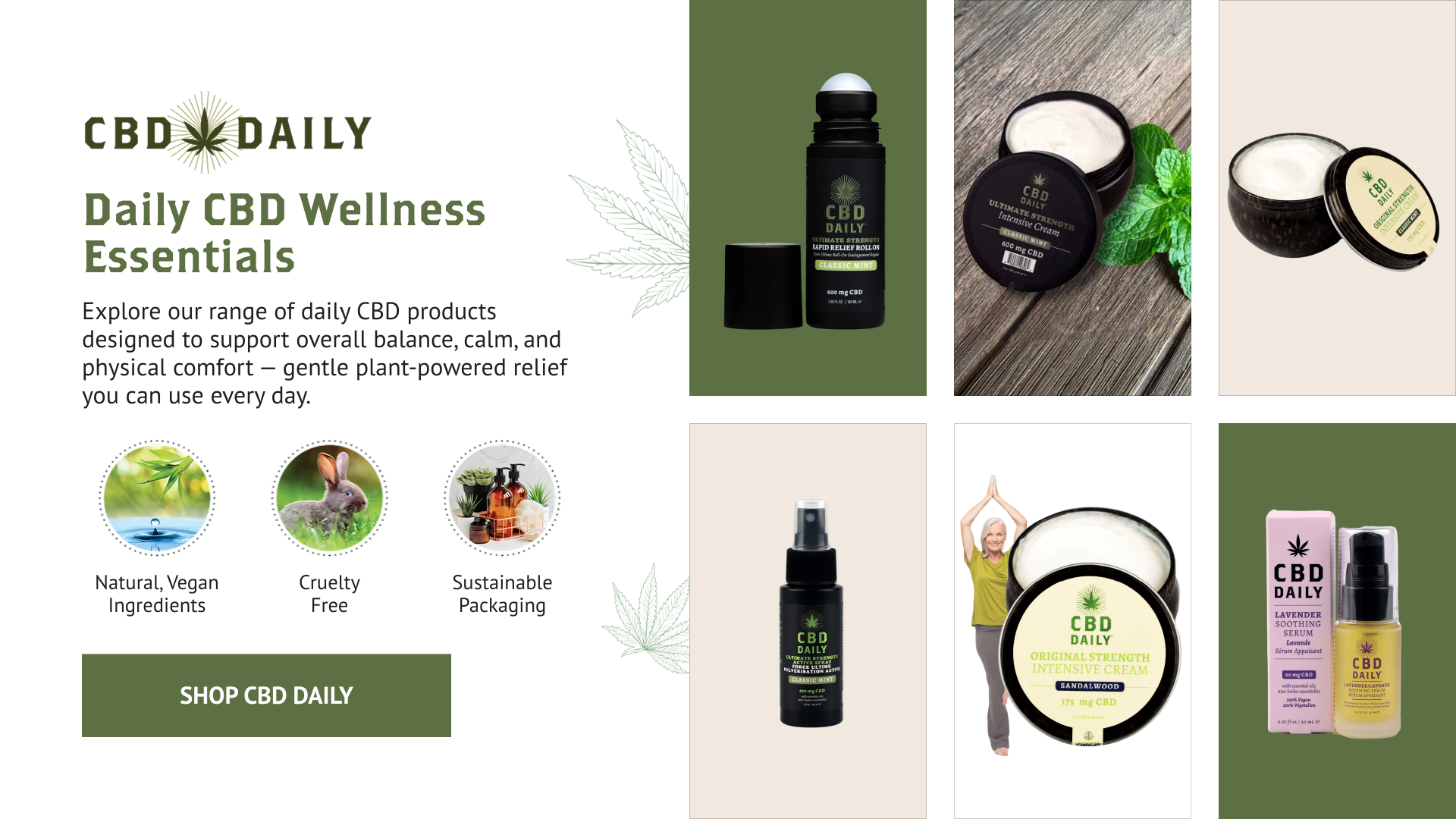
While soreness can feel uncomfortable, it is often a regular part of the recovery process. Many people also try supportive options, such as topical products, as part of their post-workout routine. If you’ve been wondering, “Does CBD cream work for pain?” You can read more about CBD Cream for Muscle Pain and how it may complement muscle recovery.
Common Muscle Soreness Causes You Should Know
There are several muscle soreness causes, and not all of them are related to intense exercise. Starting a new fitness program, increasing workout volume, or focusing on unfamiliar movements can all contribute to soreness. Activities that emphasize slow, controlled lowering motions are especially likely to leave muscles feeling tender.
However, proper hydration, sleep quality, nutrition, and overall fitness level also influence how your body responds after exercise. Paying attention to these factors can help support a smoother recovery.
Muscle Recovery Tips To Help Ease Soreness
Good recovery habits can make a noteworthy difference after exercise. Staying active with gentle movement, eating enough protein, drinking water throughout the day, and getting sufficient rest all help your muscles recover.
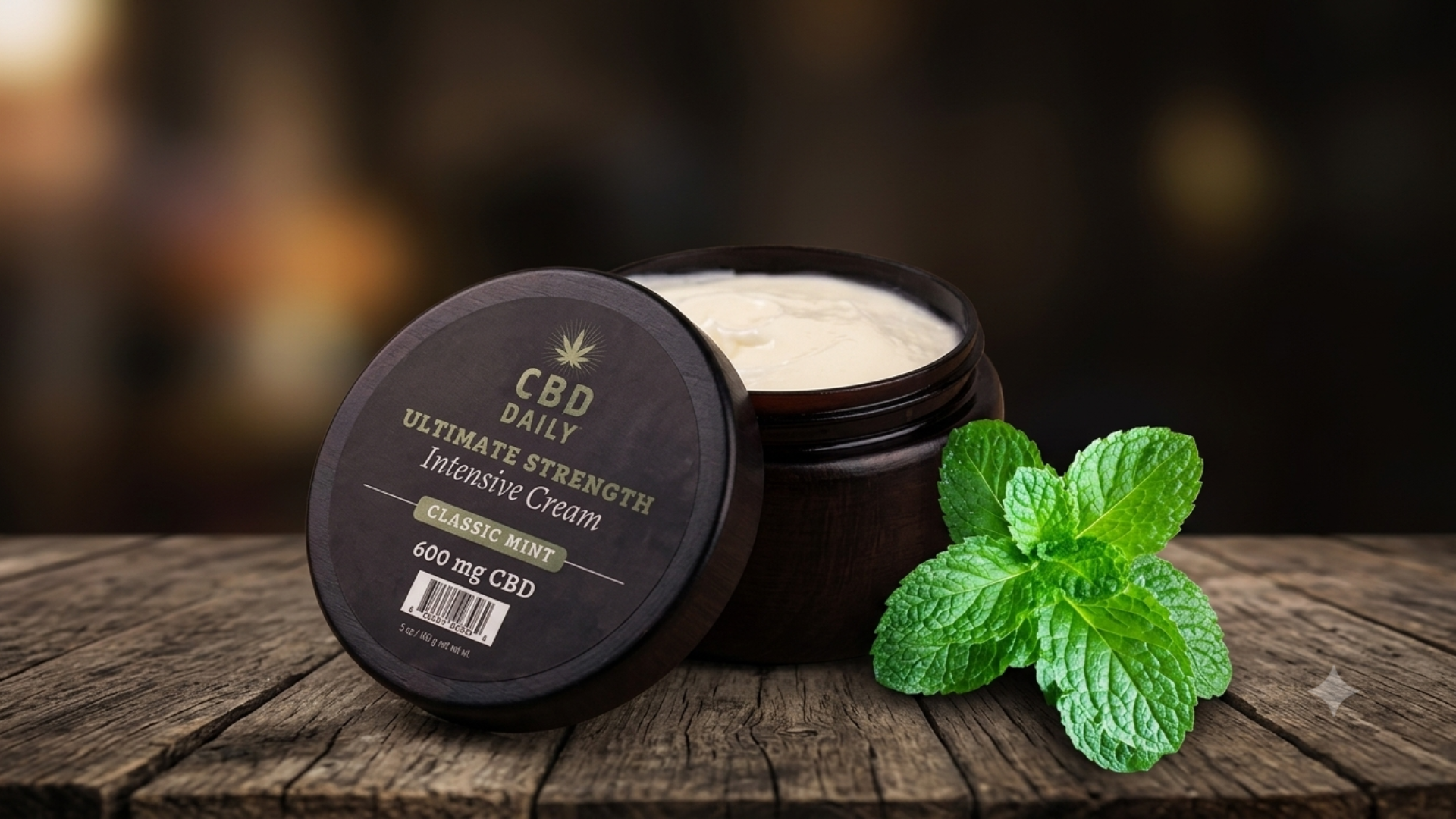
Some people also choose soothing plant-based products as part of their wellness routine. We highly recommend reading about the Benefits of Topical CBD to learn how botanical formulations fit into everyday self-care. When combined with healthy recovery habits, they can be part of a balanced approach to post-workout comfort.
Final Thoughts
Muscle soreness is a normal part of challenging your body. By understanding why it happens and practicing healthy recovery habits, you can help ease discomfort, support muscle recovery, and stay consistent with your fitness routine.
Frequently Asked Questions About Why Muscles Get Sore
Can you prevent muscle soreness completely?
Not entirely. As your body adapts to exercise, soreness often becomes less frequent, but trying new activities or increasing workout intensity can still cause temporary discomfort.
Does muscle soreness mean your workout was effective?
Not always. You can build strength and improve fitness without feeling sore after every workout. Progress depends on consistent training rather than soreness alone.
Is it okay to work out while your muscles are sore?
Mild soreness is generally manageable with light exercise or by training different muscle groups. If soreness is severe or affects your movement, allowing more time for recovery is a better option.
Why do beginners get sore more often?
People who are new to exercise have muscles that are still adapting to physical demands. As the body becomes conditioned, soreness usually becomes less noticeable after similar workouts.
Do certain exercises cause more muscle soreness than others?
Yes. Exercises that involve slow lowering movements, jumping, or downhill running tend to place greater stress on muscles, making soreness more likely.
Disclaimer: The information provided in this article is for educational and informational purposes only and is not intended to constitute medical advice. The statements made about products or ingredients have not been evaluated by the U.S. Food and Drug Administration. Cosmetic products are not intended to diagnose, treat, cure, or prevent any disease, and individual results may vary. Always read product labels and ingredient lists carefully, and consult a qualified healthcare professional before using any product if you have concerns, sensitivities, or medical conditions. This article does not replace professional medical advice, diagnosis, or treatment.