Free shipping on orders $40+ • FREE samples at checkout

No shipping to AK & HI

Posted on Leave a comment

Active Recovery Workouts: Light Movement That Helps You Bounce Back

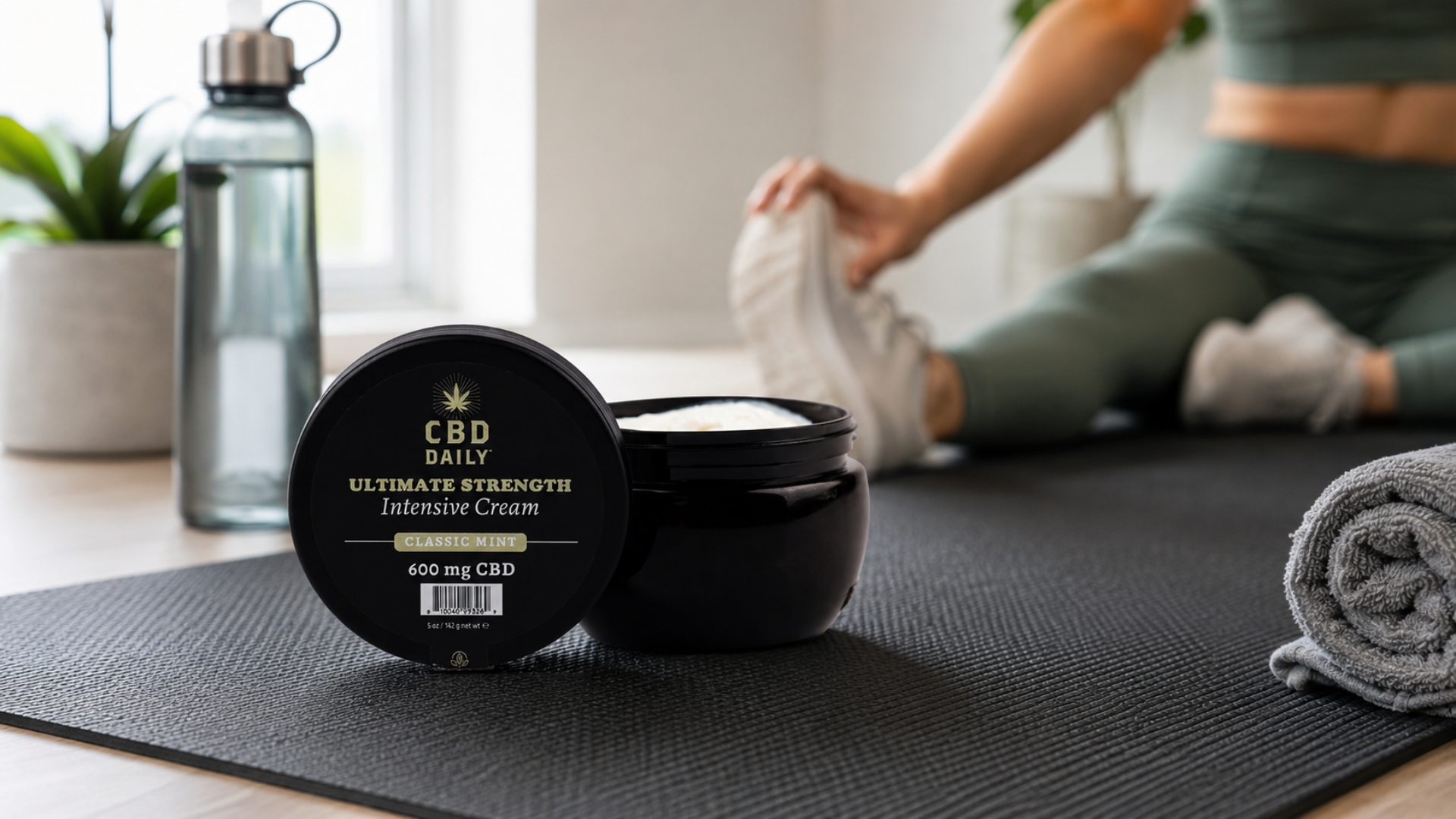
Person stretching beside CBD cream during an active recovery workout.

Key Takeaways

  • Active Recovery Benefits: Light movement may help support flexibility, circulation, and post-workout routines.
  • Recovery Workout Options: Walking, yoga, stretching, and low-impact cardio are simple ways to stay active during recovery days.
  • Wellness Support: Hydration, rest, mobility work, and self-care habits all contribute to better post-workout recovery and balance.

Recovery is an important part of maintaining an active lifestyle. After intense workouts, the body needs time to recharge, which is why many people include active recovery workouts in their routines. Gentle movement like walking, stretching, yoga, or light cycling can help support flexibility, mobility, and overall comfort while encouraging balanced wellness habits.

At Earthly Body, we believe wellness routines should support both movement and recovery through plant-forward self-care and mindful daily practices. Our body care and wellness products are designed to fit naturally into active lifestyles while supporting comfort and balance.

We will discuss active recovery workouts, recovery workout ideas, and ways to support post-workout recovery and body care routines.

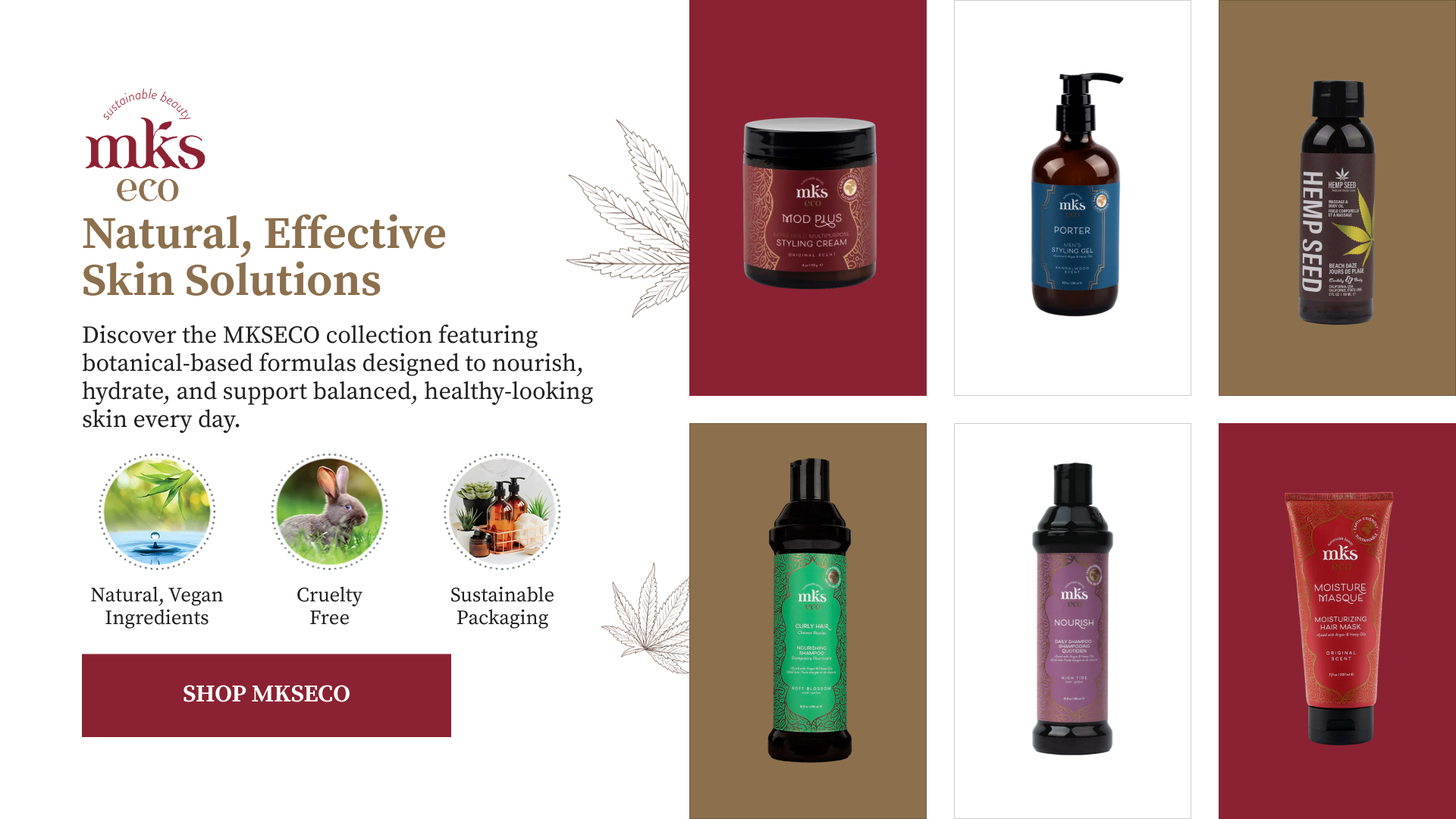
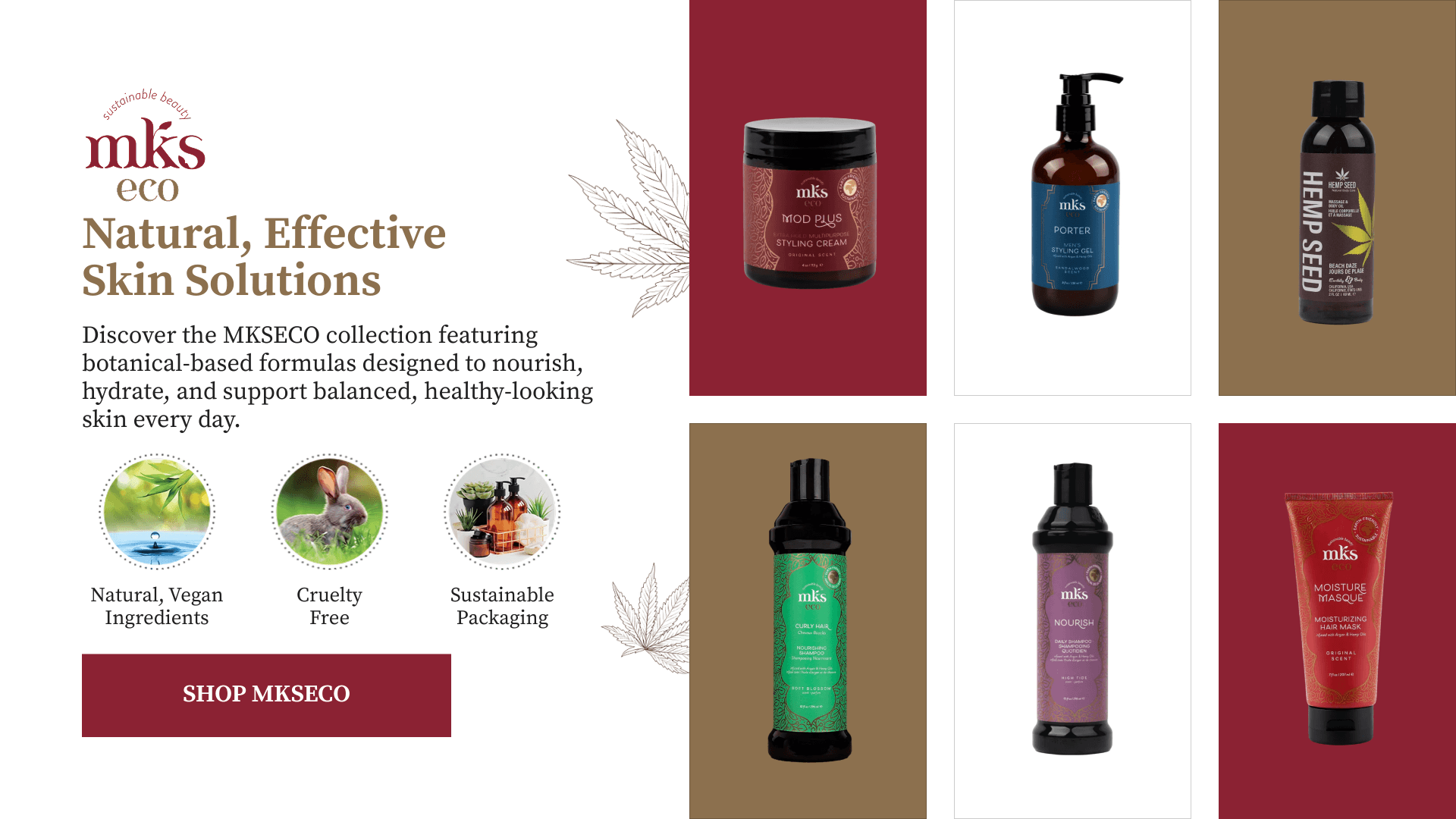
Shop Natural, Effective Skin Solutions

What Is an Active Recovery Workout and Why Does It Matter?

An active recovery workout focuses on low-intensity movement during rest days or after intense exercise. Activities like walking, stretching, yoga, swimming, and light cycling help support circulation, flexibility, and mobility without placing added strain on the body.

While rest is important, gentle movement can also help the body recharge by easing tightness and supporting overall comfort after workouts. Active recovery is not meant to replace regular training. Instead, it helps create balance through mindful movement, hydration, stretching, and consistent wellness habits.

How Active Recovery Supports Post-Workout Body Care

Recovery is an important part of maintaining an active lifestyle, especially after challenging workouts. An active recovery workout encourages gentle movement that supports flexibility and mobility while giving the body a break from high-intensity exercise.

Improved Circulation and Mobility

Low-impact movement encourages blood flow throughout the body, which may help transport oxygen and nutrients to tired muscles. Activities like walking or light stretching can also help improve flexibility and reduce feelings of tightness after exercise.

Mobility work is especially valuable for people who spend long periods sitting after workouts. Gentle movement can help the body transition more comfortably between training days while supporting flexibility and range of motion.

Reduced Feelings of Post-activity tightness

Post-workout tightness after exercise is common, especially after strength training or high-intensity cardio sessions. A lighter recovery workout may help the body feel more relaxed compared to remaining inactive for long periods.

Slow movement patterns such as yoga flows, easy cycling, or swimming can help the body stay loose while giving muscles time to recover naturally. Recovery days can also create an opportunity to focus on breathing, stretching, and mindful movement instead of performance goals.

Best Recovery Workout Ideas for Rest Days and Gentle Movement

Recovery days do not need to feel restrictive or repetitive. There are many simple ways to stay active while allowing the body time to recharge between more demanding workouts.

Walking and Light Cardio

Walking remains one of the most accessible forms of active recovery. A relaxed walk outdoors or on a treadmill can help maintain movement without placing heavy demands on the body. Light cardio sessions such as easy cycling or slow-paced elliptical workouts can also support circulation while keeping intensity levels manageable.

The goal is to keep movement comfortable. Recovery workouts should leave the body feeling refreshed instead of exhausted.

Stretching and Yoga Sessions

Stretching routines and yoga sessions can support flexibility while helping the body unwind physically and mentally. Dynamic stretching may help improve mobility, while slower yoga practices can encourage relaxation and gentle movement.

These sessions also create time to reconnect with routine-focused wellness habits. Many people pair stretching or yoga with hydration, foam rolling, or nourishing body care products as part of a calming post-workout routine. Earthly Body supports everyday wellness through plant-forward personal care designed to fit naturally into self-care routines.

The Benefits of Light Movement for Better Post Workout Recovery

Post-workout recovery is about giving the body time and support to recharge after physical activity. Light movement can play a valuable role in helping people maintain consistency without feeling overly fatigued between workouts.

Helps Maintain Consistency

Taking complete rest days may feel necessary after intense exercise, but too much inactivity can sometimes leave the body feeling stiff or sluggish. Gentle movement can help maintain momentum within a fitness routine while still supporting recovery needs.

For many people, active recovery workouts create a balanced approach that feels easier to sustain long-term. Instead of viewing recovery as inactivity, it becomes part of a healthy movement routine.

Supports Wellness Habits

Recovery is not limited to physical movement alone. Hydration, sleep, stretching, stress management, and mindful self-care all contribute to the recovery process. Adding light movement to these habits can help create a more complete wellness routine.

Simple activities such as walking outdoors, practicing yoga, or taking time for mobility work can support both physical and mental relaxation after demanding training sessions.

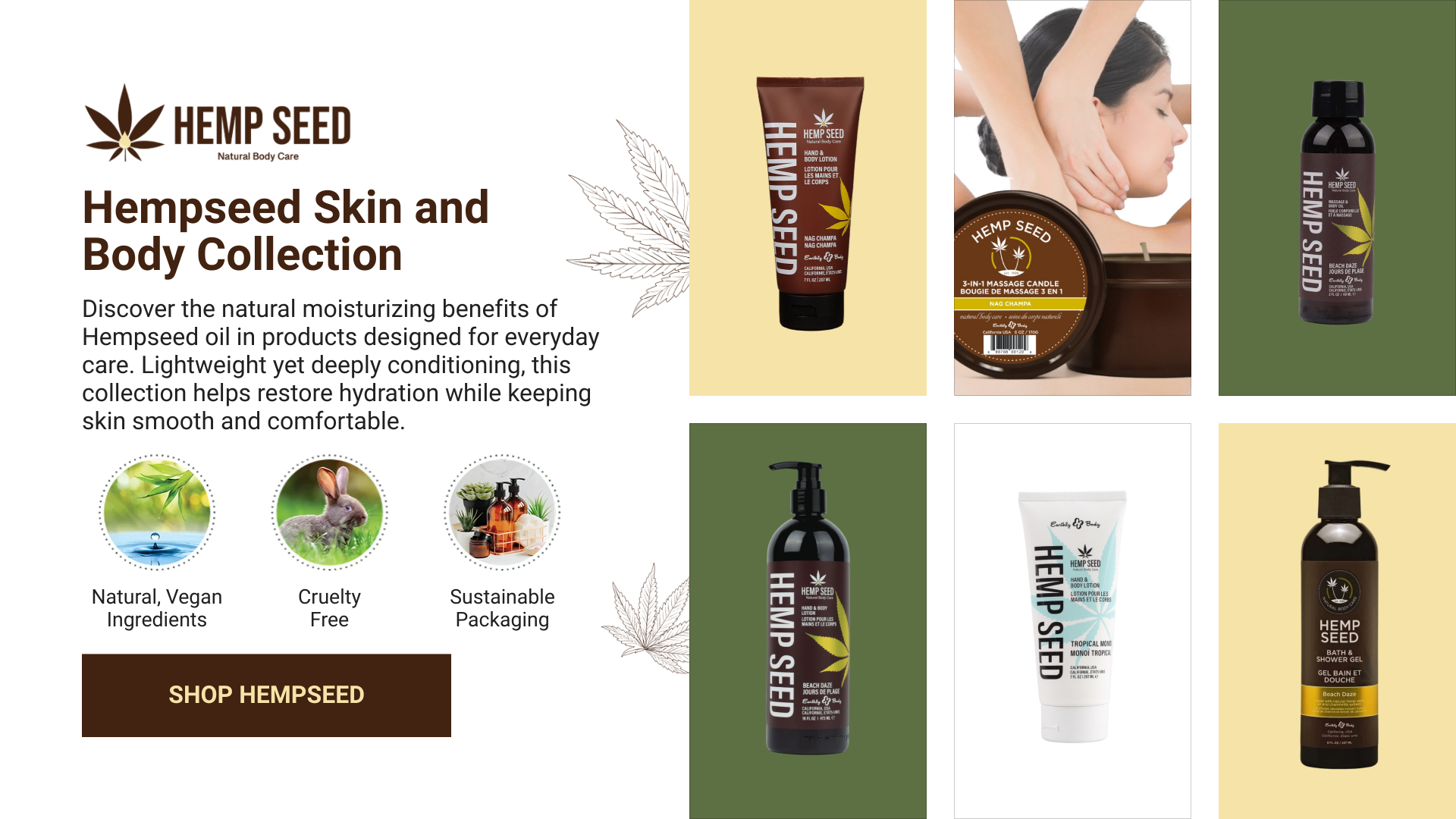
Hemp Seed Skin And Body Collection

Common Mistakes That Can Slow Recovery After Workouts

Recovery habits can influence how the body feels between workouts. Certain mistakes may make post-activity tightness or fatigue feel more noticeable over time.

  • Skipping recovery days entirely and training intensely every day without allowing the body enough time to recharge
  • Approaching recovery workouts like high-performance training sessions instead of keeping movement light and manageable
  • Ignoring hydration needs after exercise, especially after long or high-intensity workouts
  • Overlooking the importance of stretching and mobility work during post-workout recovery routines
  • Getting inconsistent sleep, which may affect energy levels and overall recovery support
  • Staying inactive for long periods after strenuous exercise, instead of incorporating gentle movement

How to Add an Active Recovery Workout to Your Weekly Fitness Plan

Adding recovery workouts to a weekly schedule does not require major changes. Most people benefit from one or two lower-intensity days each week, depending on their activity level and workout style. Gentle movement can be especially helpful after strength training sessions, long runs, or high-intensity interval workouts.

An active recovery workout should feel noticeably easier than a regular training day. Walking, stretching, yoga, and light cycling are all practical options because they encourage movement without placing additional stress on tired muscles. The focus should remain on comfort, flexibility, and maintaining mobility rather than performance.

Scheduling recovery days ahead of time may also help prevent overtraining. By viewing recovery as part of a complete wellness routine instead of an afterthought, people can create a more balanced relationship with exercise and self-care.

Recovery Workout Techniques That Support Comfort and Mobility

A balanced recovery routine often combines movement with supportive wellness habits. Foam rolling, stretching, hydration, and mindful rest can all complement light exercise during recovery days. Some people also enjoy warm baths, massage tools, or body care products, such as CBD creams and lotions, designed to support relaxation after physical activity.

Recovery techniques do not need to feel complicated to be effective. Consistency often matters more than intensity. Small habits practiced regularly can help the body feel more prepared for future workouts while encouraging a healthier balance between movement and rest.

Plant-based personal care products may also become part of a calming post-workout routine. Moisturizing body care, massage oils, and self-care rituals can help create a more relaxing recovery experience while supporting everyday wellness habits.

Self-Care Tips That Support Post Workout Recovery and Long-Term Wellness

Post-workout recovery is about more than easing post-activity tightness after exercise. It is also about creating routines that support wellness and sustainable movement habits over time. Prioritizing recovery may help people stay more consistent with exercise while feeling better between training sessions.

Combining light movement with hydration, stretching, balanced nutrition, and restorative self-care practices can help create an approach to fitness. An active recovery workout offers a practical way to stay moving while giving the body space to recharge naturally. By making recovery part of a regular wellness routine, people can support physical comfort and everyday balance in a way that feels approachable and realistic.

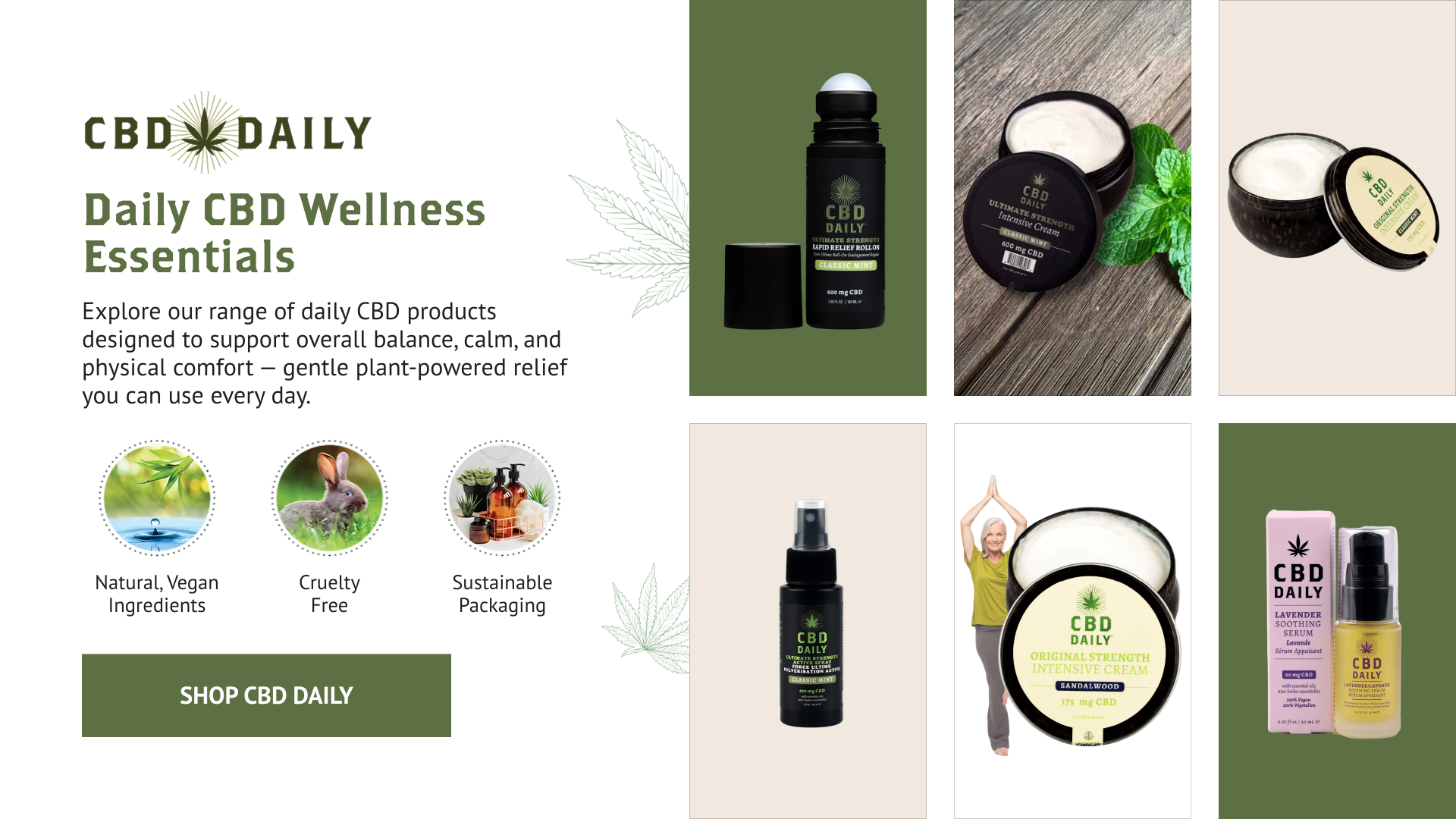
Daily CBD Wellness Essentials

Final Thoughts

Recovery is an important part of maintaining a balanced fitness routine, and staying active during rest days can help support overall wellness. An active recovery workout encourages gentle movement that helps the body recharge while promoting flexibility, mobility, and relaxation. By combining light exercise with hydration, stretching, and mindful self-care habits, it becomes easier to create a sustainable routine that supports both movement and recovery over time.

Frequently Asked Questions About Active Recovery Workouts

What is the difference between active recovery and complete rest?

Active recovery involves gentle movement like walking or stretching, while complete rest means avoiding physical activity entirely. Both can support post-activity routines, depending on workout intensity and energy levels.

How long should an active recovery workout last?

Most active recovery workouts last between 20 and 45 minutes. The goal is to keep movement light and comfortable without creating additional fatigue.

Can beginners benefit from recovery workouts?

Yes. Recovery workouts can help beginners ease into fitness routines while supporting mobility, flexibility, and consistent movement habits.

Is yoga considered an active recovery workout?

Yes. Gentle yoga sessions are commonly used for active recovery because they support flexibility, mobility, and relaxation without high physical strain.

Should you do active recovery after every workout?

Not necessarily. Active recovery is often most helpful after intense training sessions or on scheduled rest days within a weekly fitness routine.

Can active recovery workouts help with flexibility?

Light movement, stretching, and mobility exercises may help improve flexibility over time while supporting overall movement quality.

What should you avoid during a recovery workout?

Avoid high-intensity training, heavy lifting, or pushing to exhaustion during recovery workouts. The focus should remain on gentle movement and comfort.

Are recovery workouts helpful for runners?

Many runners use active recovery workouts like walking, stretching, or light cycling to stay mobile between training sessions and support post-workout recovery.

Can hydration affect post-workout body care after workout sessions?

Hydration plays an important role in overall wellness and recovery. Drinking enough water may help support comfort and physical performance after exercise.

What are the signs that your body may need more recovery time?

Persistent post-activity tightness, fatigue, reduced motivation, or difficulty completing workouts may indicate the need for additional rest and recovery support.

Disclaimer: The information provided in this article is for educational and informational purposes only and is not intended to constitute medical advice. The statements made about products or ingredients have not been evaluated by the U.S. Food and Drug Administration. Cosmetic products are not intended to diagnose, treat, cure, or prevent any disease, and individual results may vary. Always read product labels and ingredient lists carefully, and consult a qualified healthcare professional before using any product if you have concerns, sensitivities, or medical conditions. This article does not replace professional medical advice, diagnosis, or treatment.
Posted on Leave a comment

Sore Muscles After a Workout? A Complete Recovery Guide

Post-workout muscle recovery with CBD body cream

Key Takeaways

  • Recovery Support: Hydration, balanced meals, stretching, and rest may help support post-workout body care after exercise.
  • Wellness Habits: Consistent sleep, mobility work, and active recovery days can help reduce post-workout comfort.
  • Plant-Based Self-Care: Hemp seed oil and botanical body care products can complement relaxing post-workout routines.

Tired muscles after workout sessions can happen to anyone, from beginners trying a new fitness routine to experienced athletes increasing workout intensity. Post-workout tightness is a natural response to physical activity and may leave the body feeling tight, tender, or fatigued for a few days after exercise. Recovery habits such as hydration, stretching, rest, balanced nutrition, and supportive self-care routines may help the body feel more comfortable after activity.

Earthly Body has spent decades creating plant-based wellness and body care products designed for everyday self-care. With a focus on botanical ingredients, ingredient transparency, and wellness-focused formulations, the brand continues to support balanced lifestyles through approachable body care solutions.

This guide covers what causes post-workout tightness after workout sessions, what helps tired muscles after workout recovery, and simple ways to support post-workout wellness naturally.

Shop Natural, Effective Skin Solutions

What Causes Muscle soreness After Workout Sessions?

Sore muscles after workout sessions are a common response to physical activity, especially after trying a new routine or increasing exercise intensity. This tightness often develops several hours after movement and may last for a few days while the body recovers. Strength training, running, cycling, interval workouts, and recreational sports can all place temporary stress on muscles, leading to stiffness and tenderness during recovery.

Soreness can feel different from person to person. Some people notice mild tightness, while others experience reduced flexibility or fatigue in specific muscle groups. Recovery habits such as hydration, balanced nutrition, stretching, and proper rest may influence how long soreness lasts and how comfortable the body feels afterward.

Lifestyle factors also play a role in recovery. Inadequate sleep, limited water intake, or skipping recovery days may leave muscles feeling more fatigued after physical activity. Giving the body time to recover is an important part of maintaining an active and balanced wellness routine.

How Long Do Sore Muscles After Workouts Last?

Sore or tired muscles after workout sessions usually improve within a few days, although recovery time may vary based on fitness level, workout intensity, and overall wellness habits. Mild post-activity tightness may fade within one or two days, while more demanding workouts can create tightness that lingers slightly longer.

Why Certain Exercises Feel More Intense

Exercises that challenge the body in unfamiliar ways often lead to more noticeable post-activity tightness. Strength training, hiking, long-distance running, and workouts that include repetitive lowering movements may create additional stress on muscle tissue. People returning to exercise after time away may also experience stronger soreness while the body adjusts to increased movement.

Recovery Habits That Support Comfort

Gentle stretching, hydration, and light movement may help support post-activity routines after exercise. Walking, yoga, and mobility exercises can encourage circulation and help muscles feel less stiff. Many people also find that consistent sleep and balanced meals along with CBD creams and lotions help the body feel more restored after physically demanding activities.

What Helps Support Sore Muscles After A Workout?

A balanced recovery routine may help the body feel more comfortable after exercise. Hydration, nutritious meals, and supportive wellness practices can all contribute to post-workout body care and overall well-being after physical activity.

Hydration and Nutrient Support

Water supports many functions within the body, including muscle function and recovery. Drinking enough fluids throughout the day may help replenish the body after exercise, particularly after workouts that involve heavy sweating. Nutrient-rich meals containing protein, healthy fats, fruits, vegetables, and complex carbohydrates can also support post-activity routines.

Gentle Movement and Mobility Work

Light movement is often more comfortable than remaining completely inactive after strenuous exercise. Stretching, walking, foam rolling, and yoga may help reduce feelings of tightness while encouraging flexibility and mobility. These activities can fit naturally into a post-workout recovery routine without placing additional strain on tired muscles.

How To Support Sore Muscles After A Workout Naturally

Natural recovery practices can help support comfort after physical activity. Many people incorporate stretching, massage, warm baths, and body care products into their routines as part of a balanced approach to post-workout recovery.

Warm Baths and Massage Techniques

Warm baths may help create a calming recovery experience after exercise. Massage tools, foam rollers, and body oils are also commonly used to support relaxation after workouts. Plant-based ingredients such as hemp seed oil and botanical extracts are often included in body care products designed to nourish the skin while complementing self-care routines.

Rest and Consistent Recovery Practices

Sleep plays an important role in recovery because the body uses this time to repair and restore itself after daily activity. Allowing time between intense workouts may help reduce lingering tightness and support long-term wellness habits. Consistent recovery habits such as mobility work, massage, and proper sleep paired with our triple strength CBD daily intensive cream can also help support active lifestyles and everyday wellness over time.

Daily CBD Wellness Essentials

The Best Foods for Muscle soreness After Workout Recovery

Balanced nutrition may support post-workout routines after exercise and help muscles feel replenished following physical activity. Adding nutrient-rich foods to meals and snacks can become part of a supportive wellness routine.

  • Protein-rich foods like eggs, fish, beans, tofu, and yogurt may support post-workout recovery.
  • Fruits such as berries, oranges, bananas, and cherries contain nutrients commonly included in routine-focused diets.
  • Leafy greens and colorful vegetables provide vitamins and minerals that support overall wellness.
  • Whole grains, including oats, quinoa, and brown rice, may help restore energy after exercise.
  • Nuts, seeds, and avocado contain healthy fats that fit well into balanced post-workout meals.
  • Water and electrolyte-rich beverages may support hydration after sweating during workouts.

Stretching Tips That Help Support Sore Muscles After A Workout

Stretching can support flexibility and mobility after physical activity while helping muscles feel more relaxed during recovery. Slow, controlled movements may help reduce feelings of stiffness following exercise. Gentle stretches focused on the legs, back, shoulders, and hips can easily become part of a post-workout wellness routine.

It may also help to avoid forcing deep stretches while muscles feel tender. Light movement combined with steady breathing can create a more comfortable recovery experience. Some people pair stretching with foam rolling or massage techniques to support circulation and flexibility after workouts.

Can Rest and Sleep Help Sore Muscles After a Workout?

Rest days are an important part of maintaining a balanced fitness routine. Muscles need time to recover between workouts, especially after strength training or high-intensity exercise. Taking time to rest does not reduce progress. Recovery periods may actually support consistency and long-term performance by giving the body time to recharge.

Sleep also contributes to the recovery process. Consistent sleep habits may help the body feel more restored after exercise and daily stress. Creating a relaxing evening routine, reducing screen time before bed, and maintaining a comfortable sleep environment may all help support better rest and overall wellness.

Plant-Based Recovery Options for Muscle soreness After Workout

Plant-based body care products can complement post-workout wellness routines by supporting relaxation and skin nourishment after activity. Hemp seed oil, botanical extracts, and moisturizing ingredients are commonly used in self-care products designed for everyday recovery routines. Our guide to learning more about CBD could help you decide if plant-based products are right for you.

Simple recovery habits such as stretching, hydration, rest, and light movement may help reduce feelings of stiffness after exercise. Alternating intense workouts with lighter activities like yoga, walking, or swimming can also support a more balanced fitness routine. Consistent recovery practices often play an important role in maintaining long-term comfort, flexibility, and overall wellness. These routines support balanced post-workout wellness every day.

Hemp Seed Skin And Body Collection

Final Thoughts

Post-workout tightness after workout sessions is a normal part of staying active, especially when challenging the body in new ways. Supporting recovery through hydration, balanced nutrition, stretching, rest, and consistent self-care habits may help the body feel more comfortable after exercise. A balanced wellness routine that includes recovery time can make it easier to stay active, maintain flexibility, and support overall well-being over time.

Frequently Asked Questions About Sore Muscles After a Workout

Why do tired muscles feel worse on the second day after a workout?

Post-workout tightness often becomes more noticeable 24 to 48 hours after exercise because the body is responding to physical stress placed on the muscles during activity. This delayed post-activity tightness is common after challenging or unfamiliar workouts.

Can you work out while muscles are still sore?

Light or moderate activity may still feel manageable when post-activity tightness is mild. Many people choose lower-intensity movement, stretching, or walking while allowing heavily worked muscle groups additional recovery time.

Does drinking more water help tired muscles after workout sessions?

Hydration may support overall recovery and muscle function after exercise. Drinking enough water throughout the day can help replenish fluids lost during physical activity.

Are cold showers helpful for post-workout tightness after workout routines?

Some people use cold showers or cool compresses after exercise because they may help the body feel refreshed following intense physical activity. Preferences for warm or cool recovery methods can vary from person to person.

What foods should be avoided when recovering from tired muscles?

Highly processed foods and excessive sugary snacks may not provide the same nutritional support as balanced meals containing protein, healthy fats, fruits, vegetables, and whole grains.

Is it normal to feel sore after every workout?

Mild post-activity tightness can happen occasionally, especially after increasing workout intensity or trying new exercises. However, constant post-activity tightness may suggest the body needs more recovery time or adjustments to exercise routines.

Can stretching before workouts reduce post-workout tightness?

Dynamic warm-ups and gentle mobility exercises before workouts may help prepare the body for movement. Warming up properly can support flexibility and overall workout comfort.

How do body care products fit into post-workout recovery?

Body care products are often used as part of self-care routines after exercise. Massage oils, lotions, and moisturizing products with plant-based ingredients may help support relaxation and skin nourishment.

Does sleep affect post-workout tightness after workout sessions?

Sleep plays an important role in recovery because the body restores and repairs itself during rest. Consistent sleep habits may help support overall wellness after physical activity.

Can beginners experience more post-workout tightness after workout routines?

People new to exercise or returning after a break may notice stronger soreness because the body is adjusting to increased movement and physical activity levels.

Disclaimer: The information provided in this article is for educational and informational purposes only and is not intended to constitute medical advice. The statements made about products or ingredients have not been evaluated by the U.S. Food and Drug Administration. Cosmetic products are not intended to diagnose, treat, cure, or prevent any disease, and individual results may vary. Always read product labels and ingredient lists carefully, and consult a qualified healthcare professional before using any product if you have concerns, sensitivities, or medical conditions. This article does not replace professional medical advice, diagnosis, or treatment.
Posted on Leave a comment

How to Support Sore Muscles Overnight: Evening Recovery Routine

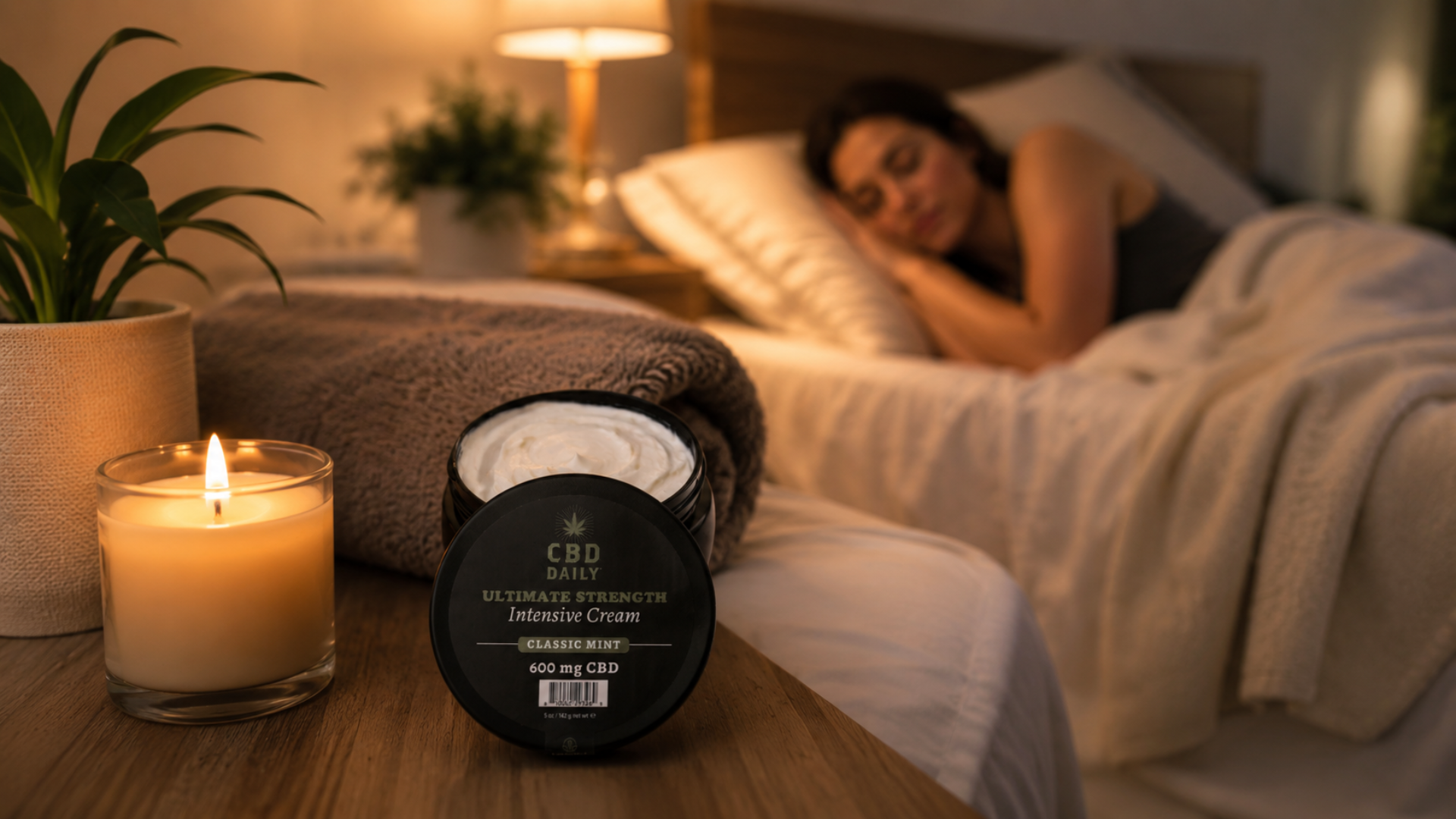
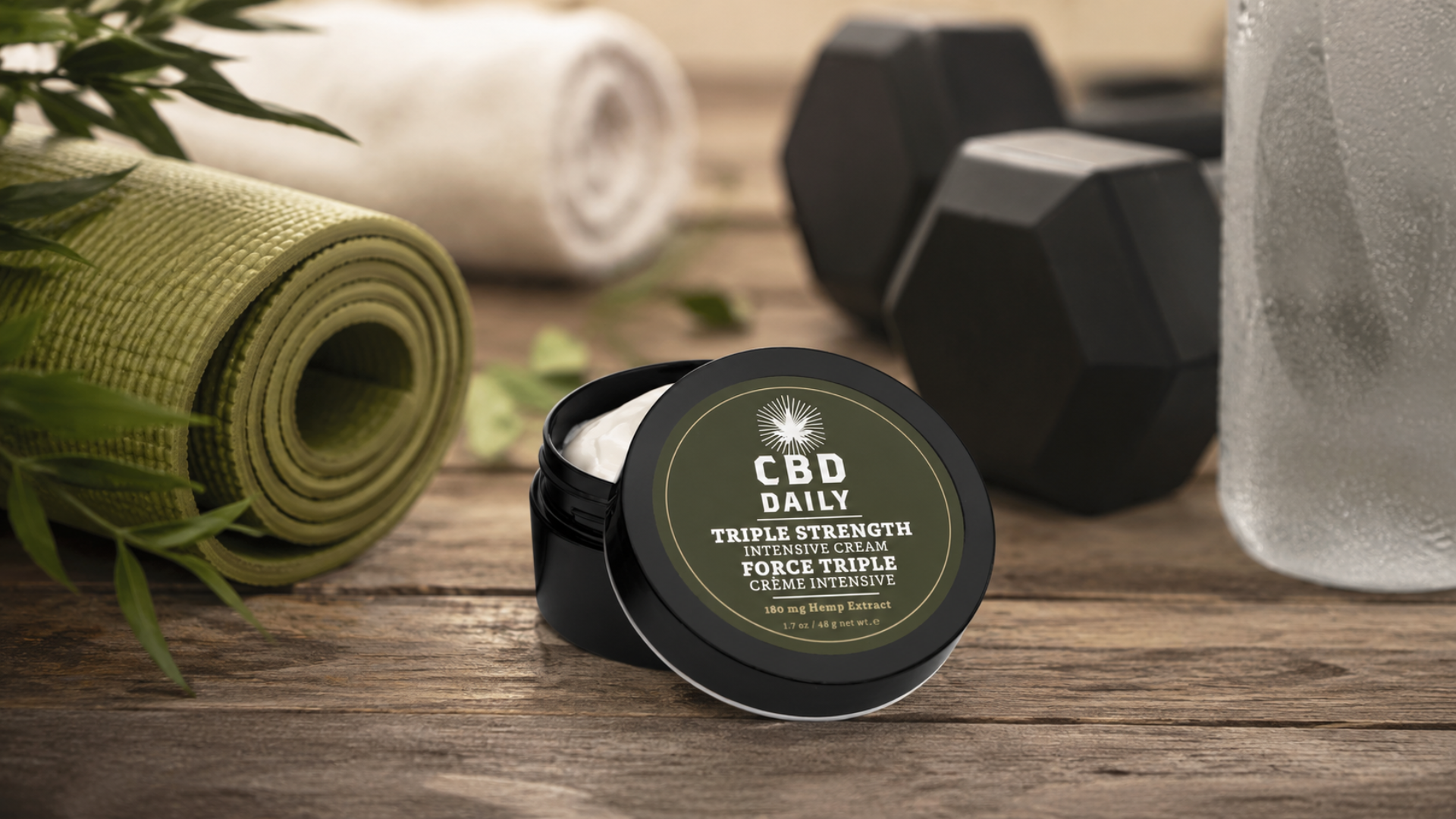
CBD cream beside a bed for an overnight sore muscle recovery routine

Key Takeaways

  • Recovery Habits: Consistent hydration, stretching, and sleep routines may help support overnight post-workout body care and comfort.
  • Evening Relaxation: Warm baths, gentle movement, and calming body care habits can help the body unwind after physical activity.
  • Daily Wellness Support: Balanced nutrition and regular recovery routines may help reduce muscle tightness and support long-term mobility.

Post-workout tightness can happen after workouts, physically demanding schedules, travel, or even everyday activities that place extra strain on the body. While tired muscles are common, they can still make it difficult to relax and feel comfortable at the end of the day. Building a simple evening recovery routine may help support relaxation before bed while encouraging the body to recover overnight. Gentle stretching, hydration, balanced meals, warm baths, and calming body care habits can all become part of a more supportive nighttime routine for overall wellness and comfort.

At Earthly Body, plant-based wellness and body care products are designed to support everyday self-care routines. With naturally derived ingredients, cruelty free formulations, and decades of experience in body care and wellness, the brand continues to create products that fit naturally into active lifestyles and evening recovery habits.

This guide covers how to support tired muscles overnight with simple recovery habits, relaxation techniques, and wellness focused evening routines.

Support Sore Muscles Overnight With an Evening Recovery Routine

Tired muscles can make it difficult to settle into a comfortable evening, especially after demanding workouts, long shifts, travel, or unfamiliar physical activity. Post-workout tightness is a normal response to movement and exercise, but a consistent nighttime routine may help support relaxation and comfort before bed. Gentle stretching, hydration, balanced meals, and calming body care habits can all encourage the body to wind down naturally after a physically active day.

Plant-based wellness routines have become increasingly popular because they fit easily into everyday schedules while supporting self-care and recovery. Instead of waiting until post-activity tightness becomes overwhelming, many people find it helpful to create a simple recovery routine that encourages relaxation each night. Consistency often matters more than intensity when supporting overnight recovery and preparing the body for the next day.

How to Support Sore Muscles After a Long Day or Workout

Post-workout tightness often feels stronger during the evening because the body finally has time to slow down after a busy day. A thoughtful nighttime routine can help encourage relaxation while supporting overall recovery.

Focus on Gentle Movement Before Bed

Complete rest is not always the most comfortable option for tired muscles. Light movement, such as walking, stretching, or yoga, may help encourage circulation while reducing feelings of stiffness. Gentle activity allows the body to stay loose without placing additional stress on tired muscles. Slow stretching sessions before bed may also help release tension that builds throughout the day. Many people find that even a few minutes of controlled movement helps the body feel calmer and more comfortable before sleep.

Create a Calm Evening Recovery Routine

Evening recovery routines work best when they feel realistic and easy to maintain. Taking a warm shower, changing into comfortable clothing, lowering bright lights, and setting aside time to relax can help the body transition into rest mode. Recovery habits do not need to feel complicated to make a difference. Creating a calm environment encourages both physical relaxation and mental rest after demanding activity.

Muscle soreness Relief Tips to Help Your Body Recover Overnight

Post-workout body care often begins with habits that support overall wellness. Recovery is not only about resting tired muscles. It also involves hydration, nutrition, sleep quality, and relaxation throughout the evening.

Stay Hydrated Throughout the Night

Hydration plays an important role in overall muscle function and recovery. Physical activity, heat, and daily movement can all contribute to fluid loss. Drinking water consistently throughout the evening may help support comfort and reduce feelings of tightness the next day. Some people also enjoy herbal tea or electrolyte drinks as part of a relaxing nighttime routine. Staying hydrated supports overall wellness while helping the body recover from daily activity.

Support Recovery With Balanced Nutrition

Balanced meals may help support post-activity routines after physical activity. Protein rich foods are commonly included in post-workout meals because they support muscle maintenance and repair. Fruits, vegetables, healthy fats, and whole grains also provide nutrients that contribute to overall wellness. Magnesium rich foods such as spinach, bananas, nuts, and avocados are often included in recovery focused meal plans because magnesium supports normal muscle function. Pairing hydration with balanced meals can help the body feel more prepared for overnight recovery.

Sore Muscle Support Starts With Hydration And Proper Nutrition

Tired muscle support is often connected to consistent daily habits rather than one quick solution. Evening recovery routines may feel more effective when hydration, movement, nutrition, and rest become part of a balanced lifestyle.

Avoid Habits That Increase Physical Tension

Certain habits may leave the body feeling more tense before bed. Heavy meals late at night, dehydration, and excessive alcohol consumption can contribute to sluggishness or discomfort. Creating a lighter evening routine with nourishing foods and adequate hydration may help support a more comfortable recovery experience. Many people also benefit from limiting screen time before bed to encourage relaxation.

Make Recovery Part of a Weekly Routine

Recovery should not only happen after intense exercise. Adding stretching, hydration, and rest into regular weekly routines may help support long-term comfort and mobility. People with active schedules often benefit from planning recovery days that include light movement and relaxation. Building these habits consistently may help the body feel more balanced over time.

Daily CBD Wellness Essentials

Gentle Stretching Exercises for Muscle soreness Relief Before Bed

Gentle stretching before bed may help encourage relaxation while easing feelings of tightness after physical activity.

  • Stretch the calves against a wall while keeping one heel pressed toward the floor.
  • Loosen tight hamstrings with seated forward folds and slightly bent knees.
  • Release shoulder tension through slow arm circles and neck stretches.
  • Ease lower back tightness by pulling the knees gently toward the chest.
  • Stretch the hips with seated figure four stretches or gentle lunges.
  • Practice slow breathing during stretches to encourage relaxation.
  • Hold stretches steadily without bouncing or forcing movement.

How Heat Therapy And Body Care Can Support Sore Muscles

Warm showers, baths, heating pads, and warm towels may help ease feelings of stiffness while encouraging relaxation before bed. Heat therapy is often paired with calming activities such as stretching or reading as part of an evening recovery routine.

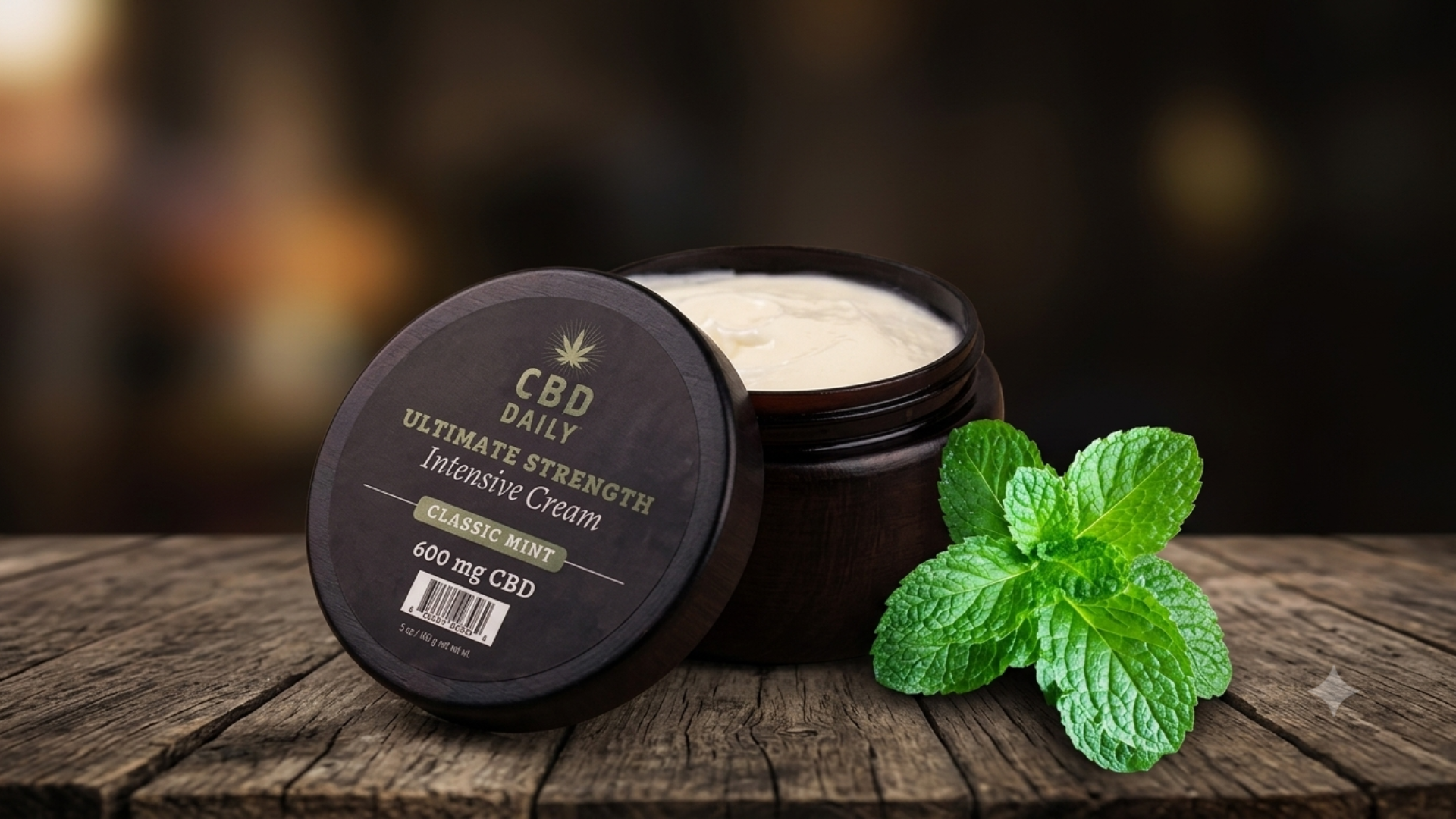
Plant-based lotions, such as our CBD daily intensive cream, massage oils, and moisturizing body care products may also help support relaxation and self-care habits. Gentle massage during application can add to a more soothing nighttime experience.

Sleep Habits That Support Sore Muscle Support and Faster Recovery

Sleep plays an important role in overnight recovery because the body performs many natural repair processes during rest. Creating a calming sleep environment may help support better recovery after physically active days. Comfortable bedding, cooler room temperatures, and reduced lighting can all help encourage relaxation before bed.

Consistent sleep schedules may also help support overall wellness and recovery. Going to bed at similar times each night encourages healthy rest habits that may improve how the body feels the next morning. Some people also prefer supportive pillows or different sleep positions to help reduce pressure on sensitive muscles. Small adjustments to the sleep environment may contribute to greater comfort overnight.

How to Support Sore Muscles Overnight With Consistent Self Care

Learning how to support tired muscles overnight often starts with supportive daily habits. While post-activity tightness may not disappear immediately, gentle stretching, hydration, balanced meals, warm baths, and calming body care routines may help encourage comfort and relaxation before bed. Consistent recovery habits such as mobility work, massage, and proper sleep paired with our triple strength CBD daily intensive cream can also help support active lifestyles and everyday wellness over time.

Natural, Effective Skin Solutions

Final Thoughts

Recovering from tired muscles overnight often comes down to consistency and simple self-care habits. Gentle stretching, hydration, balanced nutrition, restful sleep, and calming evening routines can all help support comfort after physical activity. Creating time to slow down and care for the body each night may help support long-term wellness while making recovery feel like a natural part of everyday life.

Frequently Asked Questions About How to Soothe Sore Muscles Overnight

Can tired muscles feel worse at night?

Yes, post-workout tightness may feel more noticeable at night because the body is no longer distracted by daily movement and activity. Resting muscles can make tightness easier to notice.

How long does post-workout tightness usually last?

Mild post-workout tightness often lasts between one and three days, depending on the intensity of the activity and the body’s recovery habits.

Is it better to use heat or cold for tired muscles?

Heat is commonly used to encourage relaxation and ease tightness, while cold therapy is often preferred immediately after intense activity to help cool and calm overworked areas.

Does drinking water really help post-workout tightness?

Staying hydrated supports overall muscle function and recovery. Water helps the body maintain balance after physical activity and may reduce feelings of stiffness.

Can poor sleep make post-workout tightness feel worse?

Yes, limited or interrupted sleep may affect how the body recovers overnight. Rest plays an important role in supporting overall physical recovery and wellness.

Are massages helpful for tired muscle support?

A gentle massage may help encourage relaxation and reduce tension in tired muscles. Many people include massage as part of a calming evening recovery routine.

Should you exercise while your muscles are sore?

Light activity and gentle movement may feel more comfortable than complete inactivity. Intense exercise on already strained muscles may increase tightness or discomfort.

What foods may help support post-workout body care?

Protein rich foods, fruits, vegetables, healthy fats, and magnesium rich ingredients are often included in recovery focused meal plans that support overall wellness.

Can stretching before bed help tired muscles?

Gentle stretching before bed may help improve flexibility, encourage circulation, and support relaxation after physically demanding activity.

What causes delayed post-workout tightness after exercise?

Delayed post-workout tightness often happens after new or intense physical activity that challenges the muscles more than usual. Symptoms commonly appear several hours after exercise.

Disclaimer: The information provided in this article is for educational and informational purposes only and is not intended to constitute medical advice. The statements made about products or ingredients have not been evaluated by the U.S. Food and Drug Administration. Cosmetic products are not intended to diagnose, treat, cure, or prevent any disease, and individual results may vary. Always read product labels and ingredient lists carefully, and consult a qualified healthcare professional before using any product if you have concerns, sensitivities, or medical conditions. This article does not replace professional medical advice, diagnosis, or treatment.
Posted on Leave a comment

5 Best Massage Lotions of 2022

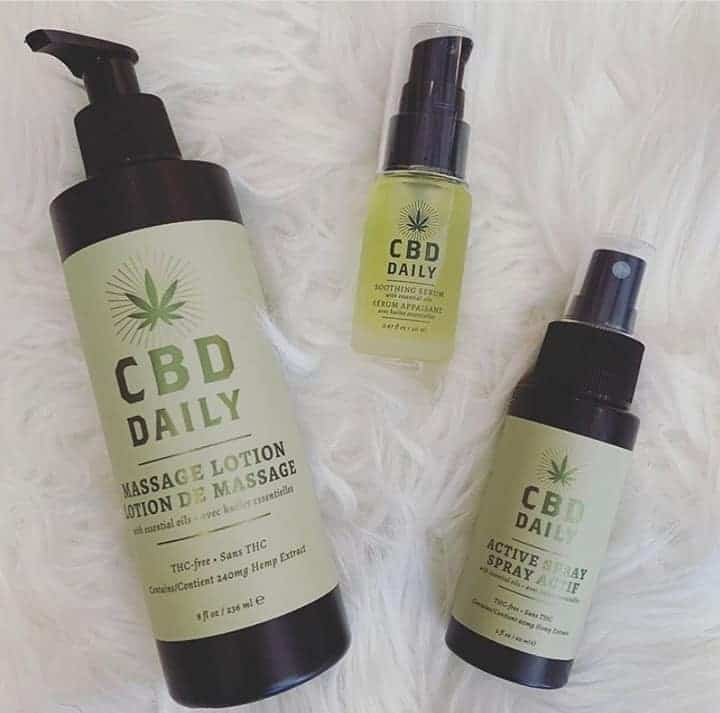
CBD Massage Lotion

As we approach the busy end-of-the-year season, a cozy home spa might be one of the easiest ways to relax our exhausted minds and body. You’d be surprised how much a simple addition of a good quality massage lotion could lift your self-care or couple massage therapy experience. Here we rounded up the 5 best massage lotions Earthly Body offers. Hopefully, you can embark on the new journey of 2022 with a rejuvenated mind and body. 

CBD Daily Massage Lotion 

If you’re experiencing discomfort in your neck or back, you may be looking for a massage that can potentially relieve some of the discomforts. Look no further than CBD Daily Massage Lotion. Coming in 2 convenient sizes, this massage lotion is packed with up to 240 mg 100% hemp-derived high-potency CBD. You can easily fit it in a backpack, or handbag. This organic massage lotion provides a perfect slip and penetrates deep into the skin to thoroughly soothe, relax, & refresh your body and mind. The naturally-inspired mint scent gives an extra layer of rejuvenating sensation. Unlike other massage lotions, CBD Daily Massage Lotion’s non-greasy formula leaves no residue in sight. It is the best massage lotion after a long workout.     

Hemp Seed Massage Lotion – Skinny Dip 

Unlike the CBD Daily Massage Lotion designed to unleash the maximum effects of CBD, Hemp Seed Massage Lotion is a more conventional massage lotion. It is infused with ultra-moisturizing essential oils such as Hemp Seed Oil, Safflower Seed Oil, Argan Oil, and other natural ingredients such as orange peel and ginseng extracts. All the natural ingredients absorb slowly and deeply into your skin and muscles. It provides an easy massage with a bit of luxury. It nourishes your skin during the massage and leaves no residue after it. Hemp Seed Massage Lotion comes with a wide range of naturally inspired creative fragrances. For example, the best-selling Skinny Dip scent smells like vanilla and cotton candy.  

Hemp Seed Massage Lotion – Lavender

Next on our list is the Hemp Seed Massage Lotion – Lavender scent. This hemp massage lotion glides easily on your skin. It is ideal for self-care massages as well as couple massages. Packed with natural Hemp Seed Oil, Safflower Seed Oil, Argan Oil, and more, the hemp seed massage lotion deeply moisturizes and leaves your skin feeling silky soft. Adding to the level of luxury, hemp seed massage lotion comes with a soothing lavender scent to offer an additional soothing sensation. This massage lotion is designed to transport you to the paradise of relaxation. The 2 oz convenient bottle is priced at a very friendly price of $4.99. 

Hemp Seed Massage Lotion – Naked In The Woods 

Every massage deserves a bit of luxury and fun. If you’re an adventurous type and not afraid of trying new things, take a look at our Hemp Seed Massage Lotion Naked In The Woods scent. Same as the other hemp massage lotion on our list, this hemp body lotion is packed with high-quality natural oils and extracts to easily glide and nourish the skin as it is worked into the body for a deep massage. The non-greasy formula gives just enough slip without leaving behind any sticky residue. The fun, creative Naked In The Woods scent smells like white tea and ginger. It is designed to bring out a sensation as if your bare skin is touching the beautiful nature itself.  

Hemp Seed Massage Lotion – Guavalava 

The last one on our list is Hemp Seed Massage Lotion – Guavalava scent. This massage lotion is designed to transport you to a paradise with its smooth, gliding texture. With the inviting scent of guava and blackberry and satin feel, this moisturizing massage lotion elevates any massage into an oasis so your body and mind can feel refreshed. The Hemp Seed Massage Lotion Guavalava scent comes in 2 sizes. The 2 oz bottle is compact and easy to carry in any backpack or handbag size.

Posted on Leave a comment

3 Benefits of Hemp Lotion

As winter approaches, skin moisturization gradually becomes, like always, the topic of the season. Hemp moisturizer, for its excellent ability to moisturize and nourish, is a must-have to quench the thirst in your skin. Today we’ll cover 7 benefits that make hemp seed oil lotion the best body moisturizer to add to your winter skincare routine. 

1- Natural source of vitamins and minerals for supple skin 

When it comes to the reason for dry skin, many believe it’s due to external factors, for example, lack of moisture in the air. In winter, when the outside temperature drops and the general humidity level decreases, the dry and cold air sucks the moisture out of our skin a lot faster. This “moisture exchange process” ends up leaving your skin feeling tight and looking flaky. That’s why we feel it is imperative to keep our skin hydrated especially during harsh winter times. 

For years, cosmetic brands have worked hard to create products that claim to “lockdown” the moisture on the skin. What these brands fail to recognize is the root cause of the moisture loss. According to Shari Marchbein, MD, a New York board-certified dermatologist, the lack of healthy fats in the top layer of our skin is what disables our skin from protecting the water molecules from escaping to the dry air. 

This is how hemp seed oil-based hemp moisturizer sets itself apart from the other skin lotions. Instead of creating a barrier for your skin, hemp seed oil lotion supplies your skin with natural fatty acids Omega-3 and Omega-6 that are easy to be absorbed. The increased level of healthy fats then works its magic to trap moisture from escaping into the dry air. As a result, supple, healthy and radiant-looking skin is restored. Aside from the “good fats”, hemp seed oil also contains all 9 essential amino acids that our body needs to create proteins, adding extra benefits to maintain great skin health. 

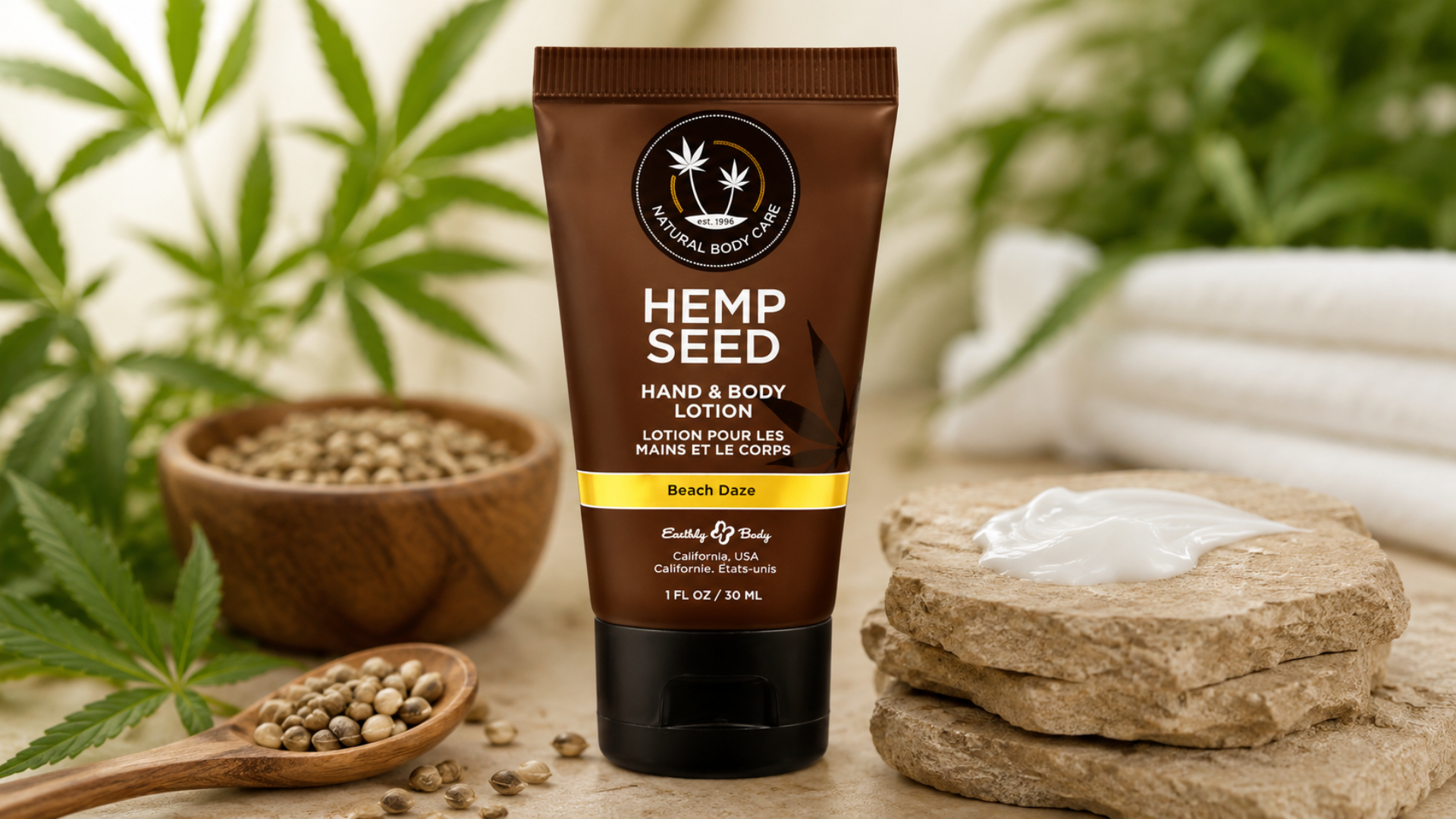
One thing to keep in mind is that different hemp body moisturizers come with slightly different effective duration ranges. For example, our Hemp Seed Skin Butter is a more intense body moisturizer than the Hemp Seed Hand & Body Lotion

2- Natural remedy for skin irritation and itching 

Most of the time, the skin dryness we experience only causes slight discomfort to the skin, and possibly a headache in us trying to figure out what’s going on. That’s unless the condition has developed into skin irritation or excessive itching. Hemp seed oil lotion not only excels as a body moisturizer but is also good at calming irritated skin. This is because Hemp Lotion is a lot easier to be absorbed than other skin lotions or oils. The more balanced your skin’s moisture level is, the less likely your skin is prone to irritation and itching. 

3 – 100% THC-Free  

Research suggests that 58% of Americans don’t understand the difference between CBD and THC. The same research also found out that even the usage of CBD products does not necessarily increase people’s awareness of the difference between the Hemp plants’ psychoactive (THC) and non-psychoactive chemical compounds. This confusion extends further to all Hemp-concepted products including Hemp Lotion, which is made of naturally extracted Hemp Seed Oil. 

In fact, the hemp seed oil is usually extracted from the, like its name suggests, seeds of the hemp plant. Hemp seed oil normally contains zero or neglectable amounts of THC. It has been legalized and widely used in different industries to make, for example, ropes and clothes, long before the craze about legalizing CBD or Marijuana took over the headlines. In general, it is completely safe to use Hemp lotion without worrying about the drug test. 

We're Earthly Friendly

natural vegan ingredients cruelty free sustainable professional give back
0