Key Takeaways
- Recovery Support: Hydration, balanced meals, stretching, and rest may help support post-workout body care after exercise.
- Wellness Habits: Consistent sleep, mobility work, and active recovery days can help reduce post-workout comfort.
- Plant-Based Self-Care: Hemp seed oil and botanical body care products can complement relaxing post-workout routines.
Tired muscles after workout sessions can happen to anyone, from beginners trying a new fitness routine to experienced athletes increasing workout intensity. Post-workout tightness is a natural response to physical activity and may leave the body feeling tight, tender, or fatigued for a few days after exercise. Recovery habits such as hydration, stretching, rest, balanced nutrition, and supportive self-care routines may help the body feel more comfortable after activity.
Earthly Body has spent decades creating plant-based wellness and body care products designed for everyday self-care. With a focus on botanical ingredients, ingredient transparency, and wellness-focused formulations, the brand continues to support balanced lifestyles through approachable body care solutions.
This guide covers what causes post-workout tightness after workout sessions, what helps tired muscles after workout recovery, and simple ways to support post-workout wellness naturally.
What Causes Muscle soreness After Workout Sessions?
Sore muscles after workout sessions are a common response to physical activity, especially after trying a new routine or increasing exercise intensity. This tightness often develops several hours after movement and may last for a few days while the body recovers. Strength training, running, cycling, interval workouts, and recreational sports can all place temporary stress on muscles, leading to stiffness and tenderness during recovery.
Soreness can feel different from person to person. Some people notice mild tightness, while others experience reduced flexibility or fatigue in specific muscle groups. Recovery habits such as hydration, balanced nutrition, stretching, and proper rest may influence how long soreness lasts and how comfortable the body feels afterward.
Lifestyle factors also play a role in recovery. Inadequate sleep, limited water intake, or skipping recovery days may leave muscles feeling more fatigued after physical activity. Giving the body time to recover is an important part of maintaining an active and balanced wellness routine.
How Long Do Sore Muscles After Workouts Last?
Sore or tired muscles after workout sessions usually improve within a few days, although recovery time may vary based on fitness level, workout intensity, and overall wellness habits. Mild post-activity tightness may fade within one or two days, while more demanding workouts can create tightness that lingers slightly longer.
Why Certain Exercises Feel More Intense
Exercises that challenge the body in unfamiliar ways often lead to more noticeable post-activity tightness. Strength training, hiking, long-distance running, and workouts that include repetitive lowering movements may create additional stress on muscle tissue. People returning to exercise after time away may also experience stronger soreness while the body adjusts to increased movement.
Recovery Habits That Support Comfort
Gentle stretching, hydration, and light movement may help support post-activity routines after exercise. Walking, yoga, and mobility exercises can encourage circulation and help muscles feel less stiff. Many people also find that consistent sleep and balanced meals along with CBD creams and lotions help the body feel more restored after physically demanding activities.
What Helps Support Sore Muscles After A Workout?
A balanced recovery routine may help the body feel more comfortable after exercise. Hydration, nutritious meals, and supportive wellness practices can all contribute to post-workout body care and overall well-being after physical activity.
Hydration and Nutrient Support
Water supports many functions within the body, including muscle function and recovery. Drinking enough fluids throughout the day may help replenish the body after exercise, particularly after workouts that involve heavy sweating. Nutrient-rich meals containing protein, healthy fats, fruits, vegetables, and complex carbohydrates can also support post-activity routines.
Gentle Movement and Mobility Work
Light movement is often more comfortable than remaining completely inactive after strenuous exercise. Stretching, walking, foam rolling, and yoga may help reduce feelings of tightness while encouraging flexibility and mobility. These activities can fit naturally into a post-workout recovery routine without placing additional strain on tired muscles.
How To Support Sore Muscles After A Workout Naturally
Natural recovery practices can help support comfort after physical activity. Many people incorporate stretching, massage, warm baths, and body care products into their routines as part of a balanced approach to post-workout recovery.
Warm Baths and Massage Techniques
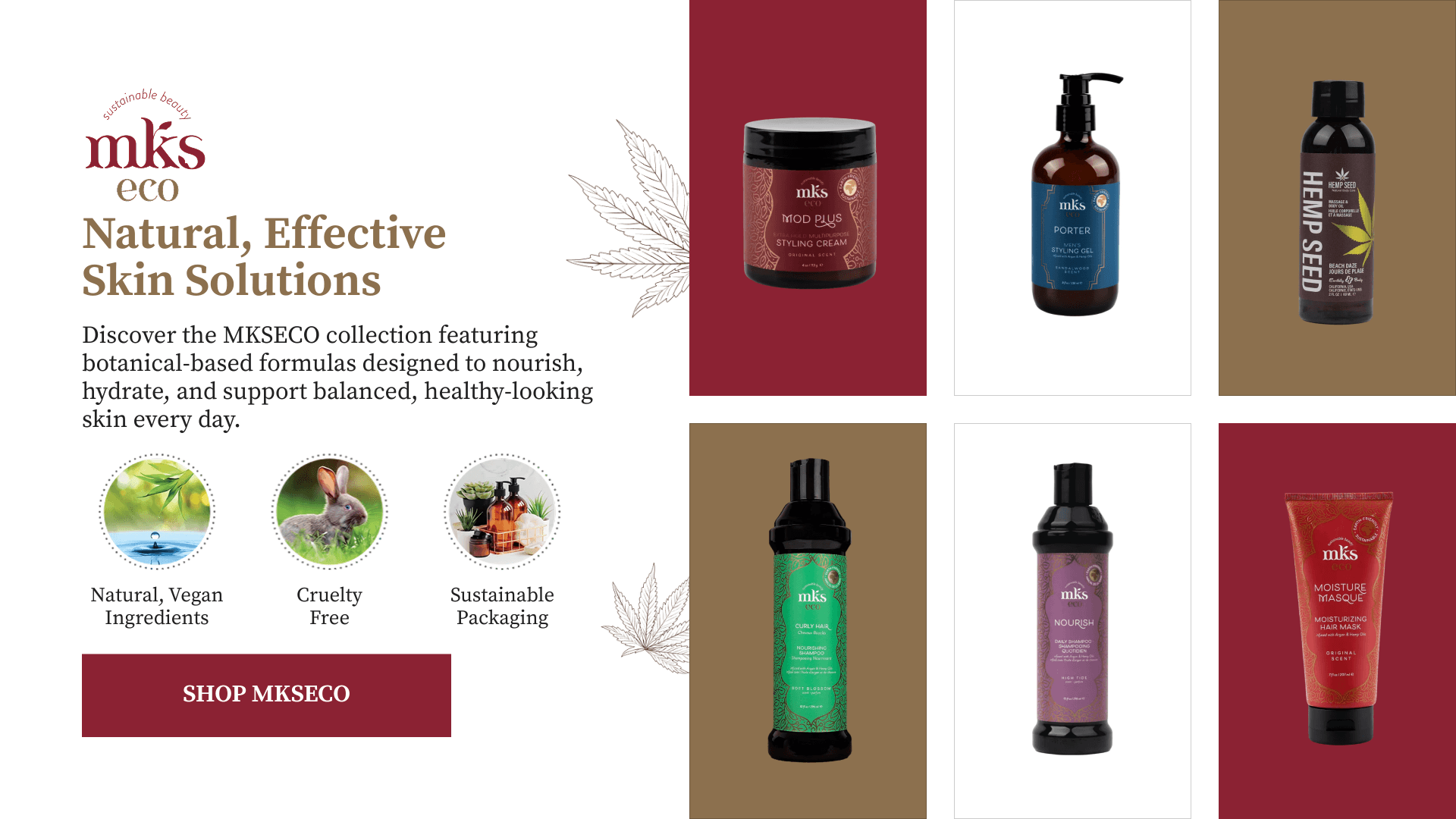
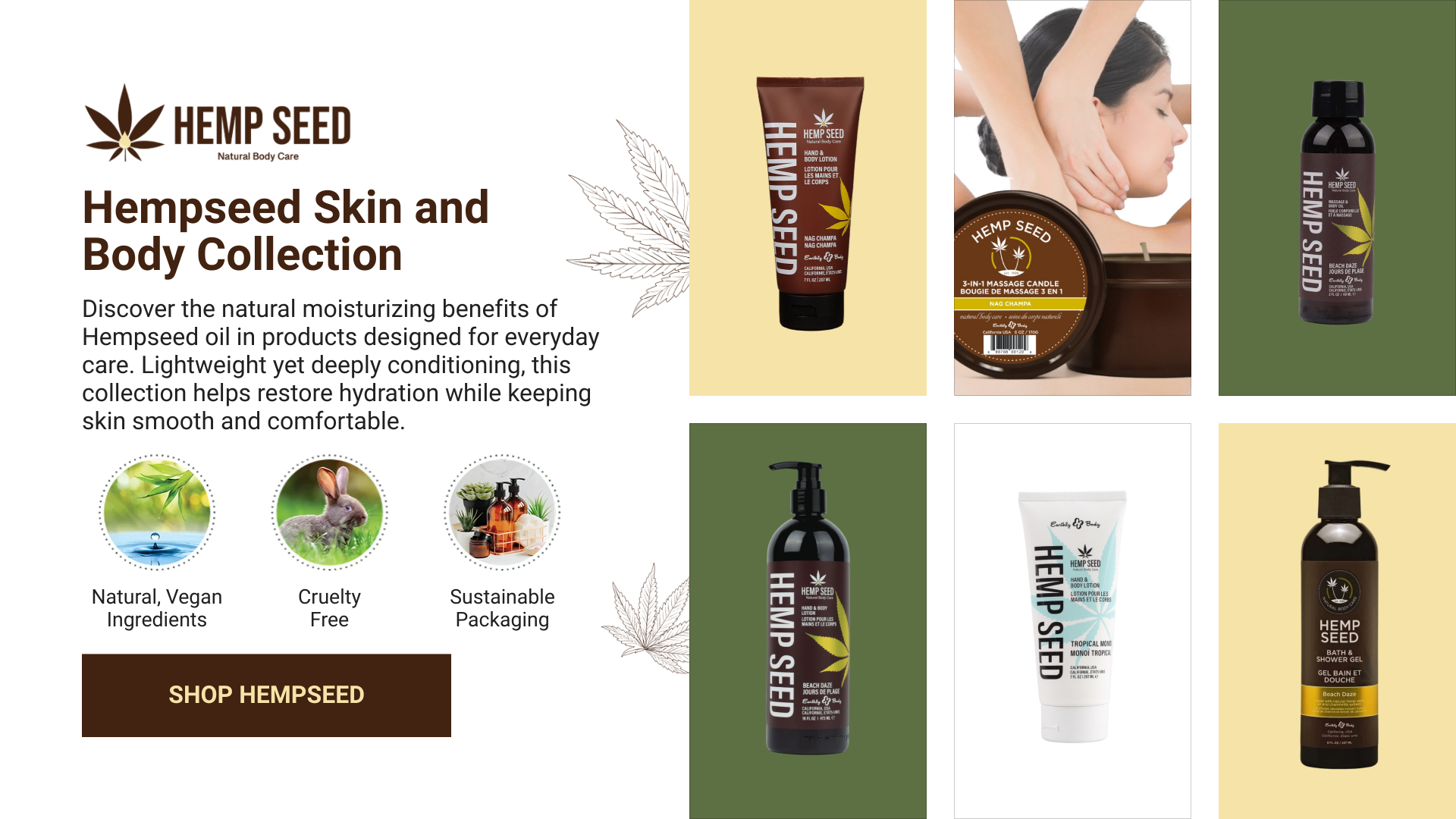
Warm baths may help create a calming recovery experience after exercise. Massage tools, foam rollers, and body oils are also commonly used to support relaxation after workouts. Plant-based ingredients such as hemp seed oil and botanical extracts are often included in body care products designed to nourish the skin while complementing self-care routines.
Rest and Consistent Recovery Practices
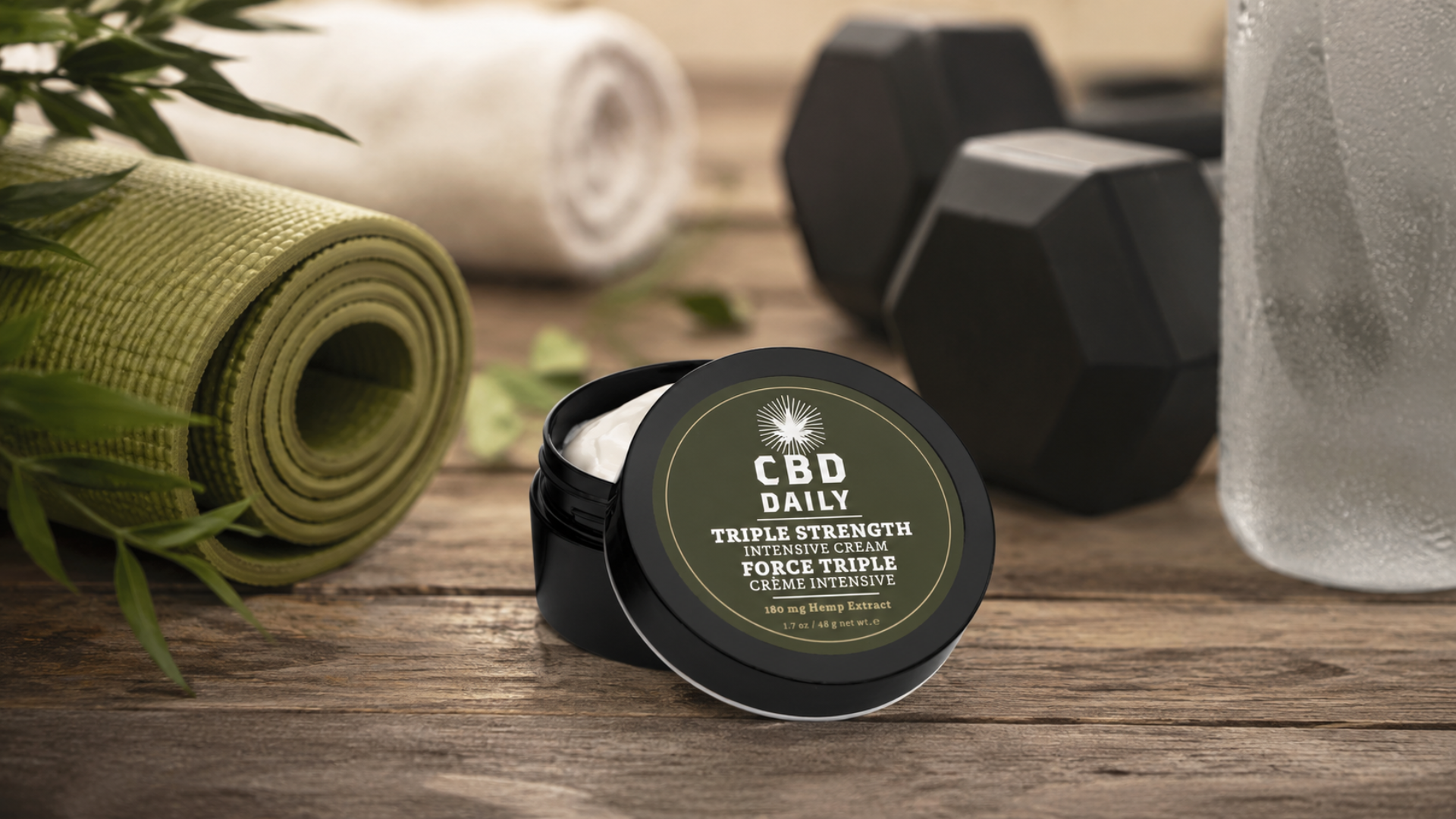
Sleep plays an important role in recovery because the body uses this time to repair and restore itself after daily activity. Allowing time between intense workouts may help reduce lingering tightness and support long-term wellness habits. Consistent recovery habits such as mobility work, massage, and proper sleep paired with our triple strength CBD daily intensive cream can also help support active lifestyles and everyday wellness over time.
The Best Foods for Muscle soreness After Workout Recovery
Balanced nutrition may support post-workout routines after exercise and help muscles feel replenished following physical activity. Adding nutrient-rich foods to meals and snacks can become part of a supportive wellness routine.
- Protein-rich foods like eggs, fish, beans, tofu, and yogurt may support post-workout recovery.
- Fruits such as berries, oranges, bananas, and cherries contain nutrients commonly included in routine-focused diets.
- Leafy greens and colorful vegetables provide vitamins and minerals that support overall wellness.
- Whole grains, including oats, quinoa, and brown rice, may help restore energy after exercise.
- Nuts, seeds, and avocado contain healthy fats that fit well into balanced post-workout meals.
- Water and electrolyte-rich beverages may support hydration after sweating during workouts.
Stretching Tips That Help Support Sore Muscles After A Workout
Stretching can support flexibility and mobility after physical activity while helping muscles feel more relaxed during recovery. Slow, controlled movements may help reduce feelings of stiffness following exercise. Gentle stretches focused on the legs, back, shoulders, and hips can easily become part of a post-workout wellness routine.
It may also help to avoid forcing deep stretches while muscles feel tender. Light movement combined with steady breathing can create a more comfortable recovery experience. Some people pair stretching with foam rolling or massage techniques to support circulation and flexibility after workouts.
Can Rest and Sleep Help Sore Muscles After a Workout?
Rest days are an important part of maintaining a balanced fitness routine. Muscles need time to recover between workouts, especially after strength training or high-intensity exercise. Taking time to rest does not reduce progress. Recovery periods may actually support consistency and long-term performance by giving the body time to recharge.
Sleep also contributes to the recovery process. Consistent sleep habits may help the body feel more restored after exercise and daily stress. Creating a relaxing evening routine, reducing screen time before bed, and maintaining a comfortable sleep environment may all help support better rest and overall wellness.
Plant-Based Recovery Options for Muscle soreness After Workout
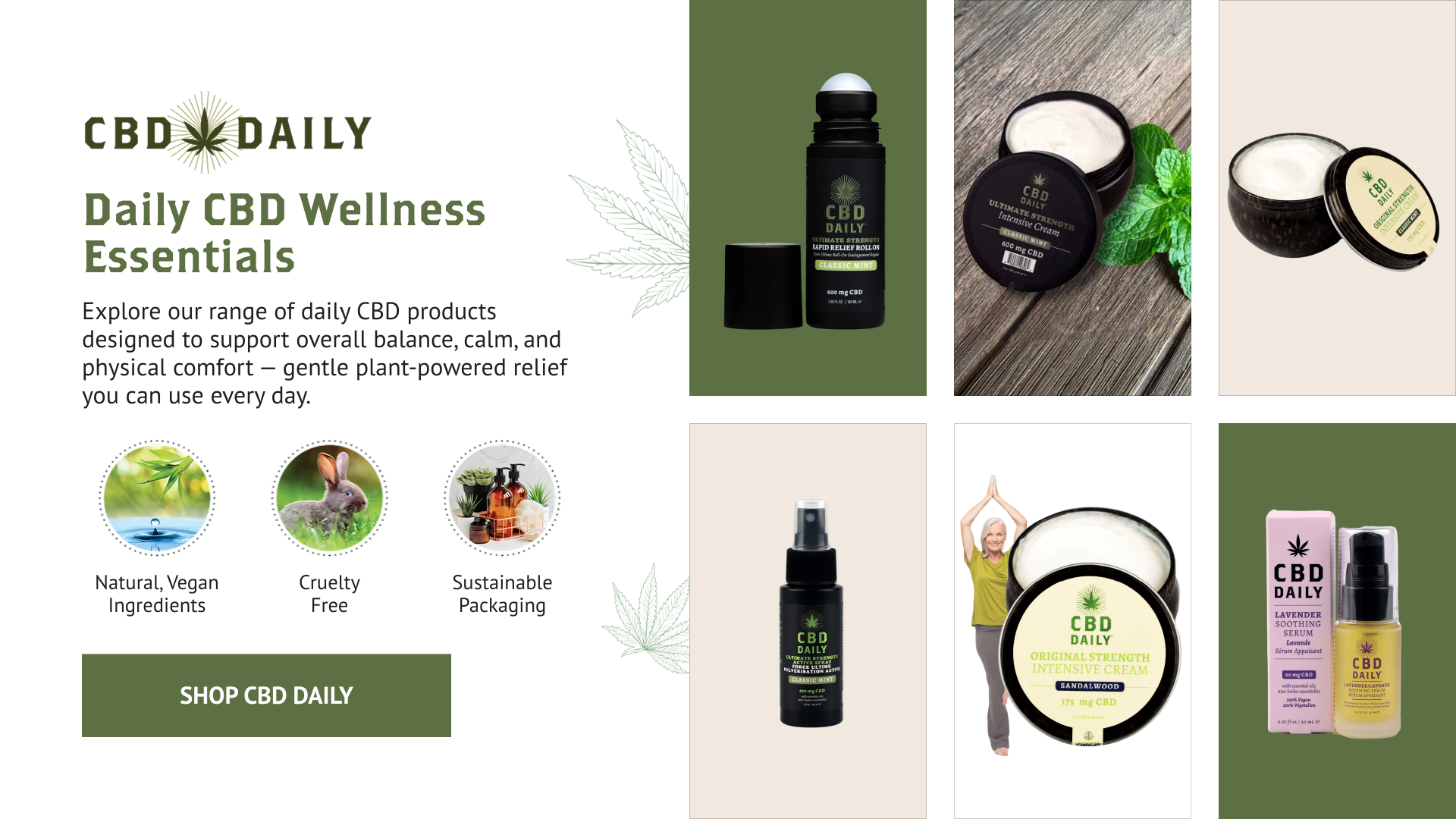
Plant-based body care products can complement post-workout wellness routines by supporting relaxation and skin nourishment after activity. Hemp seed oil, botanical extracts, and moisturizing ingredients are commonly used in self-care products designed for everyday recovery routines. Our guide to learning more about CBD could help you decide if plant-based products are right for you.
Simple recovery habits such as stretching, hydration, rest, and light movement may help reduce feelings of stiffness after exercise. Alternating intense workouts with lighter activities like yoga, walking, or swimming can also support a more balanced fitness routine. Consistent recovery practices often play an important role in maintaining long-term comfort, flexibility, and overall wellness. These routines support balanced post-workout wellness every day.
Final Thoughts
Post-workout tightness after workout sessions is a normal part of staying active, especially when challenging the body in new ways. Supporting recovery through hydration, balanced nutrition, stretching, rest, and consistent self-care habits may help the body feel more comfortable after exercise. A balanced wellness routine that includes recovery time can make it easier to stay active, maintain flexibility, and support overall well-being over time.
Frequently Asked Questions About Sore Muscles After a Workout
Why do tired muscles feel worse on the second day after a workout?
Post-workout tightness often becomes more noticeable 24 to 48 hours after exercise because the body is responding to physical stress placed on the muscles during activity. This delayed post-activity tightness is common after challenging or unfamiliar workouts.
Can you work out while muscles are still sore?
Light or moderate activity may still feel manageable when post-activity tightness is mild. Many people choose lower-intensity movement, stretching, or walking while allowing heavily worked muscle groups additional recovery time.
Does drinking more water help tired muscles after workout sessions?
Hydration may support overall recovery and muscle function after exercise. Drinking enough water throughout the day can help replenish fluids lost during physical activity.
Are cold showers helpful for post-workout tightness after workout routines?
Some people use cold showers or cool compresses after exercise because they may help the body feel refreshed following intense physical activity. Preferences for warm or cool recovery methods can vary from person to person.
What foods should be avoided when recovering from tired muscles?
Highly processed foods and excessive sugary snacks may not provide the same nutritional support as balanced meals containing protein, healthy fats, fruits, vegetables, and whole grains.
Is it normal to feel sore after every workout?
Mild post-activity tightness can happen occasionally, especially after increasing workout intensity or trying new exercises. However, constant post-activity tightness may suggest the body needs more recovery time or adjustments to exercise routines.
Can stretching before workouts reduce post-workout tightness?
Dynamic warm-ups and gentle mobility exercises before workouts may help prepare the body for movement. Warming up properly can support flexibility and overall workout comfort.
How do body care products fit into post-workout recovery?
Body care products are often used as part of self-care routines after exercise. Massage oils, lotions, and moisturizing products with plant-based ingredients may help support relaxation and skin nourishment.
Does sleep affect post-workout tightness after workout sessions?
Sleep plays an important role in recovery because the body restores and repairs itself during rest. Consistent sleep habits may help support overall wellness after physical activity.
Can beginners experience more post-workout tightness after workout routines?
People new to exercise or returning after a break may notice stronger soreness because the body is adjusting to increased movement and physical activity levels.
Disclaimer: The information provided in this article is for educational and informational purposes only and is not intended to constitute medical advice. The statements made about products or ingredients have not been evaluated by the U.S. Food and Drug Administration. Cosmetic products are not intended to diagnose, treat, cure, or prevent any disease, and individual results may vary. Always read product labels and ingredient lists carefully, and consult a qualified healthcare professional before using any product if you have concerns, sensitivities, or medical conditions. This article does not replace professional medical advice, diagnosis, or treatment.