Key Takeaways
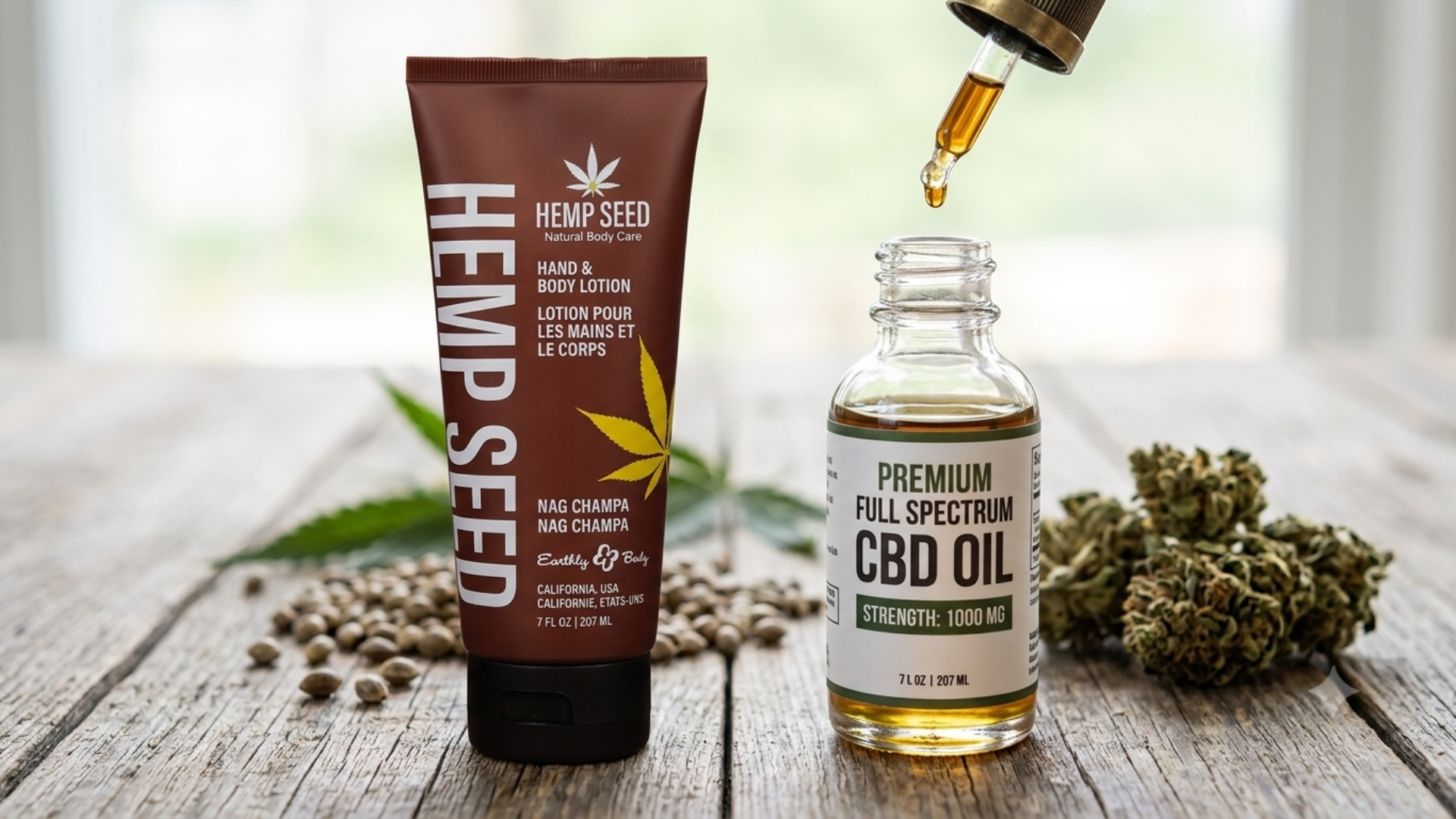
- Main Differences: Hemp seed oil comes from hemp seeds, while CBD oil is extracted from the flowers, leaves, and stalks of the hemp plant.
- Potential Benefits: Hemp seed oil supports skin nourishment, while CBD oil is commonly used as part of a daily wellness routine.
- Choosing The Right Product: Your ideal option depends on whether you’re looking for nutritional skincare support or cannabidiol-based wellness products.
Hemp oil and CBD oil come from the same plant but serve different purposes. Generally speaking, hemp seed oil might nourish the skin, while CBD oil contains cannabidiol for wellness support. Overall, knowing what sets the two apart can lead you to the right product.
At Earthly Body, we’ve created hemp-based, vegan, and cruelty-free personal care products for decades, combining quality ingredients with a commitment to everyday self-care.
In this article, we’ll explain the difference between hemp oil vs. CBD oil, compare their benefits, and help you choose the best option for your needs.
Hemp Seed Oil vs. CBD Oil: Why They’re Often Confused
Hemp oil and CBD oil both come from the hemp plant, but they are not the same product. The confusion often comes from similar packaging and labeling. Put simply, hemp seed oil is made by pressing hemp seeds, while CBD oil is extracted from the flowers, leaves, and stalks of the plant. If you’re looking to better understand CBD before choosing a product, our 5 Facts About CBD You May Not Know article offers a helpful introduction.
Hemp Oil And CBD Difference: How Each Is Made
The hemp oil vs. cannabidiol debate begins with how they’re made. Hemp seed oil is cold-pressed from the seeds and tends to be rich in fatty acids, vitamins, and antioxidants, while CBD oil is extracted from the hemp plant’s flowers, leaves, and stalks, giving each product its own unique uses. The source material is why the two end up with such dissimilar ingredient profiles and applications in body care and wellness products.
Is Hemp Oil CBD?
Long story short, hemp seed oil does not naturally contain meaningful amounts of CBD, while CBD oil is formulated to deliver cannabidiol. So, both have unique qualities, but they serve distinct purposes. Namely, hemp seed oil is commonly used for its moisturizing and skin-conditioning properties, while CBD oil is chosen specifically for the effects of cannabidiol when applied topically or taken internally. Learning how the body’s endocannabinoid system interacts with cannabinoids can also help explain these differences. Read more in The Endocannabinoid System: A Bridge Between Body and Mind.
Hemp Seed Oil vs. CBD Oil: Potential Benefits And Uses
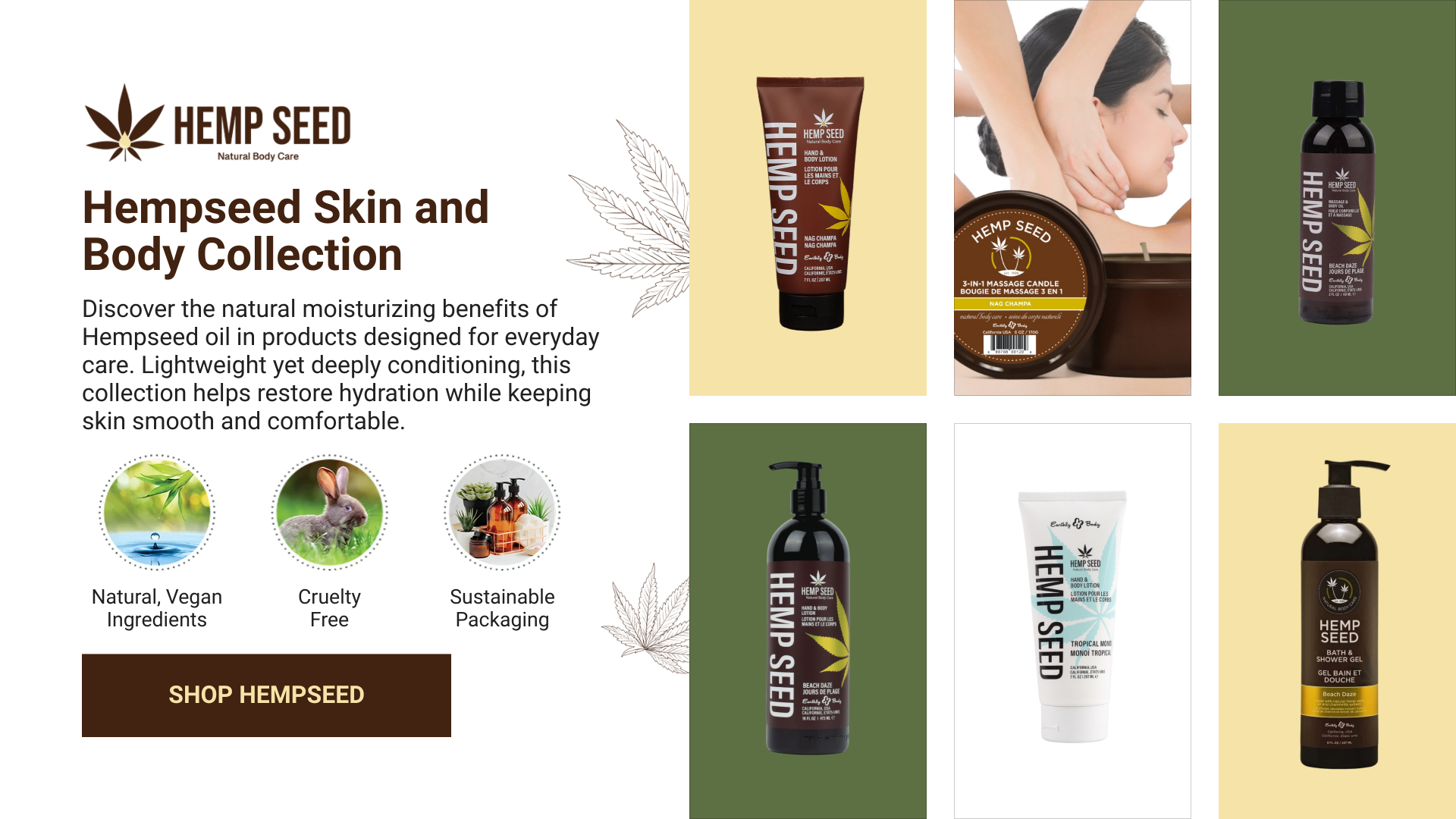
When comparing hemp seed oil vs. CBD oil, it helps to consider your goals. Hemp seed oil is a popular ingredient in skincare because it helps moisturize and nourish the skin. You can learn more in our guide to Hemp Seed Benefits for Skin. In contrast, CBD oil benefits are often associated with supporting everyday wellness and promoting balance as part of a regular routine. Many people also include CBD in their self-care regimen.
Hemp Oil vs. Cannabidiol: Which One Is Right for You?
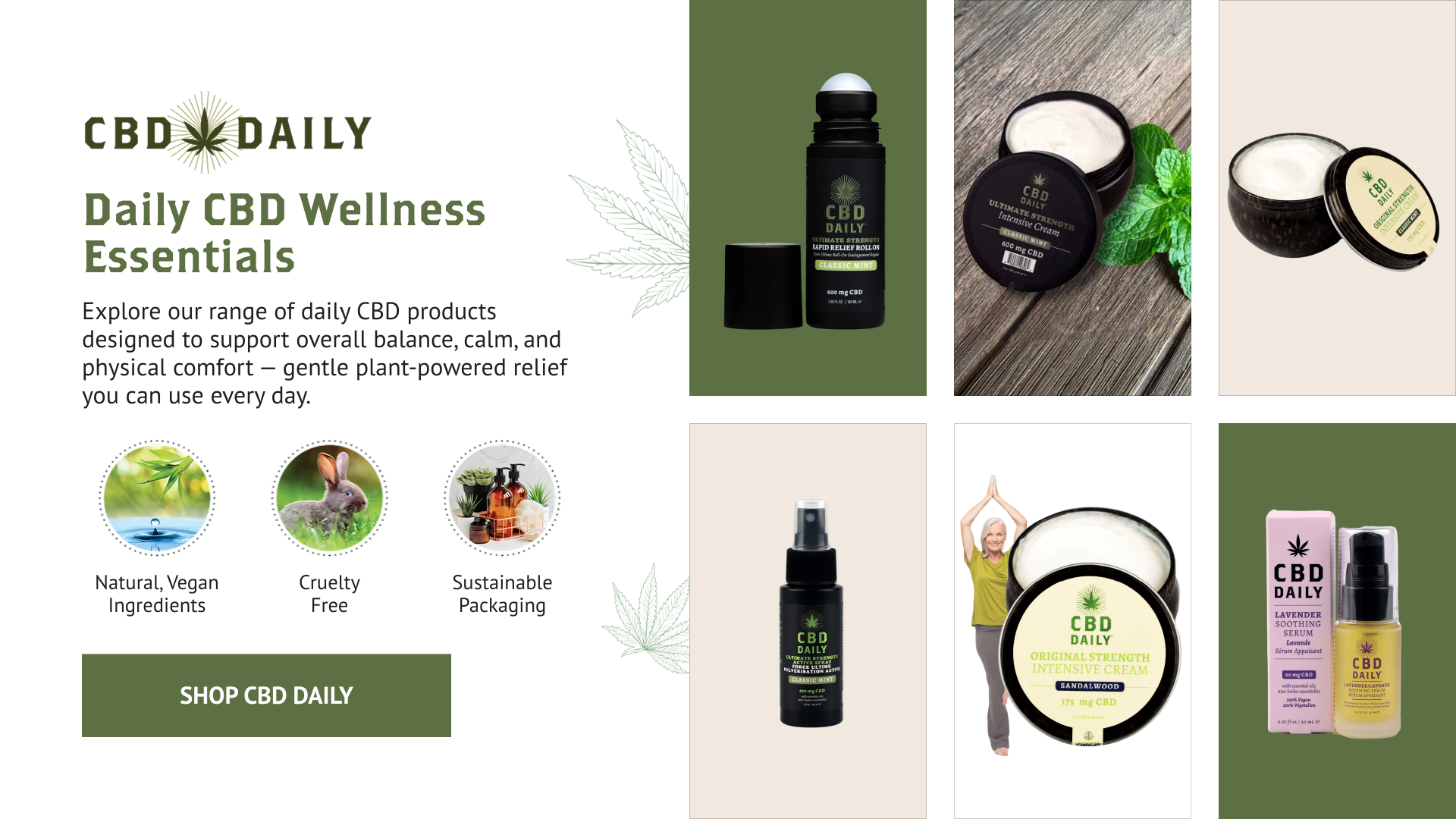
Choosing between hemp oil vs. cannabidiol depends on what you’re looking for. To start, hemp seed oil is a versatile everyday ingredient. It shows up in body lotions, hair care, and cooking oils because of its light texture and skin-friendly fatty acid profile. CBD oil, on the other hand, is specifically formulated to deliver cannabidiol, making it the relevant choice for those looking into hemp-derived wellness topicals or ingestibles. If you’re just getting started, our guide on What CBD Beginners Should Start With can help you browse your options.
Final Thoughts
Recognizing the difference between hemp oil vs. CBD oil makes it easier to choose the product that fits your needs. Hemp seed oil is valued for its nourishing properties, while CBD oil is designed to incorporate cannabidiol into your daily wellness routine. By knowing what sets them apart, you can make a more informed decision and select the option that best supports your lifestyle.
Frequently Asked Questions About Hemp Oil vs. CBD Oil
Can hemp seed oil and CBD oil be used together?
Yes, many people use both products together because they serve different purposes.
Does hemp seed oil contain cannabinoids?
Hemp seed oil usually contains little to no cannabinoids because it is made from hemp seeds.
Is CBD oil legal?
Hemp-derived CBD oil is legal in many states, but regulations vary by location.
Can hemp seed oil be used on all skin types?
Hemp seed oil is generally suitable for most skin types due to its lightweight texture.
Does CBD oil have a strong taste?
Natural CBD oil often has an earthy flavor, though flavored options are also available.
How should hemp oil and CBD oil be stored?
Store both products in a cool, dry place away from direct sunlight.
How long does CBD oil stay fresh?
Most CBD oils have a shelf life of 12 to 24 months when stored properly.
Can you cook with hemp seed oil?
Yes, hemp seed oil is best used in cold dishes like salads and smoothies.
Are there different strengths of CBD oil?
Yes, CBD oil is available in a range of strengths to suit different preferences.
What should you look for when buying CBD oil?
Choose CBD oil with transparent labeling and third-party testing for quality assurance.
Disclaimer: The information provided in this article is for educational and informational purposes only and is not intended to constitute medical advice. The statements made about products or ingredients have not been evaluated by the U.S. Food and Drug Administration. Cosmetic products are not intended to diagnose, treat, cure, or prevent any disease, and individual results may vary. Always read product labels and ingredient lists carefully, and consult a qualified healthcare professional before using any product if you have concerns, sensitivities, or medical conditions. This article does not replace professional medical advice, diagnosis, or treatment.